

Medication safety for chronic conditions involves preventing harm through systematic management. Learn critical strategies for long-term use including polypharmacy control, monitoring protocols, and tech tools to reduce preventable risks.
Read More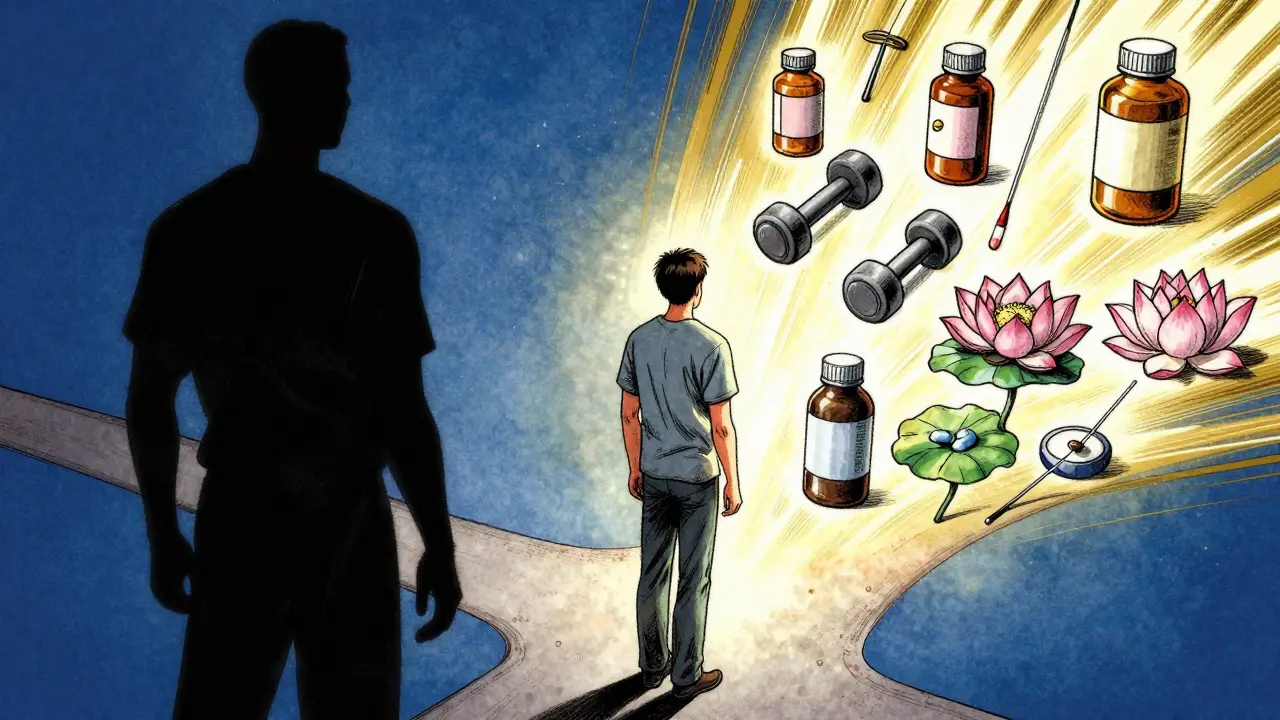
Discover safe, effective pain management strategies that move beyond opioids. Learn how combining medications like suzetrigine with physical therapy creates lasting relief without addiction risks.
Read More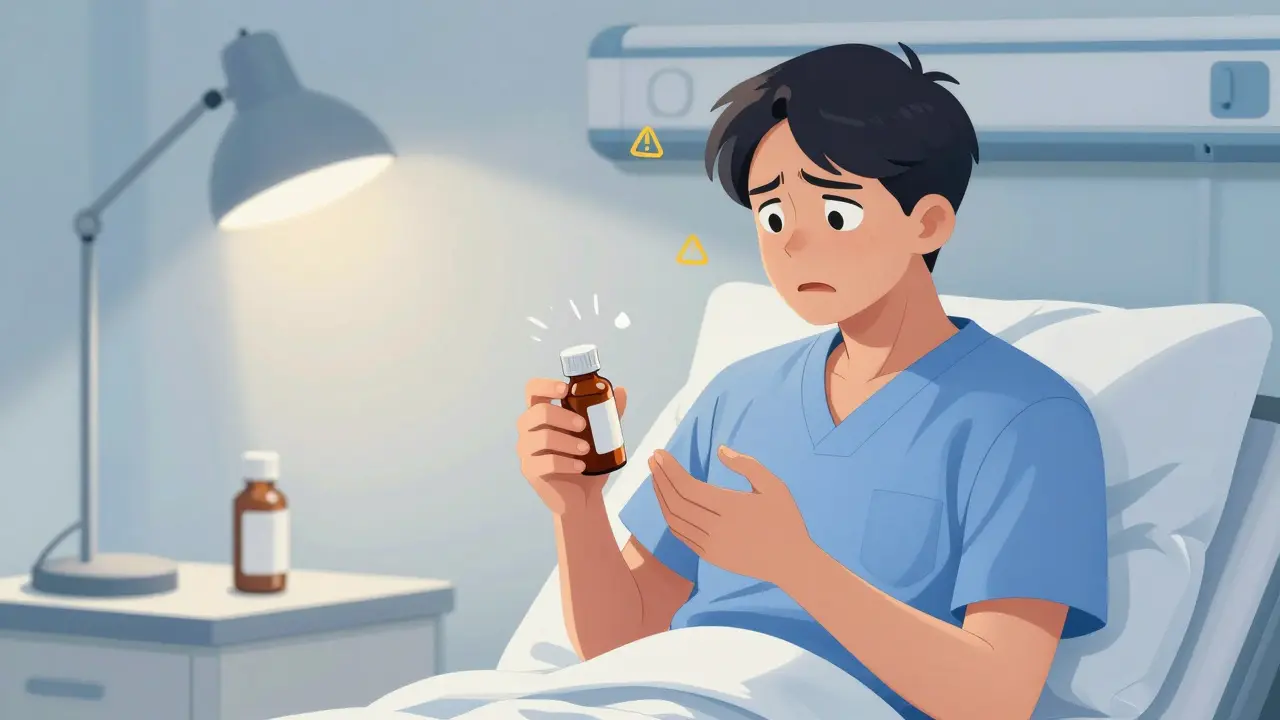
Learn how to report suspected drug reactions through FDA's MedWatch system, including step-by-step online filing, essential information needed, and why your report matters for public safety.
Read More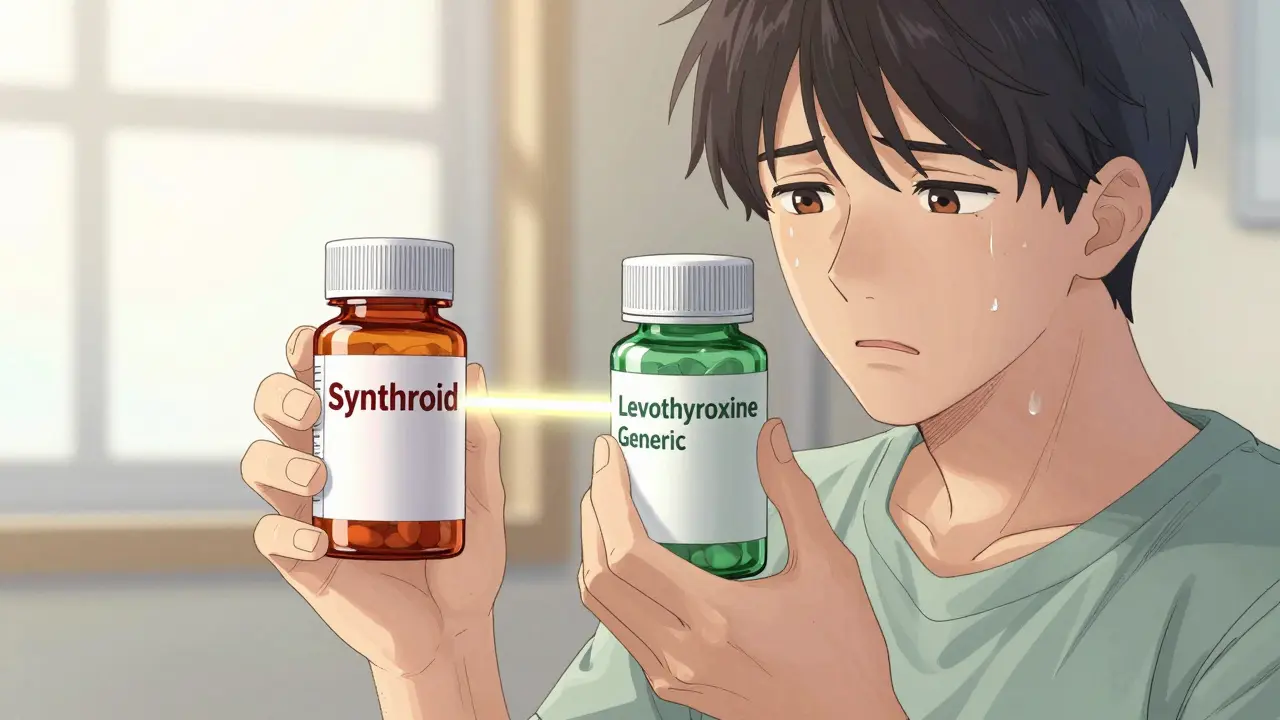
NTI drugs have a narrow window between effectiveness and danger. While generics save money, switching can carry risks. Learn when to stick with brand-name drugs and when generics are safe.
Read More
Generic drug quality issues stem from manufacturing flaws in overseas plants, leading to unsafe or ineffective medications. Learn how cGMP violations, poor inspections, and cost-cutting put patient safety at risk - and what you can do about it.
Read More
Therapeutic drug monitoring helps ensure generic HIV medications work as intended by measuring blood drug levels. It's essential for protease inhibitors and NNRTIs, but not for NRTIs. Used wisely, it prevents treatment failure and resistance.
Read More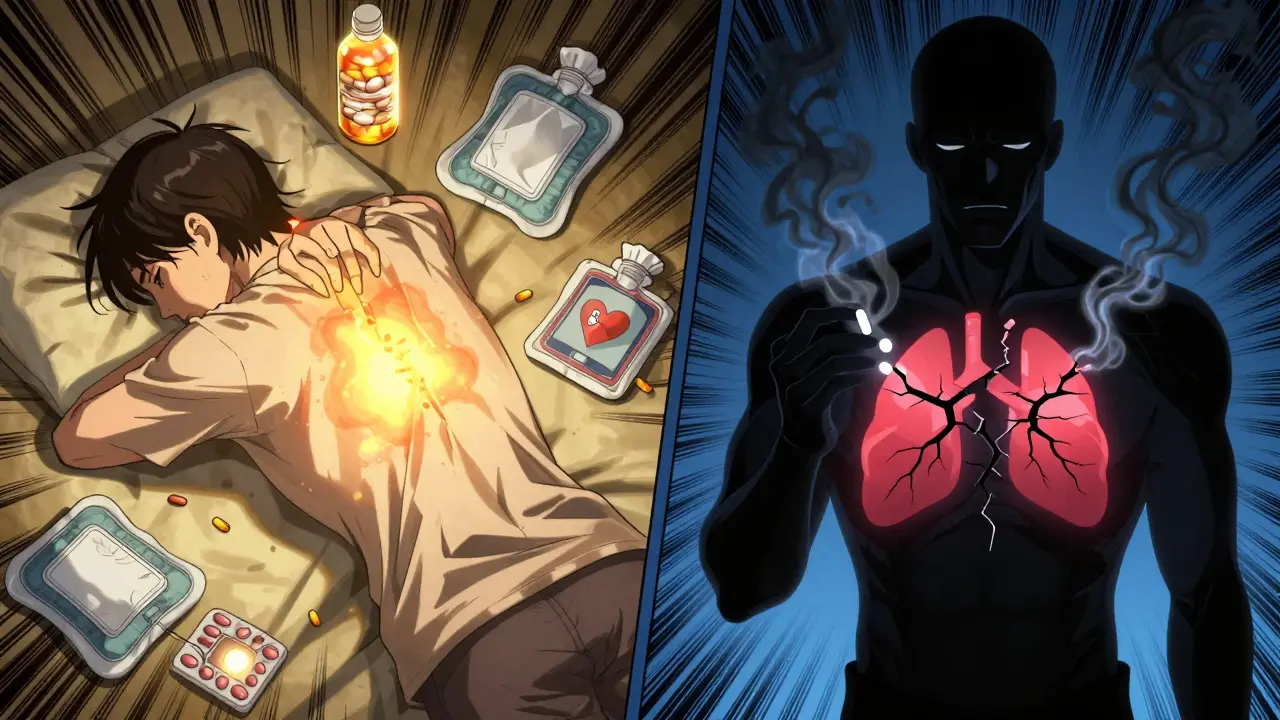
Opioids aren't the safest or most effective choice for most chronic pain. Evidence shows non-opioid options like NSAIDs and acetaminophen work just as well - with far fewer risks. Learn what the latest guidelines say and how to manage pain safely.
Read More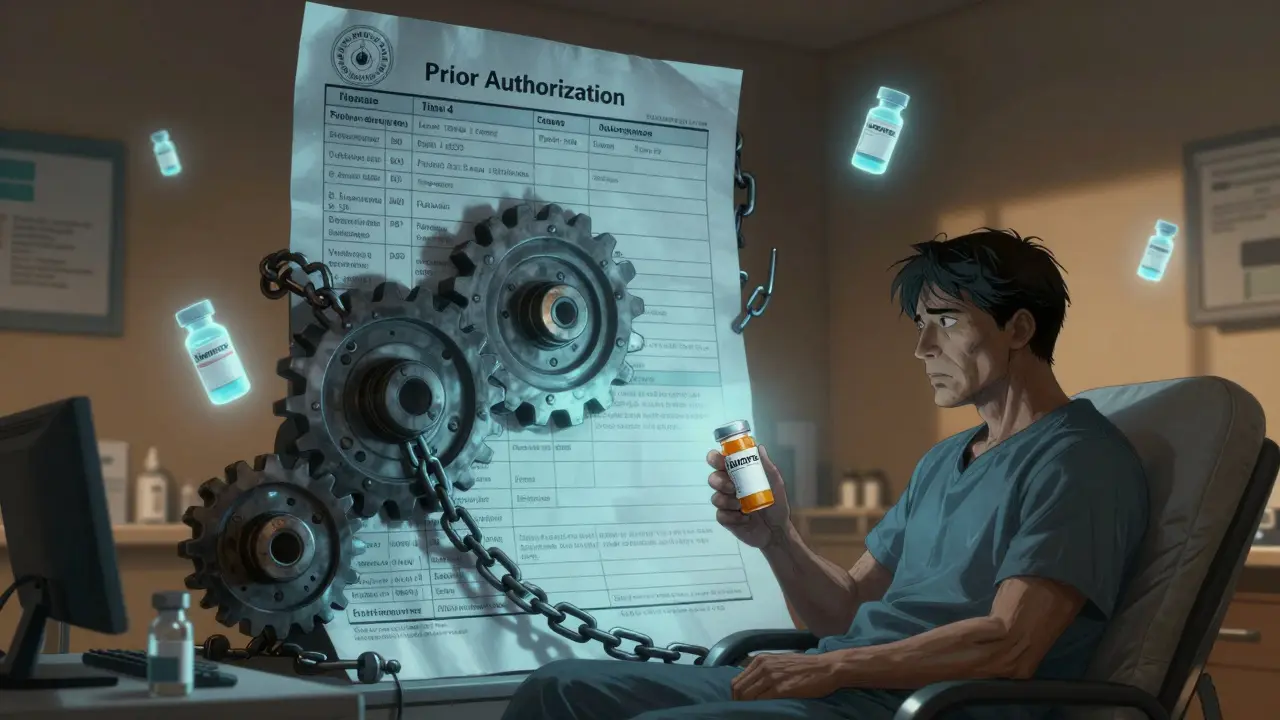
Biosimilars offer major cost savings over brand-name biologics, but insurance rules like tier placement and prior authorization often block access. Learn how coverage gaps persist despite FDA approvals and what’s changing in 2025.
Read More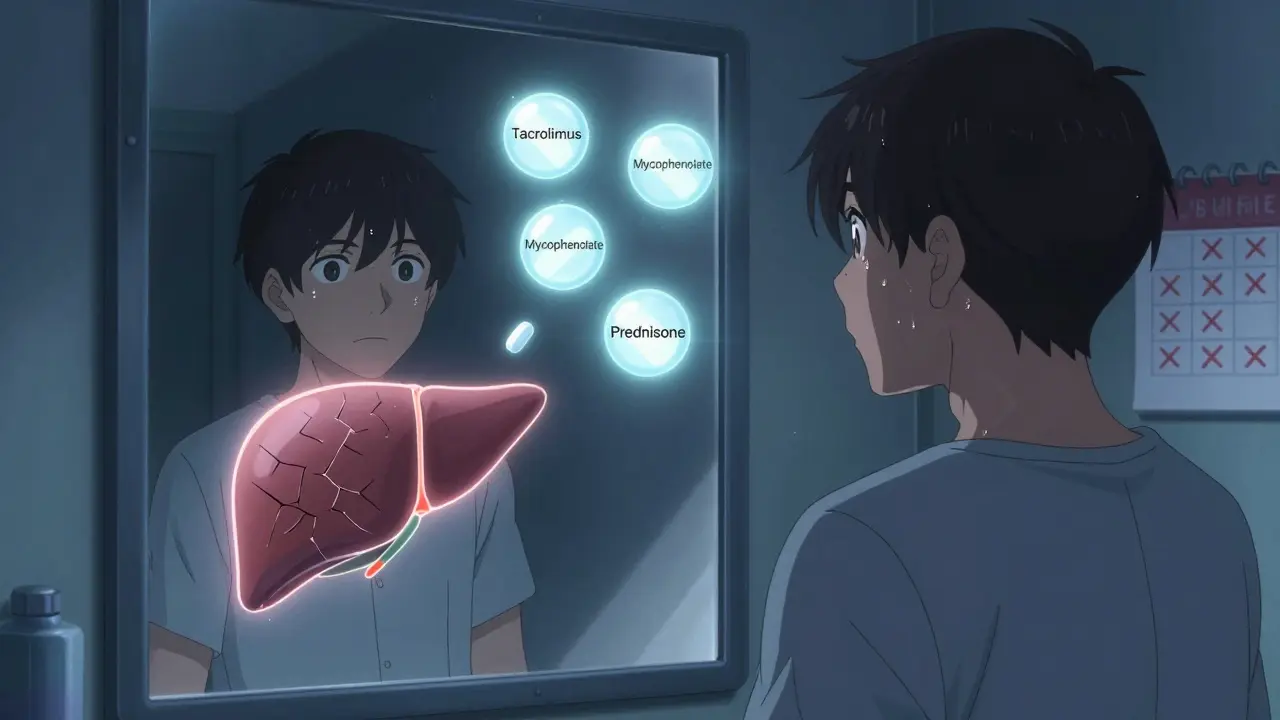
After a liver transplant, sticking to your medication is the difference between thriving and losing your new organ. Learn the real signs of rejection, why missing pills is dangerous, and how to build a system that actually works.
Read More