
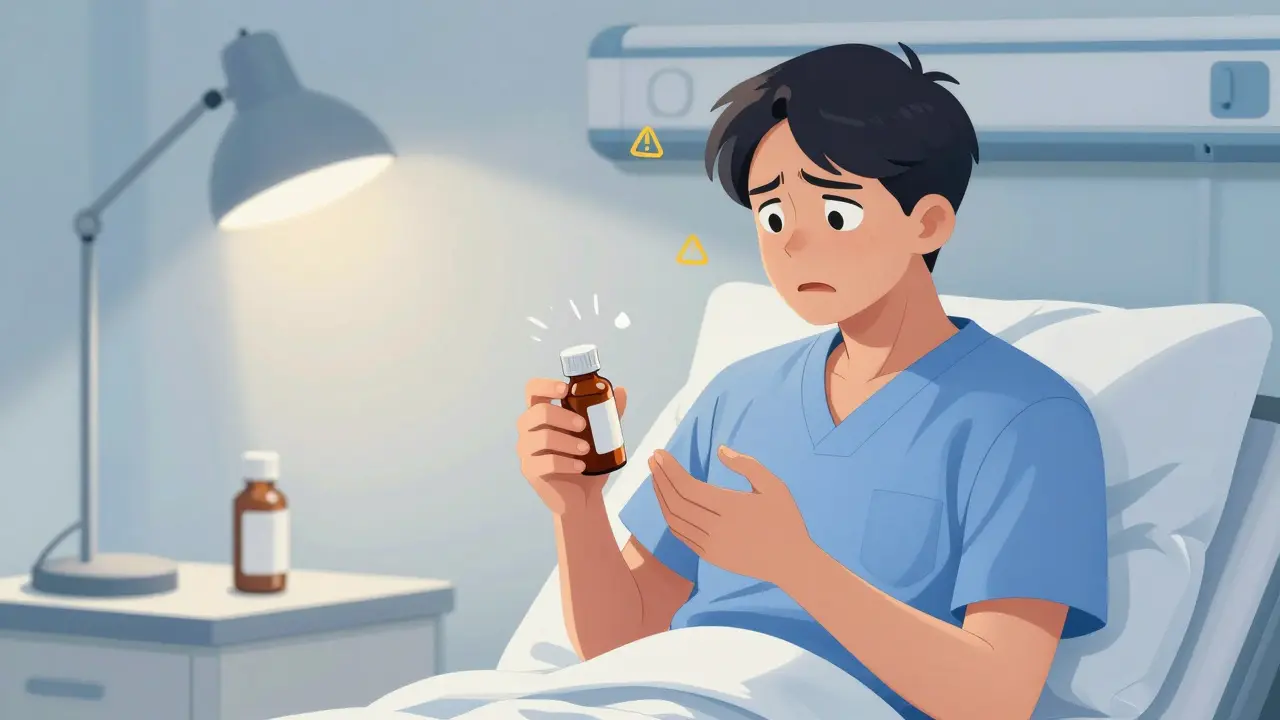
Understanding Adverse Drug Reactions
When a medication causes unexpected harm, reporting it helps protect public health. An adverse drug reaction (ADR) includes any harmful effect from a drug at normal doses-like allergic reactions, organ damage, or severe side effects not listed on labels. These reports feed into the
.Patient Info Age, sex, weight Drug Details Name, dose, duration Event Description Onset date, severity, outcome
Why Your Report Matters
The FDA Adverse Event Reporting System processes over 2 million cases yearly, catching risks missed during clinical trials. For example, a nurse’s 2022 report of dangerous low blood sugar triggered a diabetes drug label update within weeks. Without citizen reports, only 6% of actual adverse events get documented, leaving hidden dangers unaddressed.
Reporting Methods Compared
You have three main options:
| Method | Pros | Cons |
|---|---|---|
| Online (Form 3500) | Instant submission, auto-save | No paper trail |
| Phone (1-800-FDA-1088) | Immediate guidance | 8-minute wait times |
| Mailed Form | Physical record | 2-4 week processing |

Step-by-Step Guide: Online Reporting
- Visit MedWatch portal
- Select "Form 3500" for consumers/hCPs
- Fill patient demographics (minimum: age + sex)
- Describe the event clearly: "Patient developed liver enzyme spikes after 7 days of taking Drug X"
- Attach medical records if available
Pro tip: Use MedDRA terminology dropdowns in the form for accurate coding. Most pharmacists finish this in 22 minutes.
What If You're Unsure?
Hesitant about reporting? Remember:
✓ Do I need proof of causality?
No-just reasonable suspicion
✓ Anonymous reporting allowed (but provide contact info for follow-up)
✓ Reports take priority based on severity level

Common Pitfalls to Avoid
- Mixing up brand/generic names (e.g., Tylenol vs acetaminophen)
- Omitting concurrent medications that may interact
- Skipping hospitalization dates when applicable
- Forgetting reporter contact info (required for follow-up)
Who Must Report Legally?
Manufacturers have stricter rules than individuals. Healthcare providers don’t face mandatory reporting unless they run registries, but submitting voluntarily boosts system accuracy. Meanwhile, companies must file electronically via Safety Reporting Portal within 15 days for serious events.
Support Resources
Stuck mid-form? Call MedWatch Hotline (average 8-minute wait) or email pharmacovigilance team. Monthly webinars (90-minutes) offer free training-check the training calendar for next session.
Can I report anonymously?
Yes, but providing contact details enables crucial follow-up investigations.
How long does processing take?
Serious events trigger 15-day expedited review; non-serious ones enter regular monthly batches.
What qualifies as a "serious" reaction?
Hospitalization, life-threatening outcomes, permanent disability, congenital anomalies, death, or interventions preventing lasting impairment.
Do I need medical records?
While helpful for context, verbal descriptions suffice if documents aren't immediately accessible.
Is reporting confidential?
Absolutely. The FDA protects reporter identities except during official safety investigations.
Tony Yorke
March 28, 2026 AT 03:24Submitting reports online saves a ton of time compared to phone calls.
Monique Ball
March 29, 2026 AT 08:47I think everyone really needs to understand how vital this system actually is! When you report something bad you save lives. It is so important that we stay involved. Many people do not know the process well! I always tell my friends to track everything carefully. Writing down dates helps the investigators immensely. You never know when your small note becomes huge data! Please try your best to include every detail possible. Even minor symptoms can show patterns later on. Doctors might miss things that patients notice quickly. So speaking up creates a better healthcare environment overall! We all benefit from accurate records being kept up to date. Just remember that privacy is protected by federal law! Do not let fear stop you from sharing the truth today! Together we can make the medicine supply much safer!
Rohan Kumar
March 30, 2026 AT 07:08Sure and then they read teh report and do nothing anyway 😂🙄 Just another box to tick for big pharma.
Sabrina Herciu
March 30, 2026 AT 11:58Accuracy in reporting is absolutely crucial for the database to function correctly! The data points collected help identify trends that would otherwise remain invisible to researchers. Medical professionals rely heavily on these submissions during review cycles! Every single detail contributes to the larger picture of drug safety monitoring!
gina macabuhay
March 31, 2026 AT 14:30You clearly have no idea how critical oversight is in this field! People who slack on reports endanger entire communities without realizing it! It takes responsibility to document these events properly instead of ignoring them!
tyler lamarre
April 1, 2026 AT 17:53The average citizen cannot possibly grasp the nuance of MedDRA terminology required here. Most forms are filed incorrectly due to lack of medical literacy.
Poppy Jackson
April 2, 2026 AT 12:33Don't let that scare you off though. They provide guidance for everyone! Just give it a go.
Aaron Olney
April 4, 2026 AT 06:52I tried to fill teehis out last week and got stuck on the dosge fields! It is so frustrating becuse nothing works right sometimes.
Austin Oguche
April 5, 2026 AT 17:24Please consult the training webinars listed above for clarification. The support staff is quite knowledgeable regarding dosage inputs. You should feel welcome reaching out to them directly.
Debra Brigman
April 6, 2026 AT 17:01The act of witnessing harm transforms us into guardians of the collective health tapestry. We weave threads of observation into a safety net.
Jeannette Kwiatkowski Kwiatkowski
April 7, 2026 AT 04:47Lol sounds so poetic but mostly useless fluff. Real people just want results not metaphors.
Sophie Hallam
April 8, 2026 AT 21:22There is value in different perspectives regarding safety reporting.
Philip Wynkoop
April 9, 2026 AT 12:06Exactly 👍 Everyone has a part to play.
Richard Kubíček
April 11, 2026 AT 08:47In the grand scheme of things our individual actions ripple outward to protect strangers we will never meet. It is a beautiful example of civic duty in modern society.