
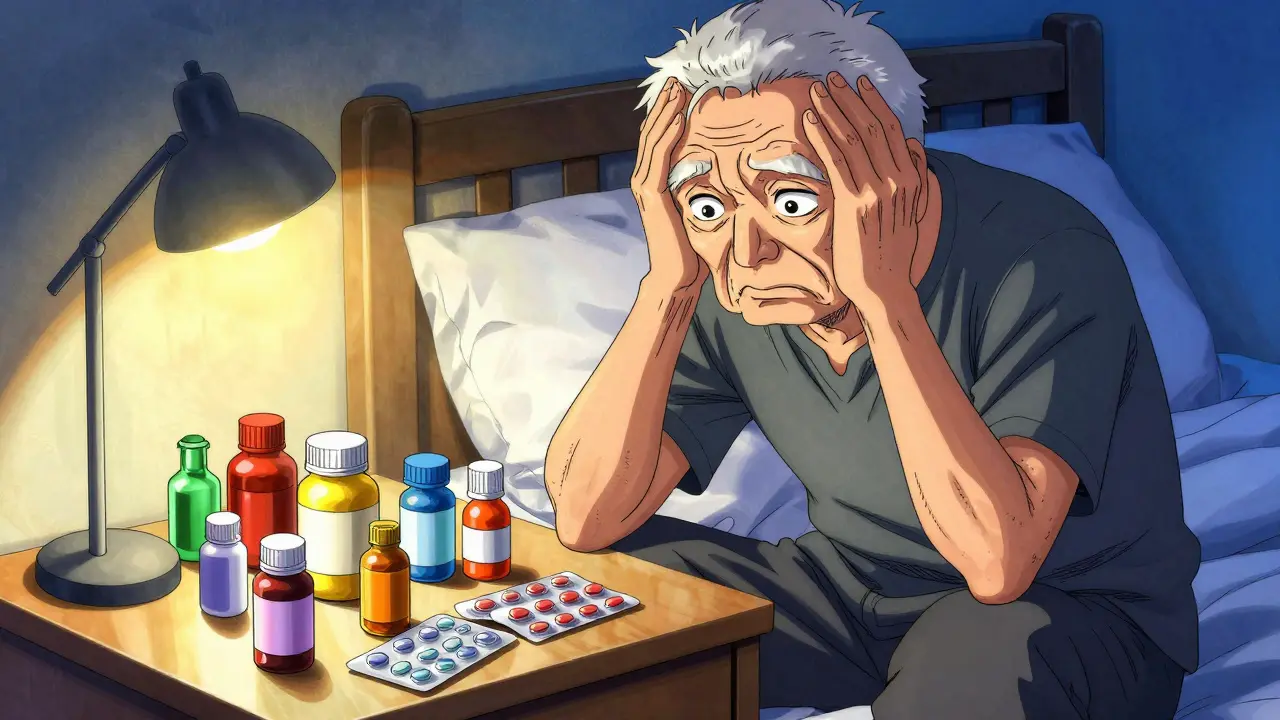
Imagine taking seven different pills every morning to manage diabetes, high blood pressure, and heart disease. Now imagine one missing dose leading to a hospital visit-or worse. For millions managing chronic conditions globally, medication safety isn't just about filling prescriptions; it's about survival.
Why Medication Safety Matters Long-Term
A 2023 study found 91% of long-term care patients take at least five daily medications-a number called Polypharmacy using five or more medications simultaneously. Without vigilance, this can spiral into dangerous interactions. Consider Mr. Jenkins, a 68-year-old who developed kidney damage after his blood thinner interacted with a new painkiller. His story isn't rare-suboptimal adherence causes 125,000 annual U.S. deaths from chronic conditions (CDC, 2017).
The World Health Organization defines Medication Safety as achieving agreed therapeutic goals while minimizing harm through patient-centered systems. This starts before your first prescription.
The Lifesaving Power of One List
Create a Medication Log written record of all medicines including supplements. Include drug names, dosages, times taken, and purpose. Update it after every doctor visit. Why? A Harvard study showed 67% of medical errors stem from incomplete history sharing between providers. Carry your log to appointments-it prevents duplicate prescriptions and missed interactions.
- Note brand/generic names separately
- Add allergies and past adverse reactions
- Track refill dates digitally using apps like Medisync
Polypharmacy: When More Becomes Dangerous
Taking five+ daily medications increases fall risk by 3x in older adults (AAFP, 2019). Not all prescribed drugs benefit everyone. During annual reviews, ask your pharmacist: "Could any of these stop improving my condition?" The American Geriatrics Society warns against prescribing without regimen reviews-especially critical when combining aspirin with anti-inflammatories like diclofenac.
| Warning Sign | Risk Level | Action |
|---|---|---|
| Sudden confusion/memory loss | High | Consult immediately |
| Dizziness upon standing | Medium-High | Monitor blood pressure |
| Recurrent nausea | Medium | Review dosing schedule |
Team-Based Care: Your Secret Weapon
Alone, you're fighting complex battles. Together, victory grows easier. Patient-Centered Medical Homes integrate pharmacists, nurses, and doctors. Their 2017 CDC trial achieved 89% adherence rates vs. 74% in standard care. Request a quarterly team meeting covering:
- Current symptoms impacting medication effectiveness
- Possible cost-reduction programs
- Updated drug interaction checks
Mindful Monitoring of Side Effects
Don't wait for emergencies. Create a symptom journal noting unusual tiredness, bruising, or appetite changes. At every renewal appointment, demand review templates showing checked side effects. Technology helps too: automated alerts flag concerning combinations like statins plus proton pump inhibitors, reducing errors by 55% in geriatric populations (PMC, 2024).

Digital Tools You Actually Need
Fancy gadgets fail most. Stick with proven basics:
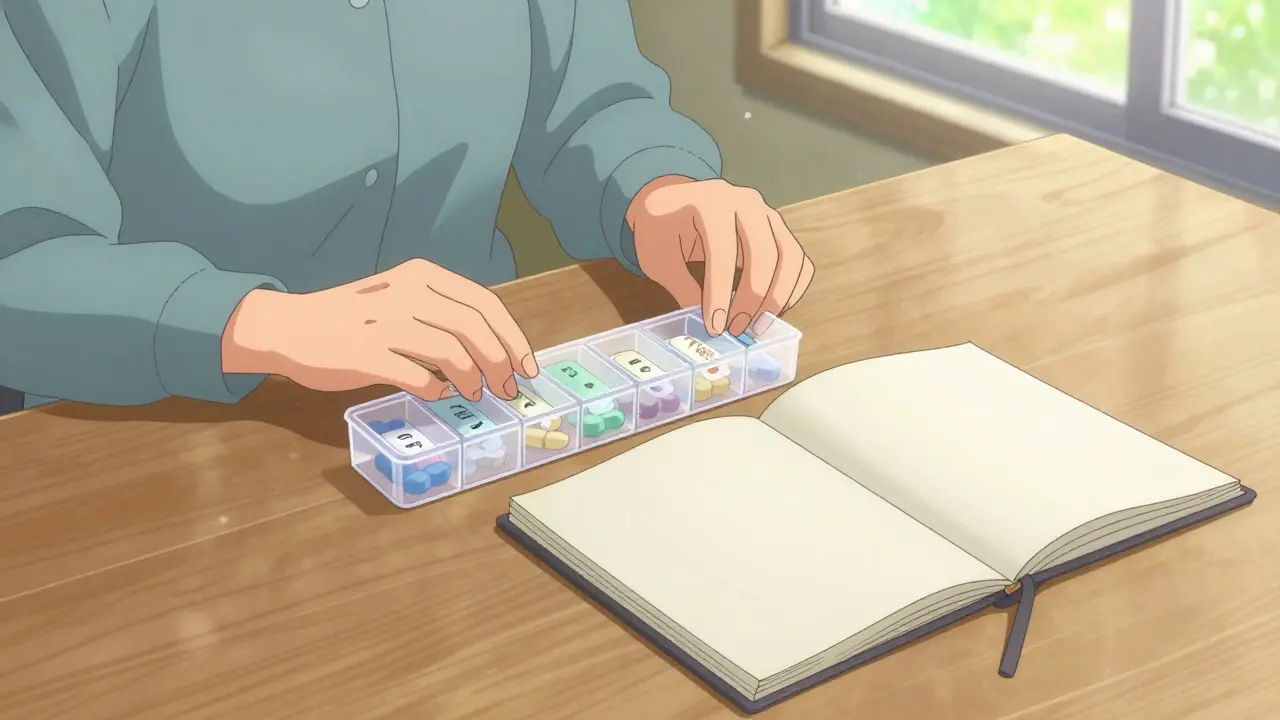
- Pill organizers with weekday compartments
- Bluetooth-enabled dispensers sending texts when doses overdue
- Electronic calendars synced to family members' phones
But beware: Apps alone aren't enough. Pair them with monthly pharmacist consultations reviewing digital logs.
Common Mistakes & Solutions
Nine out of ten adherence failures start with simple oversights:
- Stockpiling medications: Expired drugs lose potency. Destroy unused batches annually.
- Self-adjusting doses: Skipping during good days creates rebound effects.
- Ignoring travel disruptions: Temperature-sensitive insulin degrades without cooling cases.
When moving facilities, carry physical copies of medication labels-digital records get lost during transitions.


Eleanor Black
April 2, 2026 AT 17:35It is profoundly important that we acknowledge the sheer complexity involved in maintaining rigorous health protocols. Many individuals struggle with the daily discipline required for such regimens. The mental load of tracking multiple substances can be incredibly draining over time. We often forget that consistency is the true metric of survival in these scenarios. Without proper documentation, errors become far too frequent within our healthcare systems. Sharing history between providers remains a significant hurdle for many families today. We must prioritize the creation of accessible physical records alongside digital backups. Technology aids us, yet human verification prevents catastrophic failures during transitions. The responsibility lies partially with the patient, though systemic improvements are equally necessary. Regular reviews serve as the critical checkpoints that maintain safety standards effectively. Ignoring subtle side effects can lead to severe complications down the line eventually. Collaboration with pharmacists provides an extra layer of protection against harmful interactions. We should encourage open dialogue regarding the necessity of every single prescribed item annually. Reducing unnecessary medications alleviates the burden significantly for elderly patients specifically. Ultimately, vigilance is the only true safeguard against preventable harm in modern medicine. Let us move forward with a commitment to shared safety goals.
Molly O'Donnell
April 3, 2026 AT 04:31You ignore these guidelines until your life becomes the statistic you were warned about.
James DeZego
April 4, 2026 AT 08:34I have found that organizing pill bottles by color coding helps significantly when traveling abroad. :-)
Many people overlook the simple utility of having a master checklist in the car during emergencies. It creates a sense of control even when things seem chaotic outside.
Healthcare varies wildly across different borders so preparation is key for those who move frequently.
Callie Bartley
April 4, 2026 AT 09:34Easy for some to preach when their insurance covers everything perfectly without gaps. Most of us are struggling to even afford the co-pays let alone track interactions. We are tired of hearing what we should do instead of why it fails.
Christopher Beeson
April 5, 2026 AT 07:17The concept of self-maintenance is merely a societal construct masking deeper systemic failures in public health infrastructure. We are expected to police our own biology because the state refuses to intervene meaningfully. True freedom lies in understanding that medicine is always a trade-off between risk and reward.
Cullen Zelenka
April 5, 2026 AT 16:06Everyone needs to remember that progress is always possible with the right tools and mindset. Small changes today create massive benefits tomorrow for anyone willing to try. You have the power to take charge of your own well-being right now.
Sharon Munger
April 7, 2026 AT 06:35Community support groups help bridge the gap between doctors and patients daily
We share stories and tips that save lives sometimes
Cara Duncan
April 9, 2026 AT 01:21This is so true! 💖🙏 Having friends who care makes the journey much smoother for everyone involved
Keep staying strong together 🌟
Julian Soro
April 9, 2026 AT 06:59Start small by just picking up the logbook mentioned in the article today. It takes very little effort but changes outcomes drastically over months. Let's cheer each other on as we get back on track with our schedules.
Russel Sarong
April 10, 2026 AT 06:29I fully agree;;(with your points)!
It is essential;;that we maintain focus!!
The goal::is better health!!!
Stay safe;;and stay vigilant!!