

Discover how knee bracing, injections, and exercise work together to reduce osteoarthritis pain without surgery. Learn what actually works, what to avoid, and how to build a plan that lasts.
Read More
Nonalcoholic fatty liver disease is linked to gut health and diet. Learn how weight loss, fiber, probiotics, and cutting sugar can reverse liver fat and improve gut function-backed by clinical studies.
Read More
Combining tricyclic antidepressants like amitriptyline with antihistamines like Benadryl can cause dangerous anticholinergic overload, increasing risks of confusion, delirium, and dementia - especially in older adults. Learn how to spot and avoid this hidden drug interaction.
Read More
Frozen shoulder, or adhesive capsulitis, causes painful stiffness in the shoulder joint. Learn how to recognize the three stages, what mobilization techniques actually work, and how to avoid common mistakes that delay recovery.
Read More
State laws determine whether pharmacists must or can choose to give you generic drugs instead of brand names. These rules affect your costs, adherence, and safety-here’s how they vary across the U.S.
Read More
Long-term opioid use can severely disrupt hormones, leading to low testosterone, sexual dysfunction, and menstrual problems. Learn how opioids affect your body, what to do if you're affected, and safer alternatives for chronic pain.
Read More
New research shows gut bacteria play a key role in triggering autoimmune diseases like lupus and rheumatoid arthritis. Discover how microbiome imbalances drive immune attacks-and what new treatments are on the horizon.
Read More
Alcohol adds empty calories, slows fat burning, and increases hunger - making weight loss harder. Learn how to cut back smartly without quitting completely, and what drinks and strategies actually work.
Read More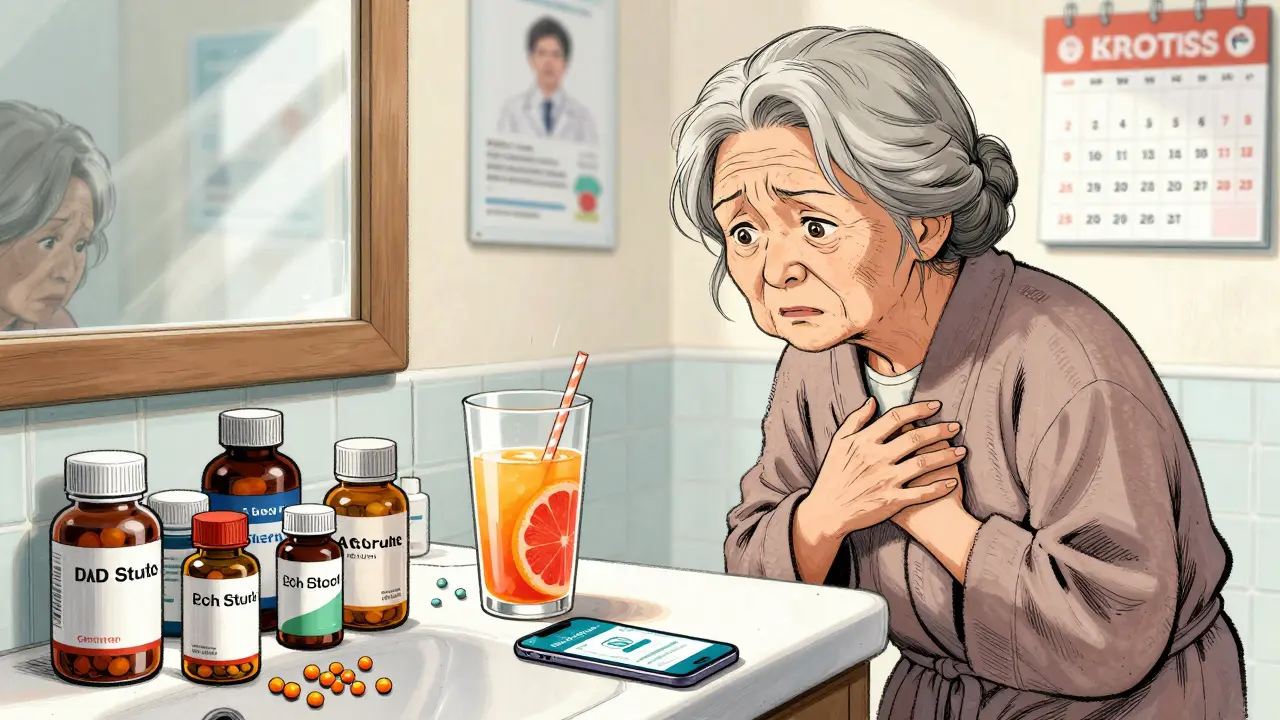
Drug interactions discovered after approval can be deadly - and they're more common than you think. Learn how post-market surveillance catches hidden risks, why clinical trials miss them, and what you can do to stay safe.
Read More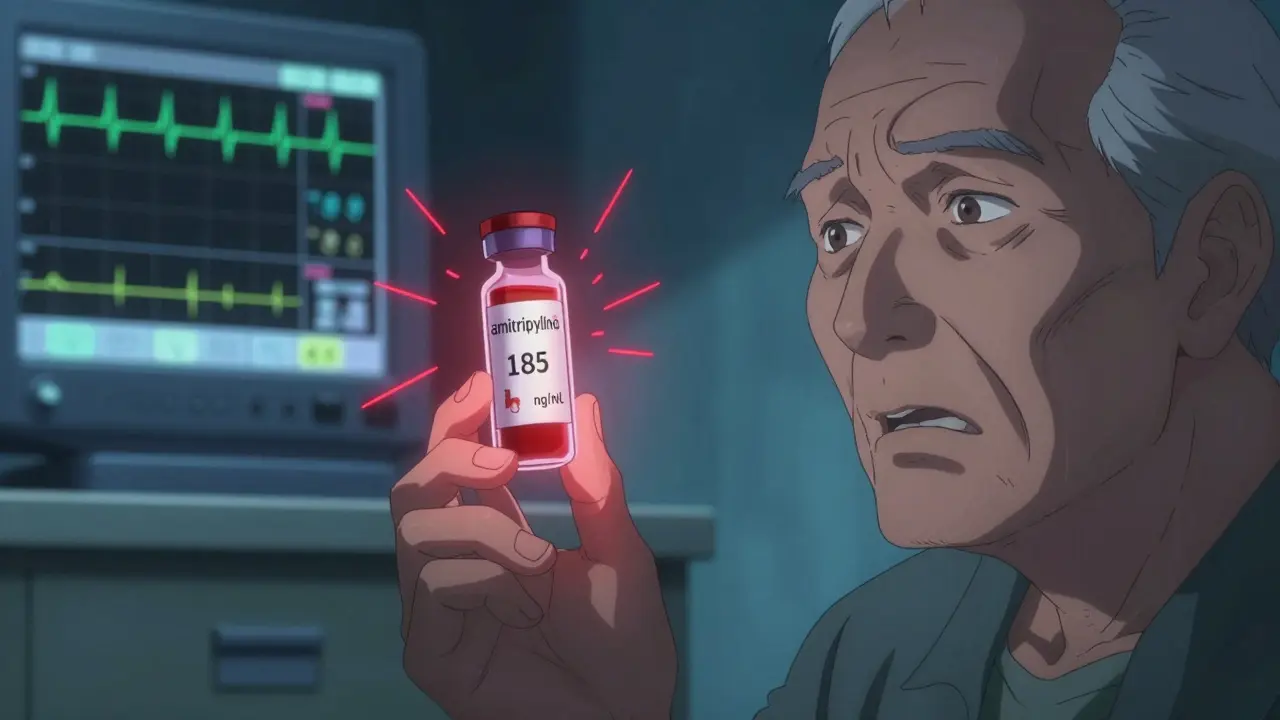
Therapeutic drug monitoring for tricyclic antidepressants prevents deadly toxicity by tracking blood levels, identifying genetic risks, and catching early signs of heart damage before it’s too late.
Read More