
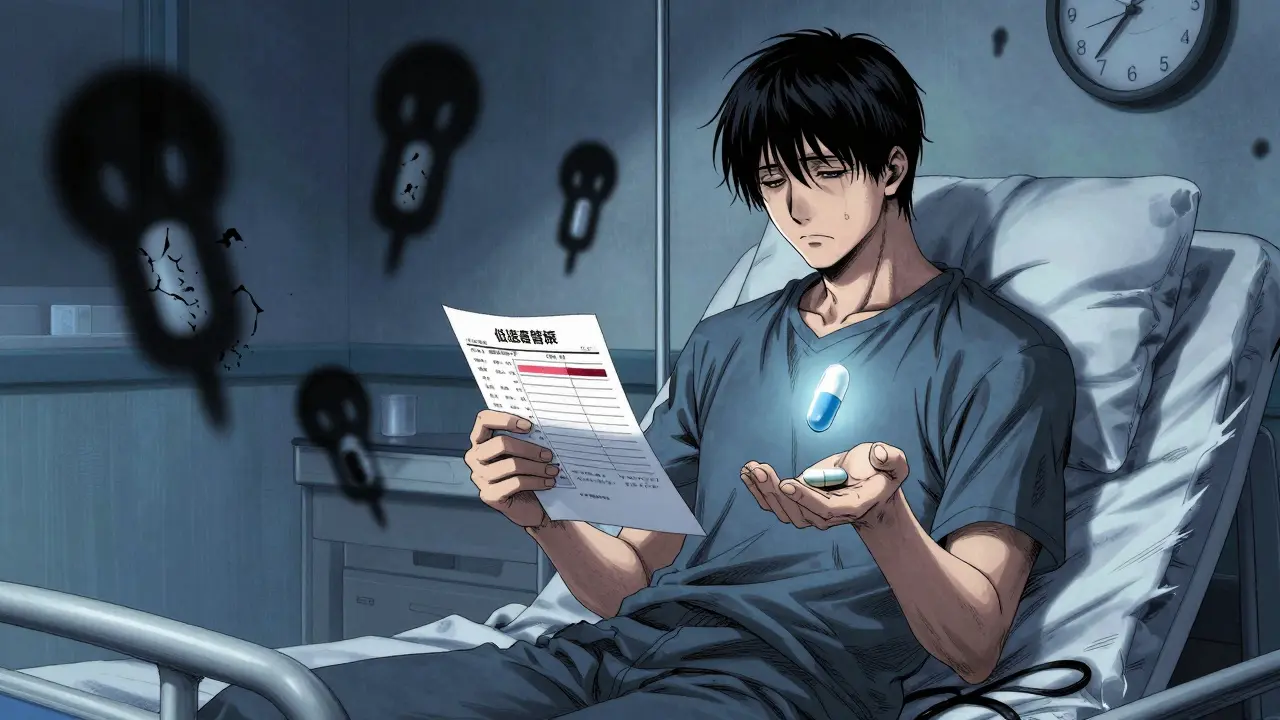
Opioid Hormone Impact Calculator
This calculator estimates the potential impact of long-term opioid use on testosterone levels based on the article's research. Results are for informational purposes only and should not replace professional medical advice.
Results
Your estimated testosterone impact
When you’re on opioids for chronic pain, the goal is simple: reduce the hurt. But what most people don’t realize is that long-term use doesn’t just change how your body feels pain-it rewires your hormones. And that change hits your sex life, energy, mood, and even your sense of self in ways doctors often miss.
What Happens to Your Hormones on Long-Term Opioids?
Opioids like oxycodone, hydrocodone, and fentanyl don’t just block pain signals. They also sneak into your brain’s control center for hormones-the hypothalamus. This tiny area tells your pituitary gland when to release signals that tell your testes or ovaries to make testosterone or estrogen. Opioids shut that down.
Within just 30 days of starting daily opioid therapy, testosterone levels in men can drop by 30-50%. After six months, about 63% of men on chronic opioids develop biochemical hypogonadism-meaning their bodies aren’t making enough testosterone. This isn’t rare. It’s standard. A 2020 meta-analysis in the Journal of Clinical Endocrinology and Metabolism found this pattern across hundreds of patients.
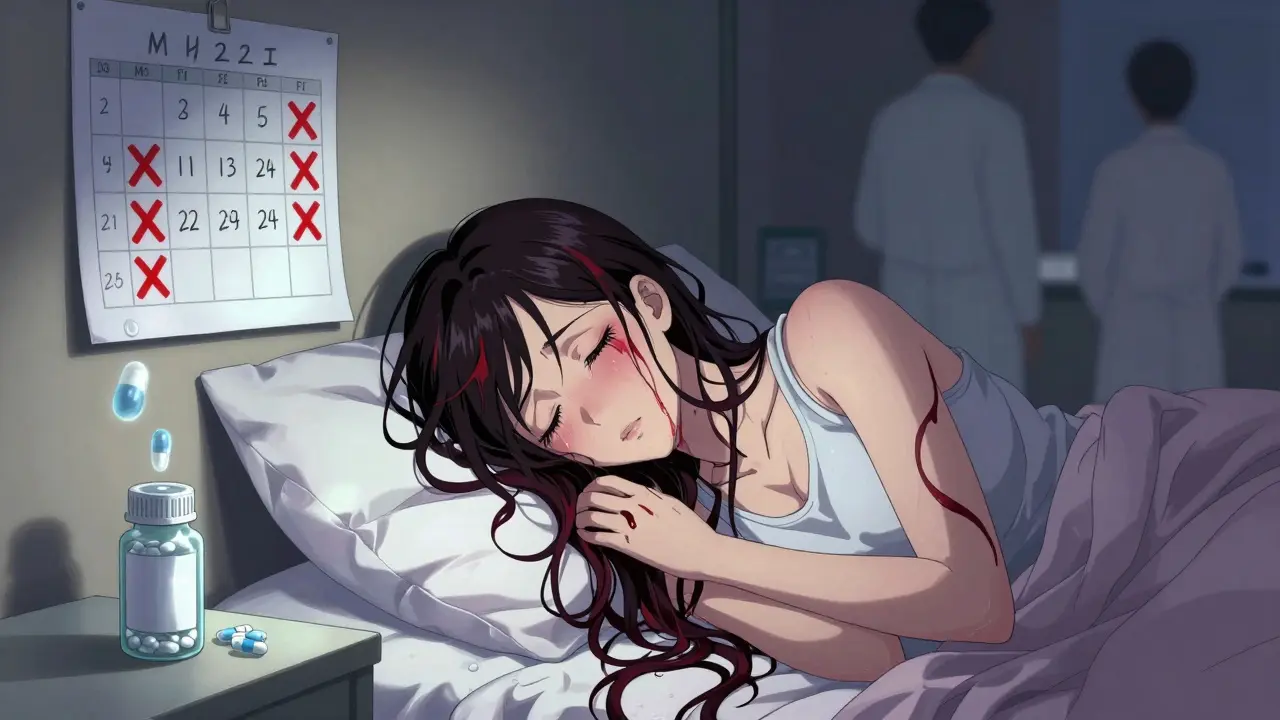
Women aren’t spared. Their estrogen levels often stay normal, but testosterone drops. That’s a big deal because even small amounts of testosterone help drive libido, energy, and muscle tone in women. About 87% of premenopausal women on long-term opioids develop menstrual problems-some stop getting periods entirely, others get wildly irregular cycles.
It’s not just sex hormones. Opioids also suppress cortisol, your body’s main stress hormone. Low cortisol can mean fatigue, low blood pressure, and trouble handling even minor stress. These aren’t side effects you can ignore-they’re biological changes that stick around as long as you’re on the drug.
How This Shows Up in Your Sex Life
If you’ve noticed your sex drive has vanished, or you’re struggling to get or keep an erection, it might not be stress, aging, or depression. It might be your opioids.
For men, low testosterone means:
- Loss of libido (sex drive)
- Erectile dysfunction
- Reduced sperm count
- Decreased muscle mass and increased body fat
On Reddit’s r/ChronicPain, one user wrote: “After two years on oxycodone, my testosterone was 180 ng/dL. My doctor didn’t test it until I brought it up. Took six months to get treatment.” That’s not unusual. Many patients say their doctors dismiss these symptoms as “just part of chronic pain.”
For women, the effects are just as real:
- Drastic drop in sexual desire
- Difficulty becoming aroused
- Less pleasure during sex
- Increased depression and emotional numbness
A 2021 survey of 342 women with chronic pain found that 78% reported lower libido, and 41% said their mood got worse on opioids. Many said they felt ashamed to bring it up-until they found out others were experiencing the same thing.
Why Doctors Often Miss This
The Endocrine Society has said since 2019: “Failure to screen for opioid-induced hypogonadism is substandard care.” But here’s the problem-only 38% of primary care doctors routinely check hormone levels in patients on long-term opioids, according to a 2023 JAMA Internal Medicine study.
Why? Three reasons:
- Doctors are focused on pain control, not side effects.
- They don’t know the guidelines.
- They’re uncomfortable talking about sex.
Dr. Bolash from Cleveland Clinic says bluntly: “Physicians must take the lead in asking about potentially taboo topics.” If you’re on opioids for more than 90 days, your doctor should be asking-not waiting for you to bring it up.
And it’s not just about sex. Low testosterone is linked to bone loss, muscle wasting, and even higher risk of heart disease. Ignoring it isn’t just awkward-it’s dangerous.
How Opioids Compare to Other Pain Treatments
Not all pain meds wreck your hormones. Opioids are the worst offenders.
Compare this:
| Treatment | Testosterone Drop in Men | Menstrual Issues in Women | Sexual Dysfunction Rate |
|---|---|---|---|
| Opioids (chronic use) | 63% | 87% | 60-80% |
| Gabapentinoids (e.g., pregabalin) | 12% | Minimal | 15-20% |
| NSAIDs (e.g., ibuprofen) | Minimal | Minimal | 5-15% |
| Cognitive Behavioral Therapy | No effect | No effect | No effect |
For non-cancer chronic pain-like back pain, arthritis, or fibromyalgia-the American Pain Society recommends avoiding opioids as a first-line treatment. Why? Because non-opioid options like physical therapy, acupuncture, and CBT work better over time and don’t wreck your hormones.
Even better: some new treatments are coming. In 2023, the FDA approved Belbuca (buprenorphine buccal film), which causes 40% less hormonal disruption than traditional opioids in early trials. It’s not a cure, but it’s a step in the right direction.
What You Can Do If You’re on Long-Term Opioids
If you’ve been on opioids for more than three months and you’re noticing changes in your sex life, energy, or mood, here’s what to do:
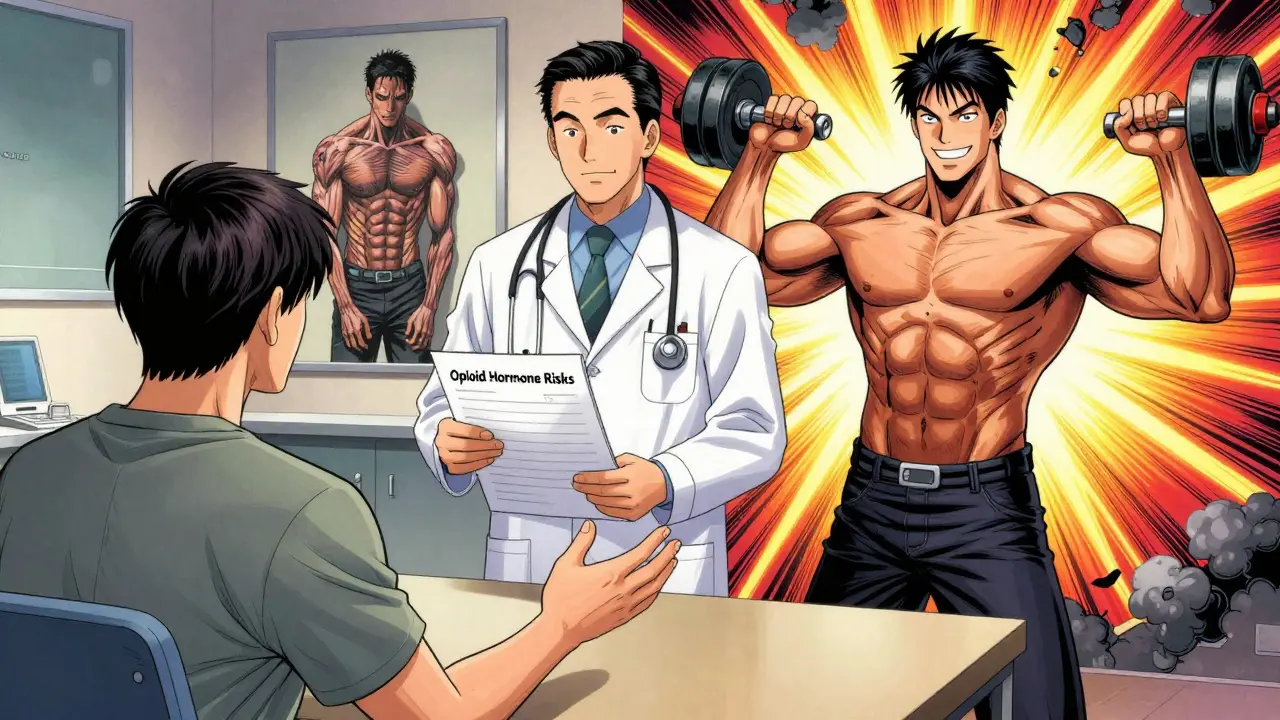
- Ask for a testosterone blood test. Total testosterone below 300 ng/dL in men is considered low. Get it done before you start, and again every 6 months.
- Track your menstrual cycle. If you’re a woman and your period stops or becomes irregular, tell your doctor. This isn’t normal aging.
- Ask about alternatives. Can you try physical therapy, nerve blocks, or non-opioid meds like duloxetine? Many people find they can reduce or stop opioids with the right support.
- Consider hormone replacement. For men, testosterone replacement therapy (TRT) improves libido, energy, and mood in 70-85% of cases. For women, off-label testosterone patches (1-2 mg daily) have helped some with low desire-though research is still limited.
- Don’t quit cold turkey. Withdrawal can be brutal. If you want to reduce or stop opioids, work with a pain specialist. Unsupervised tapering leads to relapse in 73% of cases within 90 days.
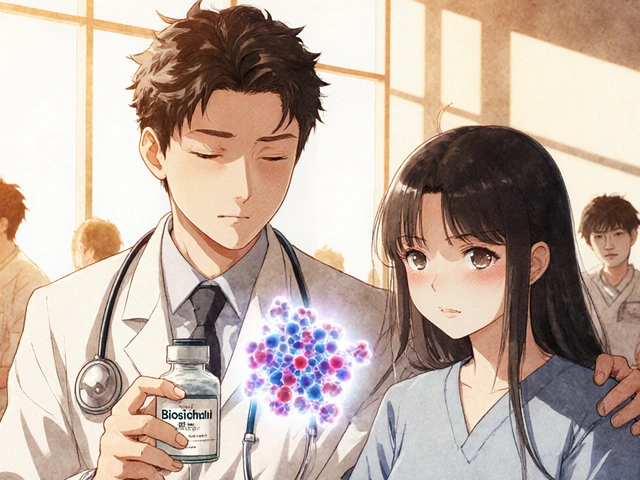
One patient at Cleveland Clinic said: “I was on 80 mg of oxycodone a day. My doctor finally tested my testosterone-it was 120. We cut the dose in half, added TRT, and I got my sex life back. I wish I’d known this sooner.”
The Bigger Picture: Why This Matters
This isn’t just about sex. It’s about quality of life. Chronic pain patients already deal with isolation, depression, and loss of independence. Adding sexual dysfunction, fatigue, and low self-esteem makes it worse.
The opioid crisis didn’t start with addiction-it started with overprescribing. And now, we’re seeing the hidden costs: people who survive their pain but lose their vitality.
But change is coming. The NIH spent $15.7 million in 2024 on research into non-opioid pain solutions and hormone protection. The market for non-opioid pain treatments is growing at nearly 9% a year. More doctors are learning. More patients are speaking up.
The goal isn’t to scare you off opioids if you need them-for cancer pain, severe trauma, or end-of-life care, they’re still vital. But for most chronic pain? There are better, safer paths. And your hormones deserve protection, not neglect.
Final Thought
If you’re on long-term opioids and you’ve noticed your sex drive is gone, your energy is low, or your body just doesn’t feel like yours anymore-you’re not imagining it. This is real. It’s common. And it’s treatable.
Don’t wait for your doctor to bring it up. Ask for a blood test. Ask about alternatives. Ask for help. Your body didn’t stop working because you have pain. It’s working exactly as the drugs told it to. And that’s something you can change.
Can long-term opioid use cause permanent hormone damage?
In most cases, no. Testosterone and other hormone levels usually bounce back after stopping opioids, especially if you’re under medical supervision. But if low testosterone goes untreated for years, it can lead to bone loss, muscle wasting, and increased heart disease risk. The sooner you address it, the better your chances of full recovery.
Do all opioids affect hormones the same way?
No. Morphine, oxycodone, and fentanyl are the worst offenders. Buprenorphine, especially in newer forms like Belbuca, causes significantly less disruption-about 40% less. The dose matters too: effects become clear at 60-120 morphine milligram equivalents (MME) per day and worsen with higher doses.
Is testosterone replacement safe for men on opioids?
Yes, when monitored. Testosterone replacement therapy (TRT) improves libido, energy, and mood in 70-85% of men with opioid-induced hypogonadism. But it’s not risk-free. It can increase red blood cell count (polycythemia) in 15-20% of users, so regular blood tests are needed. Never start TRT without a doctor’s guidance.
Why don’t doctors test hormone levels more often?
Many doctors aren’t trained in endocrine side effects of opioids. Others assume symptoms like low libido are due to depression or aging. A 2023 study found only 38% of primary care physicians routinely screen for this. The guidelines exist, but practice hasn’t caught up.
Can women get hormone therapy for low libido from opioids?
Yes, but it’s off-label and less studied. Some clinicians use low-dose testosterone patches (1-2 mg daily) for women with low desire due to opioids. Small studies show 50-60% improvement in libido. There’s no FDA-approved treatment yet, but research is growing. Always work with a specialist who understands hormonal impacts of chronic pain.
What are the best alternatives to opioids for chronic pain?
For most people, non-opioid options work better long-term. Physical therapy, cognitive behavioral therapy (CBT), acupuncture, and certain antidepressants (like duloxetine or amitriptyline) reduce pain and improve function without harming hormones. Newer treatments like nerve blocks and spinal cord stimulators also show strong results. The American Pain Society recommends these as first-line for non-cancer chronic pain.
Jay Ara
December 26, 2025 AT 17:46man i been on oxycodone for 3 years for my back and i thought it was just me being tired all the time. turns out my testosterone was half of what it should be. doc never mentioned it till i brought it up. now im on trt and my libido came back like a miracle. dont let em ignore you.
josue robert figueroa salazar
December 27, 2025 AT 17:36another victim of the medical industrial complex. they fix pain but break your soul. congrats you got your opioid fix and lost your manhood. classic.
carissa projo
December 28, 2025 AT 18:52there’s something profoundly lonely about losing your body’s natural rhythm to a pill. it’s not just about sex-it’s about feeling alive, feeling like yourself. so many of us are told to just ‘deal with it’ when what we really need is to be seen. this post isn’t just medical advice-it’s a quiet rebellion against being erased.
Michael Bond
December 29, 2025 AT 09:28my doctor tested me after i asked. testosterone was 190. we cut my dose and started TRT. 3 months later, i slept through the night for the first time in years. simple fix, ignored for too long.
Matthew Ingersoll
December 30, 2025 AT 04:04in india, we have a saying: 'the medicine that cures one wound opens another.' opioids silence pain but amplify silence in other parts of life. this is why holistic care isn’t optional-it’s essential.
Alex Ragen
December 31, 2025 AT 00:49One cannot help but observe, with a certain Aristotelian melancholy, that the modern pharmacological paradigm-so enamored with symptom suppression-has, in its hubris, neglected the telos of human flourishing. Opioids, in their chemical hegemony, reduce the organism to a mere receptor array, ignoring the phenomenological integrity of the embodied self. One wonders: when we pharmacologically domesticate desire, do we not also domesticate the soul? The data, as presented, is incontrovertible-but the ethical implications remain unexamined by the very institutions tasked with healing.
Sarah Holmes
January 1, 2026 AT 12:08It is utterly unconscionable that physicians, entrusted with the sacred duty of preserving human vitality, continue to neglect endocrine monitoring as if it were an afterthought. This is not negligence-it is malpractice disguised as protocol. The fact that 62% of men and 87% of women endure this silent erosion of their biological essence without intervention speaks to a systemic moral collapse. Shame on every clinician who fails to test. Shame on every institution that allows it.
SHAKTI BHARDWAJ
January 3, 2026 AT 08:25ok but what if u just like being a zombie? maybe u dont wanna have sex or feel anything? maybe opioids are doing exactly what theyre supposed to? why r u mad bc ur body stopped working? maybe u need to accept ur pain and stop being so entitled to your libido??
Kuldipsinh Rathod
January 3, 2026 AT 10:29bro i was in the same spot. 80mg oxycodone, no energy, no interest in my wife. doc said 'its the pain'. i pushed. got tested. t was 150. we cut dose, added TRT. now i play with my kids again. dont wait. ask. its not weak. its smart.