
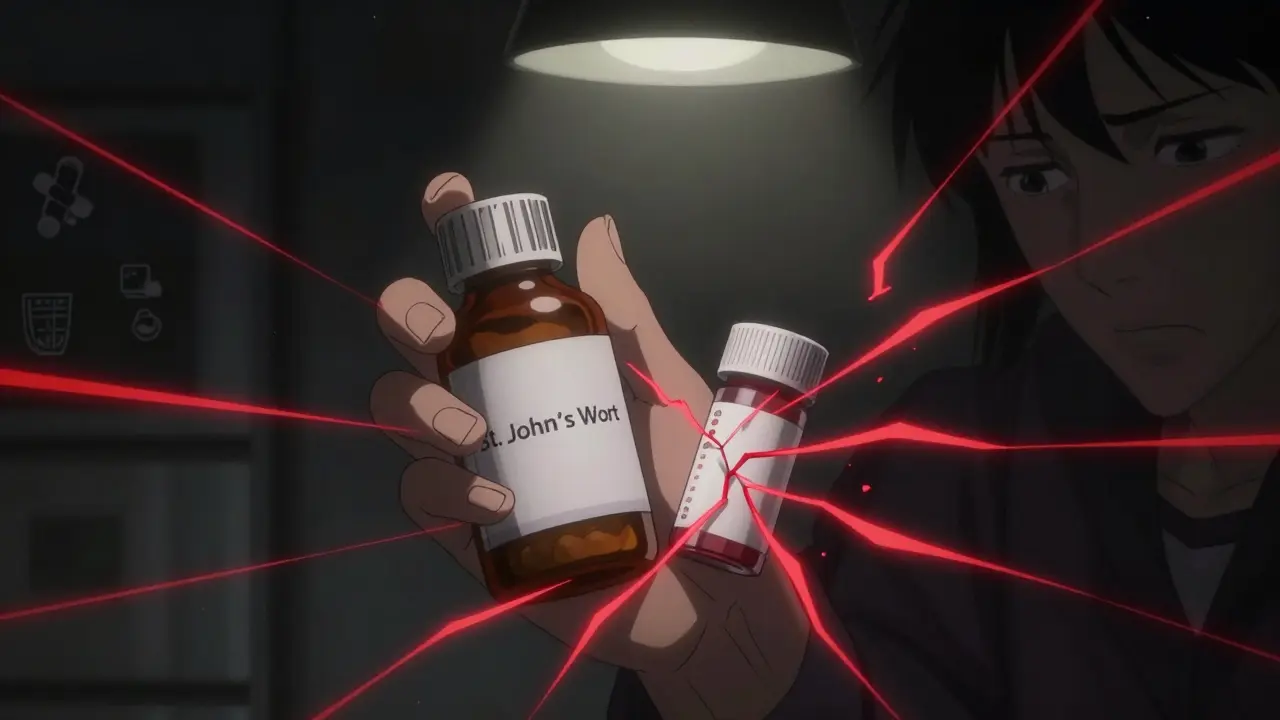
Many people assume supplements are safe because they're natural, but they carry serious risks including deadly drug interactions, organ damage, and hidden ingredients. Learn what you need to know before taking anything.
Read More
Type 2 diabetes isn't caused by sugar alone - it starts with insulin resistance and metabolic syndrome. Learn how these silent conditions develop, why they're linked to heart disease, and what actually works to reverse them.
Read More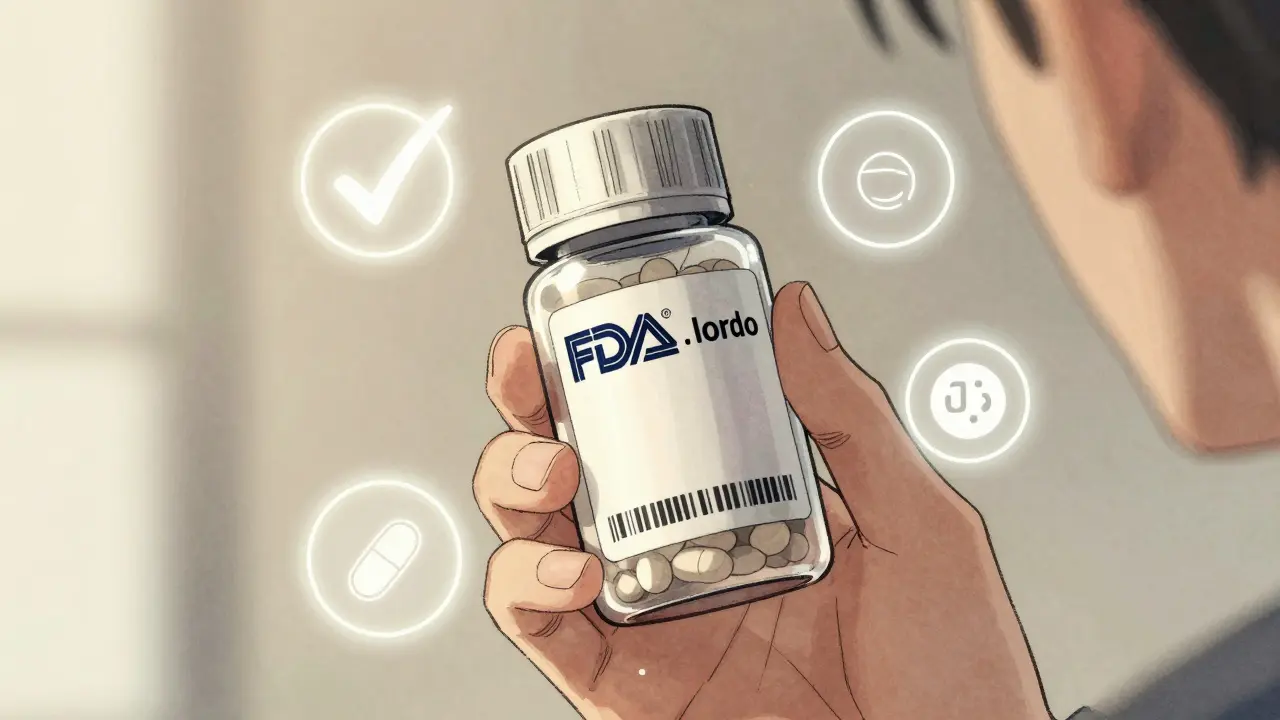
Learn how to spot a legitimate generic drug at the pharmacy by checking packaging, pill appearance, and pharmacy legitimacy. Avoid counterfeit meds with simple verification steps backed by FDA guidelines.
Read More
Generic drugs cost far less than brand-name versions because they skip expensive R&D and rely on scale, simple packaging, and strict regulatory shortcuts. Learn how manufacturing efficiency drives down prices without sacrificing safety or effectiveness.
Read More
Earwax impaction can cause hearing loss, dizziness, and ear pain - but most cases are caused by trying to clean your ears. Learn the real symptoms, safe removal methods, and why cotton swabs make it worse.
Read More
Herpes Simplex Virus (HSV-1 and HSV-2) affects billions worldwide. Learn the differences, symptoms, and how antiviral therapy reduces outbreaks and transmission. Real facts, not fear.
Read More
NSAIDs, colchicine, and steroids all treat gout flares effectively - but which one is right for you depends on your health history. Learn the real differences in safety, dosing, and when to use each.
Read More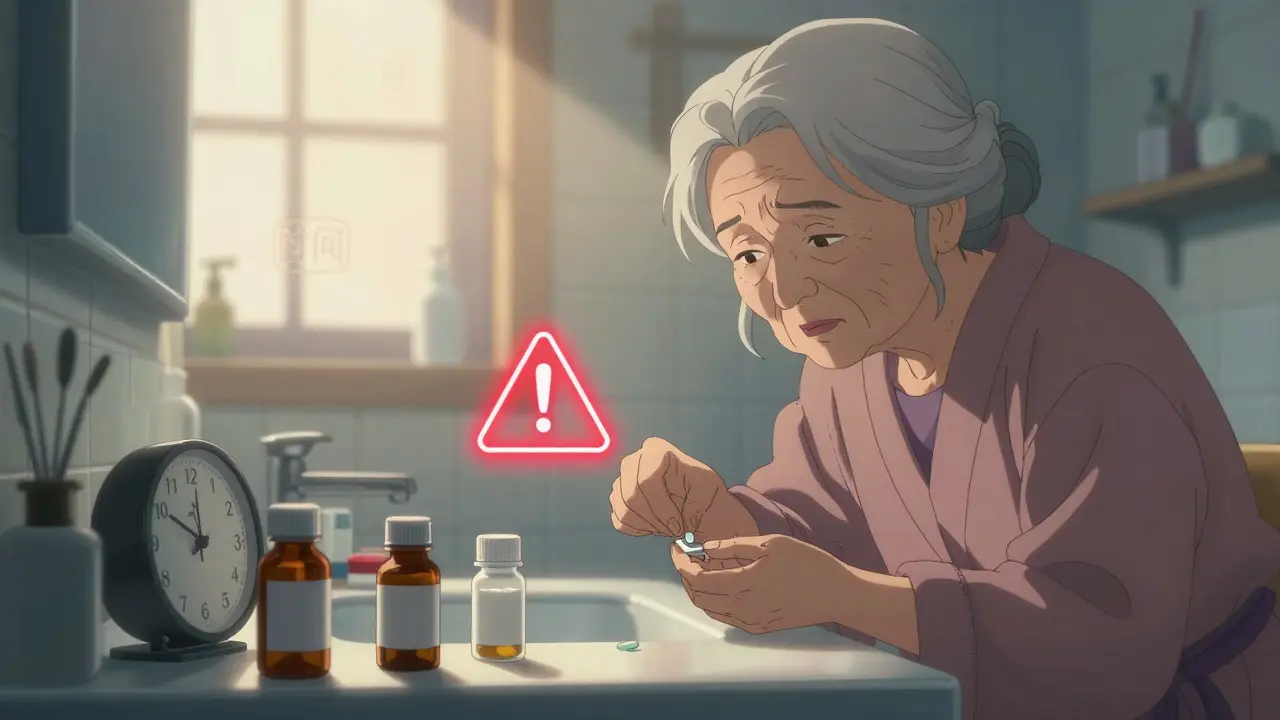
Learn how to time your medications to avoid dangerous drug interactions and side effects. Simple spacing rules can make your pills work better-and keep you out of the hospital.
Read More
Learn how to time your medications while breastfeeding to reduce your baby’s drug exposure by up to 75%. Safe options, timing rules, and expert-backed strategies for common meds like opioids, antidepressants, and painkillers.
Read More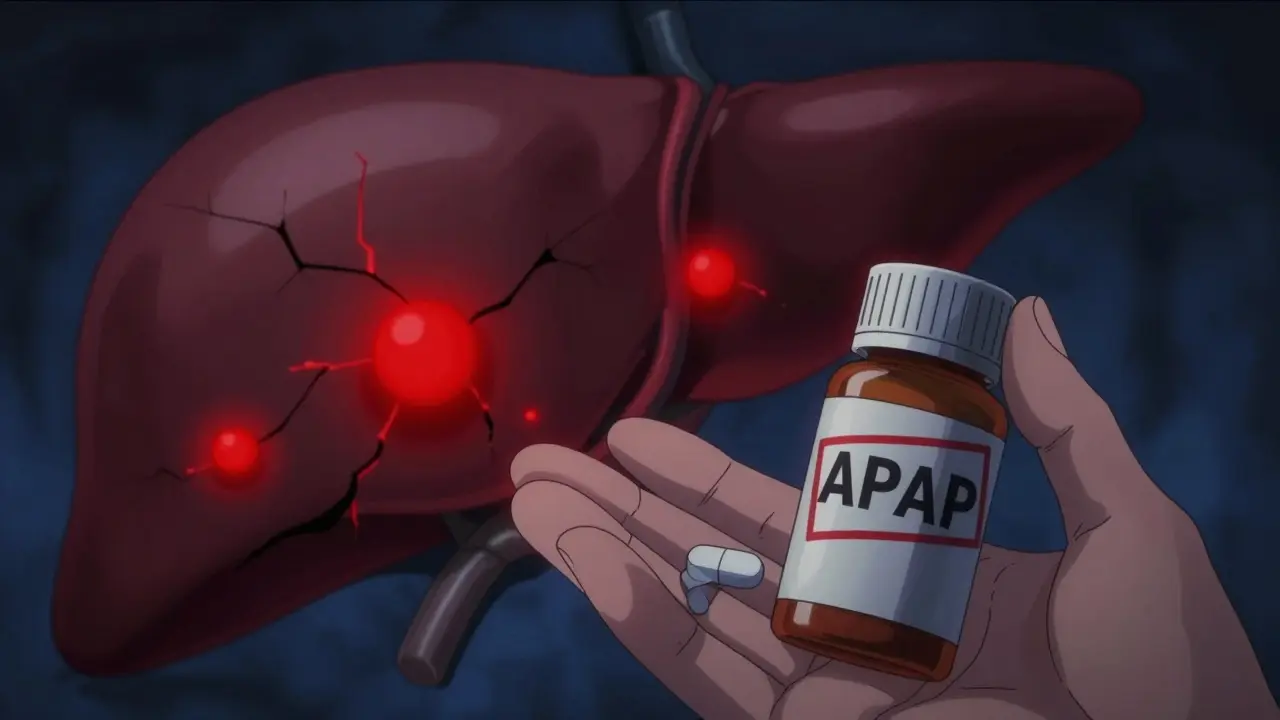
Acetaminophen is safe for most people-but for those with liver disease, even standard doses can cause severe damage. Learn the real safe limits, hidden sources, and what to do if you’ve taken too much.
Read More