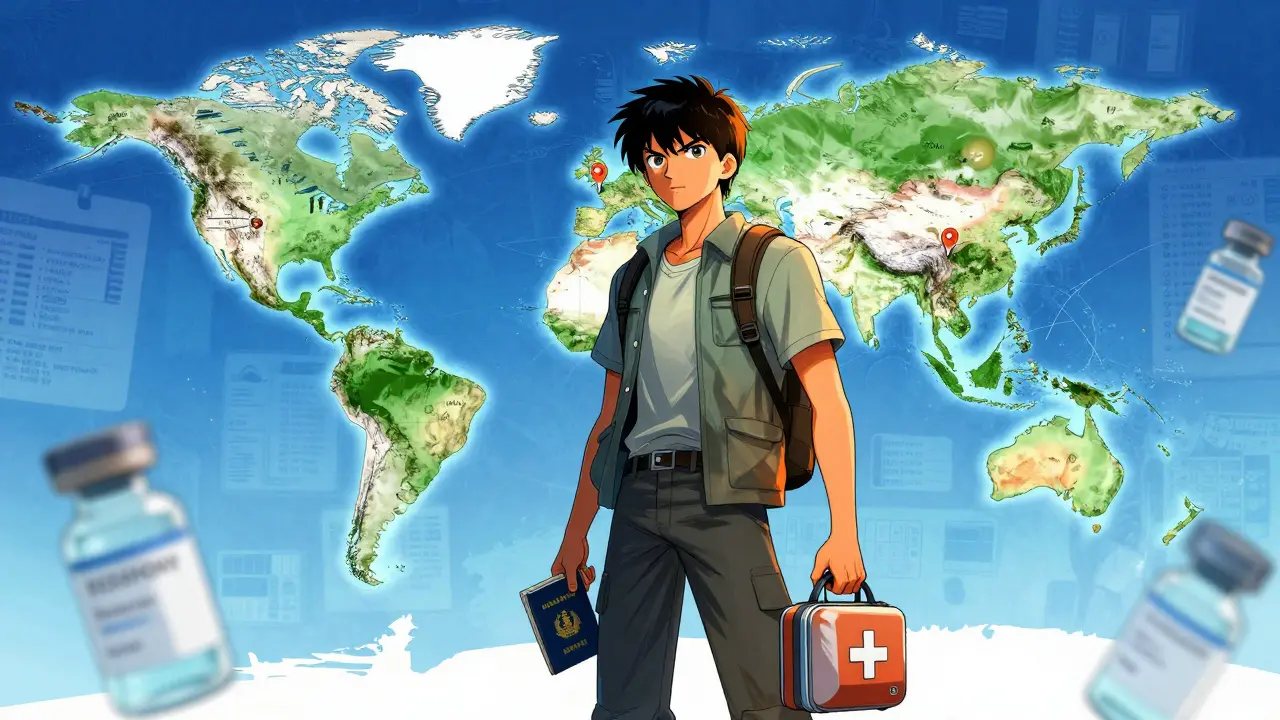
Picture this: you’ve spent months planning your dream trip to Southeast Asia or the Amazon. You have the flights booked, the hotels reserved, and the itinerary mapped out. Then, three days before departure, you wake up with a fever that won’t break. Suddenly, that adventure turns into a medical nightmare. This is exactly why Travel Medicine is a specialized field focused on preventing and managing health issues associated with international travel. It’s not just about packing ibuprofen; it’s a strategic approach to staying healthy in unfamiliar environments.
The good news? Most travel-related illnesses are preventable. According to the CDC Yellow Book 2026, the primary US government resource for travel health guidance, travelers who receive proper pre-travel consultation see a 78% reduction in vaccine-preventable diseases. That statistic alone should change how you view your next passport stamp. Let’s break down the three pillars of staying safe abroad: vaccines, malaria prevention, and what you actually put in your mouth.
Getting Your Shots Right: The Vaccine Timeline
Most people think of vaccines as something you get when you’re sick or right before you leave. But timing is everything in travel medicine. If you wait until the last minute, you might miss out on critical protection. The general rule? See a travel health specialist at least 4 to 6 weeks before your departure date.
Why so early? Because some vaccines require multiple doses spaced out over months to build full immunity. Take Hepatitis A, a liver infection spread through contaminated food and water. It’s the most common vaccine-preventable disease for travelers, with an estimated 1.4 million cases globally each year. To get lifelong protection, you need two doses administered 6 to 12 months apart. One dose gives you about 95% seroprotection, but the second dose locks in that immunity for decades.
Then there’s Typhoid Fever, a bacterial infection caused by Salmonella Typhi. Whether you choose the injectable or oral vaccine, it needs time to work. The injectable version must be given at least 10 days before travel for optimal efficacy. If you’re heading to areas where typhoid is endemic-like parts of South Asia and Africa-skipping this window leaves you vulnerable.
- Routine Check: Ensure your MMR, Tdap, and varicella shots are up to date. Travel doesn’t pause your regular health maintenance.
- Destination-Specific: Add Hepatitis A, Typhoid, or Yellow Fever based on where you’re going. Note that Yellow Fever requires an International Certificate of Vaccination, which 194 countries enforce strictly. Non-compliance can mean denied entry or a 6-day quarantine.
- Timing: Start consultations 4-6 weeks out. Only 55% of travelers to high-risk destinations currently do this, leading to thousands of preventable imported malaria cases annually.
Malaria Prophylaxis: Choosing Your Shield
If you’re traveling to a malaria-endemic region, taking preventive medication isn’t optional-it’s essential. Malaria is no joke; it causes severe illness and death if untreated. However, the landscape of Malaria Prophylaxis, medications taken to prevent malaria infection has evolved significantly. You have four main options, each with different pros, cons, and side effects.
| Medication | Dosage Schedule | Start Before Travel | Key Side Effects | Approx. Cost (21 days) |
|---|---|---|---|---|
| Atovaquone-Proguanil | Daily | 1-2 days | Nausea, headache | $220 |
| Doxycycline | Daily | 2 days | Photosensitivity, yeast infections | $45 |
| Mefloquine | Weekly | 2-3 weeks | Neuropsychiatric symptoms, vivid dreams | $150 |
| Tafenoquine | Weekly | 3 days | Hemolysis risk (requires G6PD test) | $300+ |
Let’s talk trade-offs. Atovaquone-proguanil boasts a 95% efficacy rate and fewer side effects, making it a favorite for short trips. But at $220 for a 21-day regimen, it’s pricey. Doxycycline is the budget-friendly champion at around $45 for the same duration, with 90% efficacy. However, it makes you sensitive to sunlight, so you’ll need serious sun protection, and it can cause gastrointestinal upset.
Mefloquine is convenient because you only take it once a week. But it comes with a black box warning for neuropsychiatric side effects, including anxiety, depression, and vivid nightmares. Some travelers report severe reactions requiring emergency care. If you have a history of mental health issues, avoid this one.
Tafenoquine is the newer player, approved by the FDA for adults in 2018 and expanded to children over 16 in January 2025. It offers weekly dosing convenience but requires a G6PD blood test first. People with G6PD deficiency (which affects about 10% of populations in malaria-endemic regions) risk hemolysis-a dangerous breakdown of red blood cells-if they take it.
Here’s the hard truth: adherence is the biggest hurdle. Studies show that only 62% of travelers stick to their malaria prophylaxis regimen. Missing doses drops your protection significantly. Set phone alarms. Keep pills in your daily routine. Your life depends on consistency.

Safe Food Practices: Beyond “Boil It, Cook It”
You’ve got your vaccines and your malaria pills. Now, let’s talk about the elephant in the room: food. Travelers’ Diarrhea, the most common travel-related illness affecting 30-70% of international visitors strikes fast and ruins trips. Bacterial pathogens, primarily E. coli, account for 80% of cases. While the old adage “boil it, cook it, peel it, or forget it” is a good start, modern travel medicine offers more nuanced advice.
First, understand the risks. Street food isn’t automatically dangerous, but hygiene matters. Look for busy stalls-high turnover means food is fresh. Avoid ice unless you know it’s made from purified water. Tap water in many destinations contains bacteria your gut isn’t used to. Stick to bottled or filtered water for drinking and brushing teeth.
Cooking temperatures are non-negotiable. To kill pathogens, food should reach specific internal temperatures:
- Poultry: 165°F (74°C)
- Fish: 145°F (63°C)
- Ground meats: 160°F (71°C)
Prevention also involves proactive measures. Taking Bismuth Subsalicylate, an over-the-counter medication known as Pepto-Bismol can reduce your risk of travelers’ diarrhea by 50-75%. The protocol is simple: take two tablets four times daily. It’s not a cure-all, but it’s a solid shield. Just note that it can turn your tongue and stool black, which is harmless but startling if you’re unprepared.
What if you still get sick? Don’t panic. Stay hydrated with oral rehydration solutions. For moderate to severe cases, antibiotics like azithromycin are often prescribed. However, resistance is rising. In Southeast Asia, azithromycin resistance exceeds 30%, according to recent studies. Always carry a standby prescription from your doctor, tailored to your destination. And remember, never share antibiotics-they’re personal and specific to your health profile.

Practical Tips for Smooth Travel Health Management
Planning ahead goes beyond medical preparations. Here are practical steps to ensure your travel health strategy works seamlessly:
- Carry Medications Properly: Keep all prescriptions in their original containers. Carry a letter from your physician listing generic names and dosages. About 45% of travelers face issues carrying meds across borders, especially opioids and ADHD medications. Documentation prevents confiscation.
- Use Reliable Resources: The CDC Yellow Book is the gold standard, used by 92% of US travel clinics. For real-time updates, check the CDC’s Travelers’ Health website. Apps like Shoreland Travax offer AI-driven risk assessments with 89% accuracy, helping you navigate destination-specific threats.
- Check Travel Advisories: Understand the CDC’s four-tier risk system: Watch, Alert, Warning, Do Not Travel. Adjust your plans accordingly. Climate change is expanding malaria-endemic regions by 15% since 2020, so areas previously considered safe may now pose risks.
- Insurance Matters: Ensure your travel insurance covers medical evacuation and treatment abroad. Standard health plans often don’t cover international care.
Remember, travel medicine is dynamic. Outbreaks happen. Regulations change. Stay informed. Subscribe to health alerts for your destination. Follow local news. And always listen to your body-if something feels off, seek medical help immediately. Don’t tough it out.
Emerging Trends and Future Challenges
The world of travel medicine is shifting. Digital health passports are being adopted by 127 countries as of late 2025, streamlining entry requirements. AI tools are predicting health risks with greater precision. But challenges loom large. Antibiotic resistance threatens current treatments for travelers’ diarrhea. Vaccine distribution remains inequitable, leaving 40% of travelers from low-income countries without access to essential pre-travel vaccines. Climate change is another wildcard. By 2030, malaria-endemic regions could expand by 25%, putting 200 million additional travelers at risk annually. This means destinations you might consider “safe” today could require prophylaxis tomorrow. Stay adaptable. Reassess your health plan even after booking, if new data emerges.
Despite these hurdles, the outlook is positive. The CDC plans to integrate real-time outbreak data into the Yellow Book via API by mid-2026, enhancing its role as a decision-support tool. The global travel medicine market is projected to grow from $2.3 billion in 2024 to $3.8 billion by 2029. Investment in research and infrastructure is increasing. Your safety is becoming a priority.
How far in advance should I see a travel doctor?
Ideally, 4 to 6 weeks before your trip. This allows time for multi-dose vaccines like Hepatitis A to take effect and for any necessary blood tests, such as G6PD testing for tafenoquine. Waiting less than two weeks compromises vaccine efficacy and limits medication options.
Is malaria prophylaxis really necessary?
Yes, if you’re traveling to a malaria-endemic region. Malaria is a serious, potentially fatal disease. Prophylaxis reduces your risk significantly, with efficacy rates between 85-95% when adhered to properly. Skipping it exposes you to unnecessary danger.
Can I take bismuth subsalicylate every day while traveling?
Yes, it’s commonly used as a preventive measure. Take two tablets four times daily. It reduces diarrhea incidence by up to 75%. Be aware it may cause black discoloration of stool and tongue, which is harmless. Consult your doctor if you have aspirin allergies or are on blood thinners.
What should I do if I get travelers’ diarrhea?
Stay hydrated with oral rehydration solutions. For mild cases, rest and hydration may suffice. For moderate to severe cases, use standby antibiotics prescribed by your doctor, such as azithromycin. Seek immediate medical attention if you have high fever, blood in stool, or signs of dehydration.
Do I need a Yellow Fever certificate?
Only if you’re traveling to or transiting through countries that require it. 194 countries enforce this per WHO regulations. Check the CDC Yellow Book or your destination’s embassy website for specific requirements. Non-compliance can result in denied entry or quarantine.