
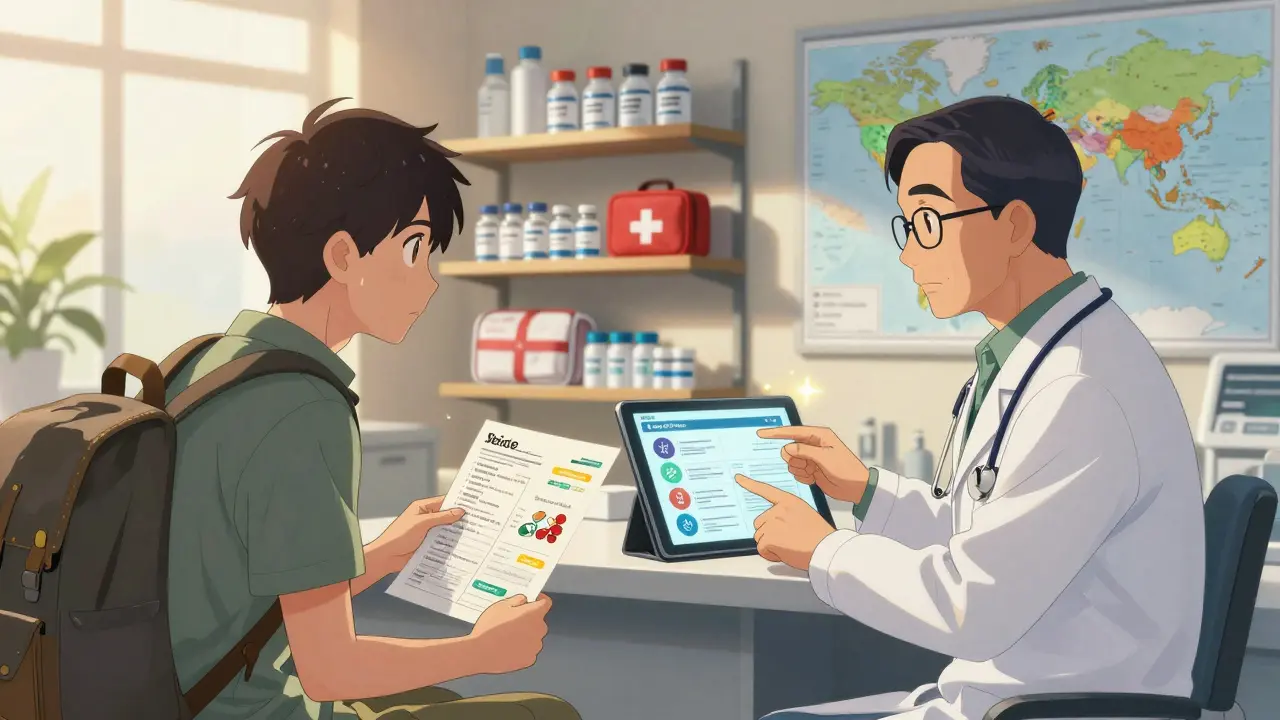
Planning a trip abroad? Skipping a visit to a travel health clinic could put you at risk-especially if you’re heading to a region with malaria, yellow fever, or other serious health threats. Most people think a quick stop at their local pharmacy or a chat with their family doctor is enough. But that’s not enough. Travel health clinics are designed for one thing: making sure you don’t get sick while you’re overseas. And the difference between using one and not using one isn’t just convenience-it’s safety.
Why Travel Health Clinics Are Different
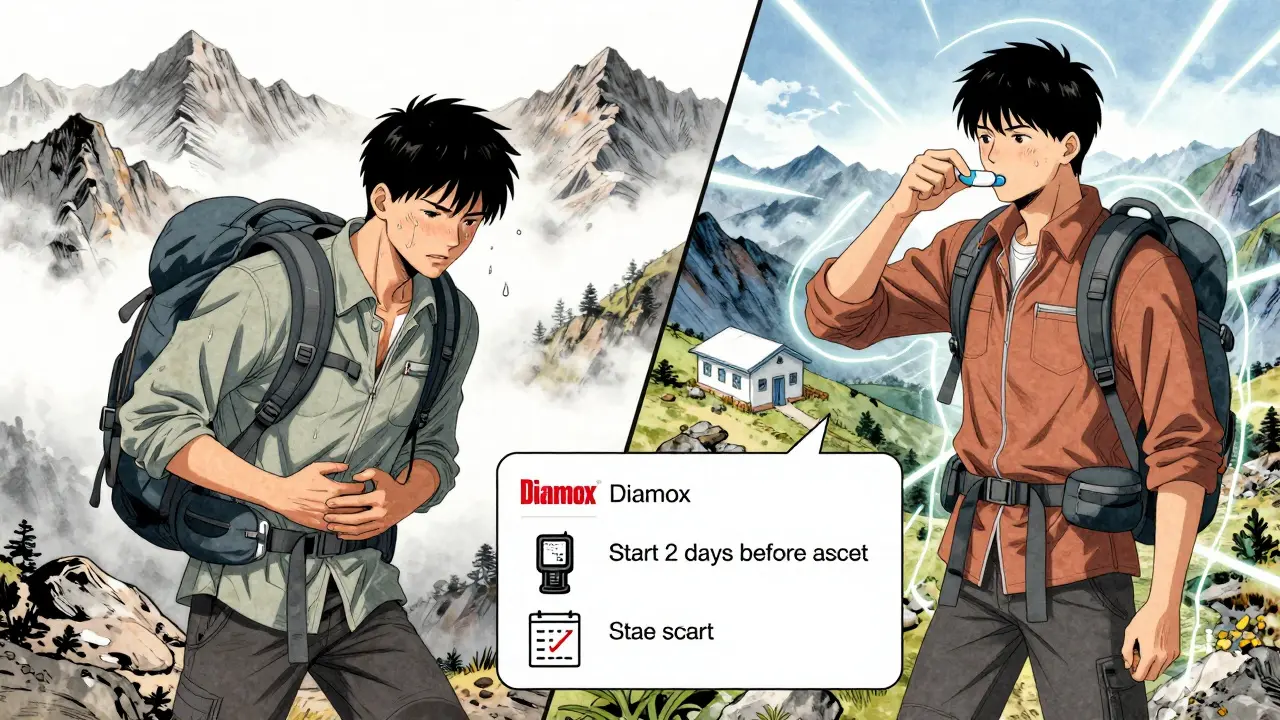
General doctors aren’t trained to know what diseases are active in Nepal this month, or which malaria drugs are failing in parts of Ghana. Travel health clinics are. These clinics specialize in international travel risks and have access to real-time data from the CDC, WHO, and global health networks. They don’t just hand out a list of vaccines-they build a custom plan based on your exact route, activities, and medical history.For example, if you’re hiking in the Andes, you might need acetazolamide (Diamox) to prevent altitude sickness. If you’re staying in rural Thailand, you’ll need a prescription for azithromycin to treat traveler’s diarrhea on the spot. These aren’t one-size-fits-all solutions. A 2022 study in the Journal of Travel Medicine found travelers who used specialized clinics had 72% fewer illnesses than those who didn’t.
Even something as simple as the timing of your malaria pills matters. Mefloquine needs to start 2-3 weeks before you leave. Atovaquone-proguanil (Malarone) only needs one day before. Get it wrong, and you’re not protected. General practitioners miss these details 32% of the time when traveling to high-risk areas like sub-Saharan Africa.
What to Bring to Your Appointment
Don’t walk into a travel clinic blind. The more info you give them, the better your plan will be. Here’s what you need:- Your full itinerary: Countries, cities, duration of stay
- Activities: Are you camping? Eating street food? Swimming in rivers?
- Medical history: Chronic conditions like diabetes, asthma, or autoimmune diseases
- Current medications: Including supplements and over-the-counter drugs
- Vaccination records: Even if you think you don’t have them, bring anything you can find
- Travel insurance details: Some clinics help you understand what’s covered abroad
One traveler from Melbourne forgot to mention she was pregnant. The clinic caught it-she couldn’t take the standard yellow fever vaccine. They adjusted her plan with a waiver letter and extra precautions. That’s the kind of detail a general doctor might overlook.
Medications You Might Need
Not everyone needs the same drugs. Here’s what’s commonly prescribed based on destination and risk:- Malaria prophylaxis: Malarone, doxycycline, or mefloquine. Choice depends on resistance patterns in your destination. For example, in parts of Southeast Asia, doxycycline is preferred over mefloquine due to side effect risks.
- Traveler’s diarrhea treatment: Azithromycin (500 mg once daily for 3 days) is now the top choice over ciprofloxacin because of rising antibiotic resistance. Some clinics also recommend loperamide for symptom control, but only to be used with antibiotics-not alone.
- Altitude sickness: Acetazolamide (125 mg twice daily), starting 1-2 days before ascending above 2,500 meters.
- Antibiotics for travelers with weakened immune systems: If you’re on immunosuppressants, you might need extra antibiotics for bacterial infections like typhoid or campylobacter.
Some clinics also provide emergency kits with oral rehydration salts, antihistamines, and insect repellent with 30%+ DEET. Don’t assume these are included-ask.
Vaccines: Timing Is Everything
Vaccines aren’t instant. They take time to work-and some require multiple doses.- Yellow fever: Must be given at least 10 days before travel. Only authorized clinics can give this vaccine. The certificate is valid for life, but you need the official WHO card.
- Typhoid: Injectable version needs 2 weeks to become effective. The oral version (capsules) requires a 1-week schedule ending at least 1 day before departure.
- Hepatitis A: One shot gives protection for 6 months; a second shot at 6-12 months gives lifelong immunity.
- Japanese encephalitis: Two doses spaced 28 days apart. If you’re traveling to rural Asia during rainy season, this is critical.
Miss the window? You’re not completely out of luck. Even a last-minute visit 2 weeks before departure can still help with some vaccines and medications. But after 2 weeks, your options shrink fast. Some drugs, like malaria pills, can’t be started on the plane.
Travel Clinics vs. Retail Clinics vs. Your Doctor
Not all clinics are equal. Here’s how they stack up:| Provider Type | Consultation Cost | Specialization | Insurance Coverage | Best For |
|---|---|---|---|---|
| University or private travel clinic | $150-$250 | High-custom plans, chronic condition management | Usually not covered | Complex itineraries, chronic illness, high-risk destinations |
| CVS MinuteClinic / Walgreens | $129 | Moderate-vaccines and basic meds | Often covered | Simple trips, healthy travelers, routine vaccines |
| Your primary care doctor | $50-$150 (varies) | Low-limited travel-specific knowledge | Usually covered | Quick checkups, no complex risks |
Here’s the catch: retail clinics like CVS can give you the yellow fever vaccine-but only if they’re CDC-registered. As of 2024, only 256 clinics in the U.S. are authorized. Ask before you go. Many aren’t.
University clinics (like UCLA or UC Davis) offer the most thorough reviews. They’ll check your blood work, review your meds, and even coordinate with your regular doctor if you have diabetes or heart disease. That’s worth the price if you’re traveling for more than a week or to a high-risk area.
What to Do After Your Visit
Don’t just leave with a receipt. Make sure you:- Get a printed or digital copy of your vaccination record
- Confirm the names, doses, and start dates of all prescriptions
- Ask what to do if you lose your meds or get sick abroad
- Download the CDC’s Travel Health app or save clinic instructions to your phone
- Bring extra pills-20% more than you think you’ll need
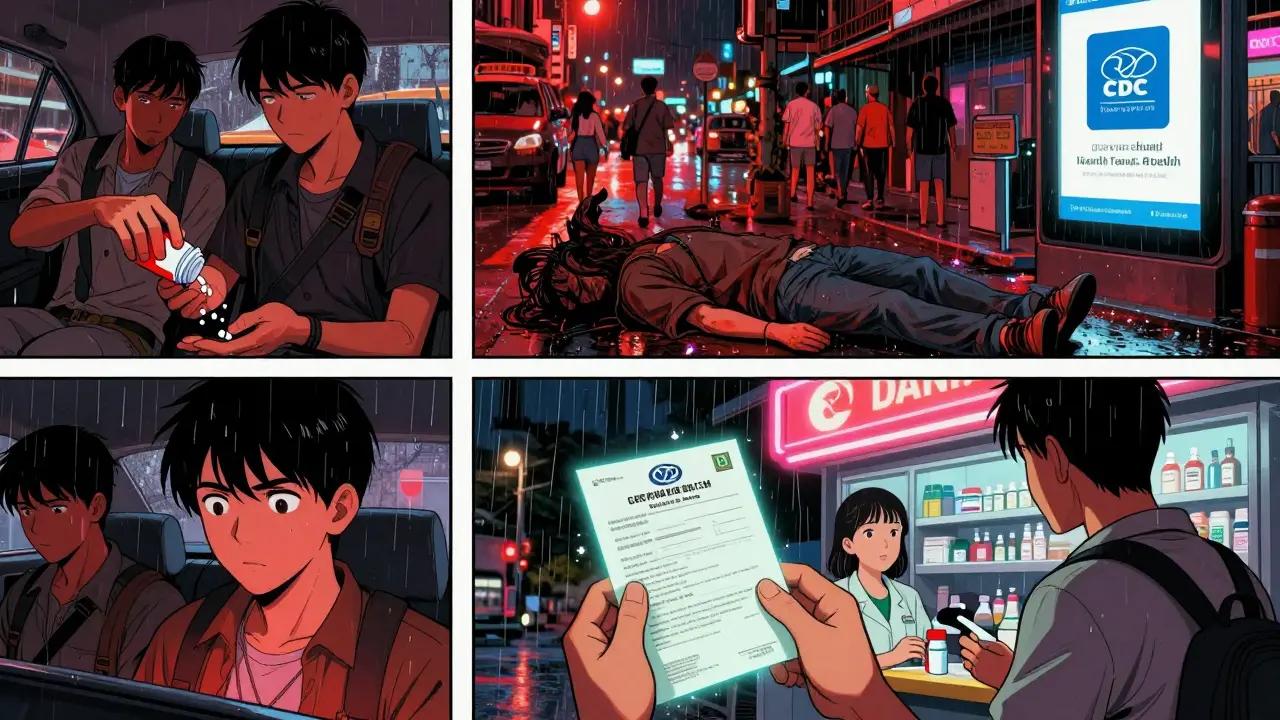
One traveler lost her malaria pills in a Bangkok taxi. She didn’t have a backup. She got sick. She spent 10 days in a hospital. If she’d asked her clinic for a second prescription or a letter to get meds abroad, it wouldn’t have happened.
Red Flags and Common Mistakes
Here’s what not to do:- Don’t wait until the last minute. Even if you’re leaving in 10 days, go anyway-but know you’ll have fewer options.
- Don’t skip the malaria pills. Taking them inconsistently or stopping early is why 28% of U.S. travelers get malaria, according to the CDC.
- Don’t assume your insurance covers it. Most travel clinic visits aren’t covered. Budget for it.
- Don’t take antibiotics for every stomach upset. Overuse is making superbugs. Use azithromycin only if you have diarrhea with fever or blood.
- Don’t ignore your chronic conditions. If you’re on blood thinners or have kidney disease, your meds might interact with travel drugs. Tell your clinic.
What’s New in 2026
Travel clinics are evolving. By 2026, most will use AI to analyze your health data and destination risks together. Stanford is already testing genetic tests to see how your body processes antimalarials. Some clinics now offer virtual visits-perfect if you live in a rural area or can’t take time off work.CVS now offers “Fit to Fly” clearance letters for people recovering from COVID-19. That’s a new service born from pandemic lessons. The goal? Make travel safer, not just easier.
The bottom line: Travel health clinics aren’t optional if you’re going somewhere outside the U.S., Canada, Western Europe, Australia, or New Zealand. They’re your best defense against preventable illness. Spend the time and money now-or pay the price later.
Do I need a travel health clinic if I’m only going to Europe?
For most Western European countries, you probably don’t need a travel clinic unless you have a chronic condition, are pregnant, or plan to camp or hike in rural areas. Routine vaccines like measles, mumps, rubella, and tetanus should already be up to date. But if you’re traveling to Eastern Europe, the Balkans, or rural regions, you may still need hepatitis A, tick-borne encephalitis, or rabies vaccines. When in doubt, it’s safer to consult a clinic.
Can I get malaria pills without a prescription?
No. All malaria prophylaxis drugs-Malarone, doxycycline, mefloquine-are prescription-only in the U.S., Australia, and most developed countries. This is because they can have serious side effects and must be matched to your health profile. Buying them online without a prescription is risky and illegal. You might get counterfeit pills or the wrong drug for your destination.
How long does a travel clinic appointment take?
Most appointments last 30 to 45 minutes. You’ll review your itinerary, medical history, and receive personalized advice on vaccines, medications, and prevention tips. Some clinics offer extended consultations for complex cases-like travelers with diabetes, pregnancy, or immune disorders. These can take up to an hour.
What if I’m traveling with kids?
Children need special consideration. Some vaccines (like yellow fever) aren’t given under age 9 months. Others (like typhoid) aren’t recommended under age 2. Dosing for malaria pills is based on weight, not age. A travel clinic will adjust all medications for your child’s size and developmental stage. Never use adult doses for kids-even if you think it’s "close enough."
Are travel clinic costs covered by insurance?
Usually not. The consultation itself is rarely covered. But some vaccines (like MMR or hepatitis A) may be covered under your preventive care benefits if your plan includes them. Check with your insurer before your visit. Retail clinics like CVS often accept insurance for vaccines, but not the full consultation. Budget $150-$250 for a full visit if you’re using a specialized clinic.
Can I get my vaccination records from the clinic later?
Yes-but don’t wait. Reputable clinics give you a printed International Certificate of Vaccination (the yellow card) and often send a digital copy via email. Some even link to apps like CDC’s Travel Health app. If you lose it, you can request a copy, but it may take days or weeks. Always ask for multiple copies before you leave.
What if I get sick while traveling and don’t have my meds?
Most clinics give you a letter explaining your prescriptions, dosages, and conditions. This helps local pharmacists understand what you need. In many countries, you can buy azithromycin or loperamide over the counter. But in places like India or Southeast Asia, counterfeit drugs are common. If you’re in trouble, contact your country’s embassy or use telehealth services offered by some insurers. Always carry a backup supply-20% extra.




Faith Wright
January 10, 2026 AT 12:49So let me get this straight-you’re telling me I need to pay $250 to find out I shouldn’t drink the river water in Nepal? My grandma survived three continents in the 70s with nothing but iodine tablets and a prayer. But okay, I guess now we need AI and genetic tests just to not get diarrhea.
Also, who wrote this? A travel clinic sales rep with a thesaurus and a guilt complex?
Rinky Tandon
January 12, 2026 AT 10:31Let me just say this with full clinical precision-the failure to engage with a certified travel medicine specialist constitutes a preventable biosecurity liability at both the individual and systemic levels. Your gut microbiome is not a sandbox, and your immune system is not a free trial. The CDC data is unequivocal: non-compliant travelers are statistically more likely to become vectors of antimicrobial resistance, especially when they self-prescribe ciprofloxacin from dubious online pharmacies in Bangkok. You’re not just risking your health-you’re compromising global public health infrastructure.
And yes, I’ve seen this exact scenario in my 14 years as a travel epidemiologist. It’s tragic. It’s avoidable. And frankly-it’s embarrassing.
Ben Kono
January 12, 2026 AT 12:45I went to Thailand last year and just bought azithromycin at the pharmacy there for like 5 bucks
no clinic no problem
got sick once but it was the street food not the meds
why pay 200 to be told what a google search gives you
Cassie Widders
January 14, 2026 AT 08:59I’ve been to a few places and never used a clinic. Just made sure my shots were up to date and brought some Imodium. Still got sick once, but it passed. I get that some people need it, but it feels like we’re being sold fear as a service.
Maybe just be smart, pack basics, and don’t drink weird water?
Jose Mecanico
January 15, 2026 AT 15:14I used a travel clinic before going to Peru and it was worth it. They caught that I was on blood pressure meds and flagged a bad interaction with doxycycline. I didn’t even know that was a thing. Also got the right malaria pills for my route. Honestly, it felt like they actually listened.
Worth the price if you’re going somewhere complex.
jordan shiyangeni
January 16, 2026 AT 03:55It is both scientifically and ethically indefensible to suggest that a general practitioner is adequate for pre-travel prophylaxis in high-risk regions. The data is unequivocal: 32 percent of patients receive incorrect or incomplete malaria prophylaxis regimens from non-specialist providers, a statistic that is not merely alarming-it is a public health failure. Furthermore, the assertion that retail clinics like CVS are sufficient is not only misleading, but dangerously negligent, as only 256 locations in the entire United States are CDC-authorized to administer the yellow fever vaccine. To assume otherwise is to engage in willful ignorance, and to endanger not only oneself, but the global community through potential disease importation. The notion that this is merely a matter of "convenience" is a grotesque minimization of the biological realities involved. This is not a spa day. This is medical triage for the modern age. And if you are unwilling to invest in your own survival, you have no moral right to complain when you become a statistic.
Abner San Diego
January 16, 2026 AT 16:13Ugh another one of these "you’re gonna die if you don’t pay $200" articles
Why is it that every time someone wants to travel they turn it into a medical emergency?
My dad went to Vietnam in 1972 with a backpack and a canteen and came back fine
Now we need genetic tests and AI to tell us not to eat street food?
It’s not travel advice, it’s fear porn dressed up as science
Also I’m pretty sure the CDC doesn’t run travel clinics
Who’s making money off this? Pharma? Clinics? Someone’s cashing in on our anxiety
Cecelia Alta
January 16, 2026 AT 21:40Okay but let’s be real-this whole thing is just a glorified money grab wrapped in CDC jargon
I went to a clinic last year because my friend pressured me and they handed me a 12-page PDF and charged me $220
Half the stuff they said I needed? I didn’t even go to those countries
They tried to upsell me on Japanese encephalitis because I said I might visit a rural area-turns out I stayed in Hanoi the whole time
And then they gave me a vaccine that hurt for three days and didn’t even help
Also, I’m pretty sure the "20% extra pills" rule is just so they can sell you more
Don’t get me wrong-I’m not saying travel clinics are useless, but most of them are just overpriced pharmacies with a fancy sign
And the "AI future" thing? That’s just buzzword bingo. They’re gonna charge us $500 for an algorithm that says "don’t drink the water"
My grandma didn’t have a travel clinic and she lived to 94. She had a bottle of Pepto and a sense of humor.
Stop scaring people into paying for things they don’t need. Just because you’re a doctor doesn’t mean you’re not selling snake oil.