
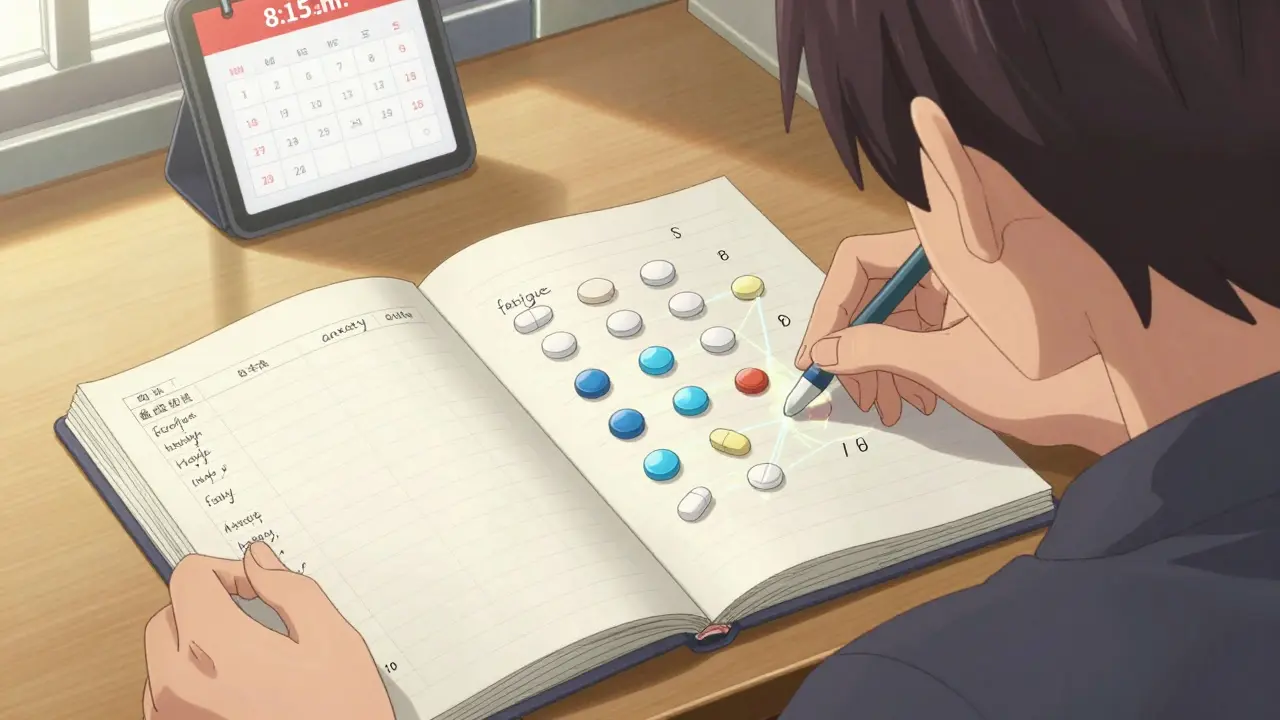
Keeping a medication journal when switching to generics helps you spot subtle side effects or changes in effectiveness that standard medical advice might miss. This simple habit empowers you to work smarter with your doctor and avoid unnecessary health risks.
Read More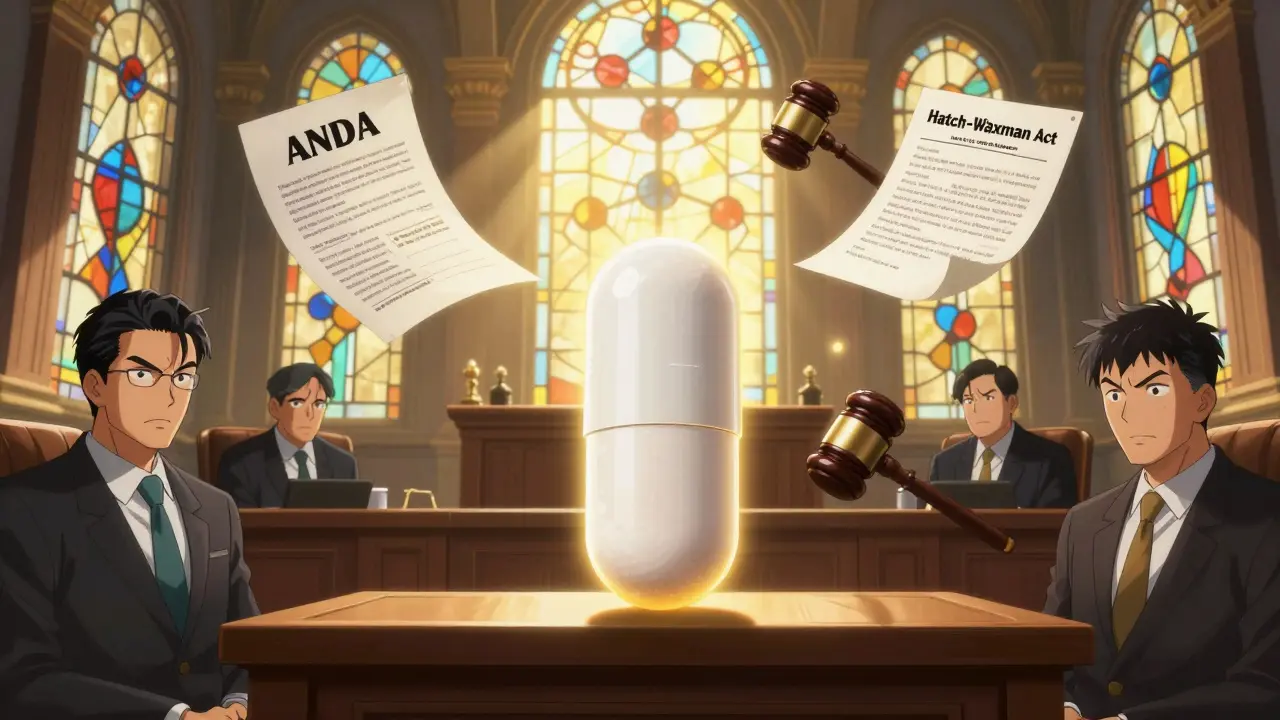
Learn how the FDA approves generic drugs under the Hatch-Waxman Act, including the ANDA process, bioequivalence requirements, patent challenges, and how this system keeps prescription costs low for millions of Americans.
Read More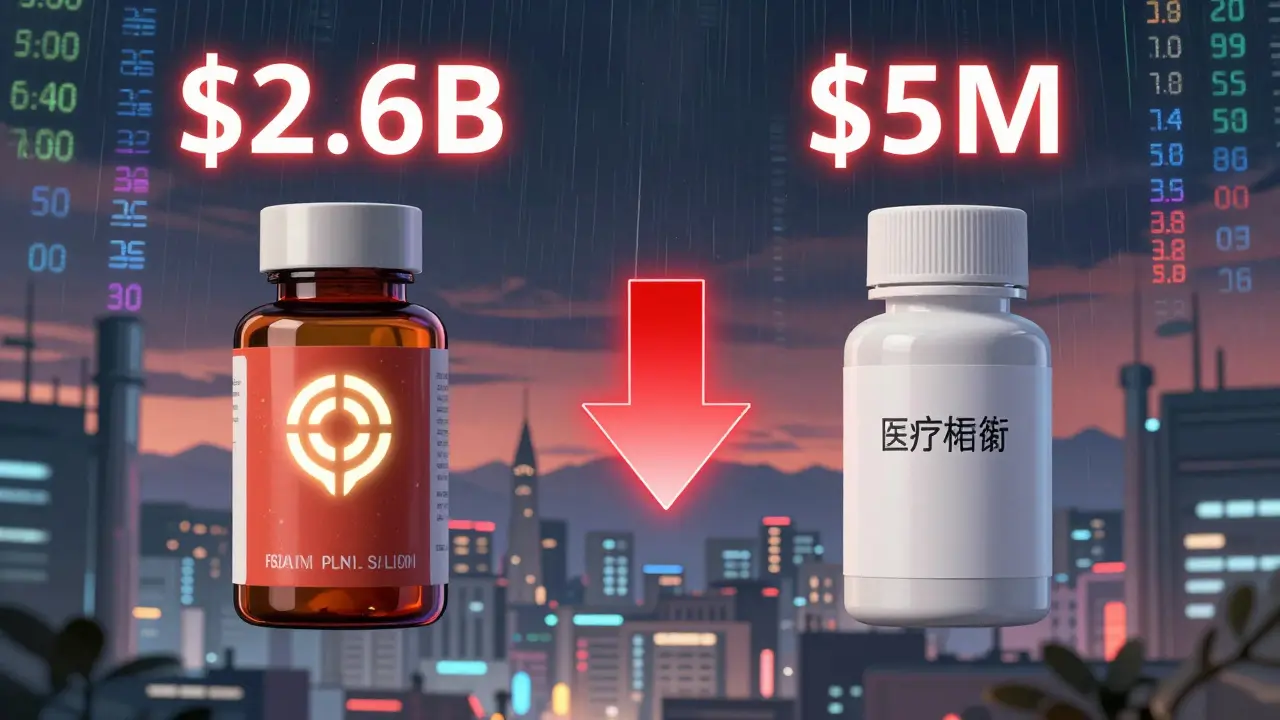
Generic drugs cost far less than brand-name versions because they skip expensive R&D and rely on scale, simple packaging, and strict regulatory shortcuts. Learn how manufacturing efficiency drives down prices without sacrificing safety or effectiveness.
Read More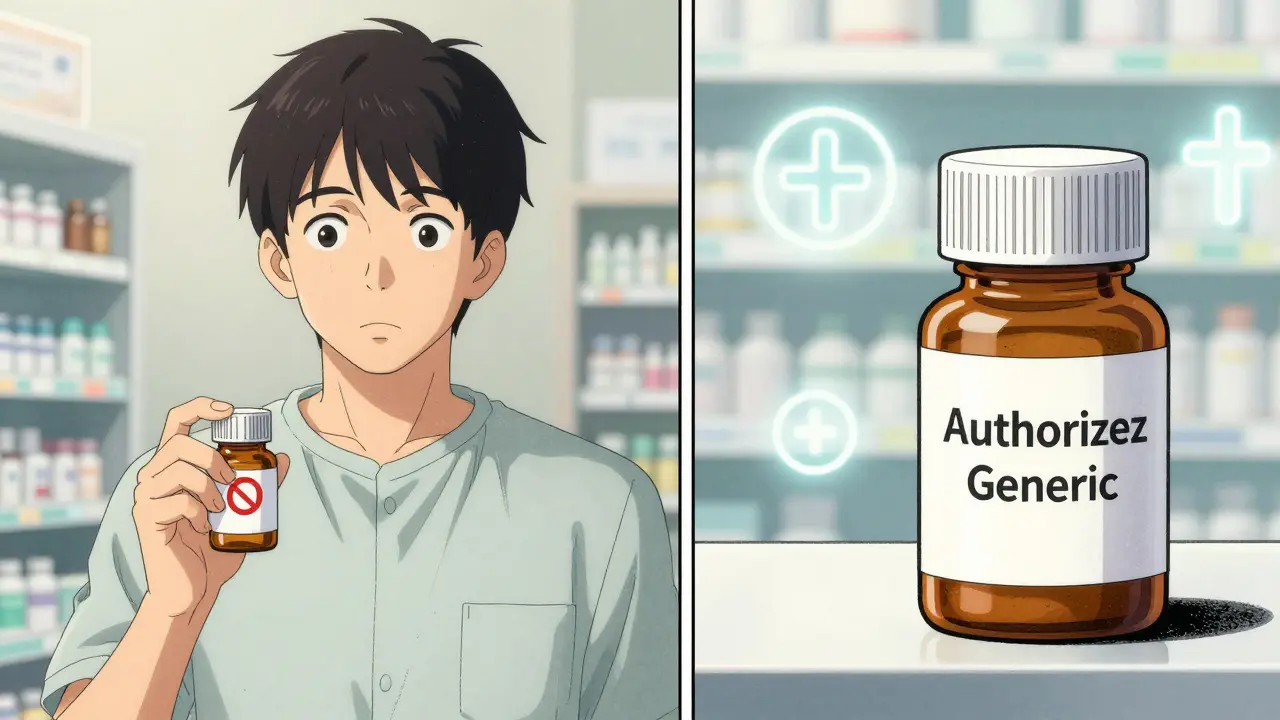
Authorized generics let brand drug companies stay competitive after patent expiration by selling the exact same medication under a different label. They lower prices, reduce patient confusion, and challenge traditional generics-but they also spark debate over market fairness.
Read More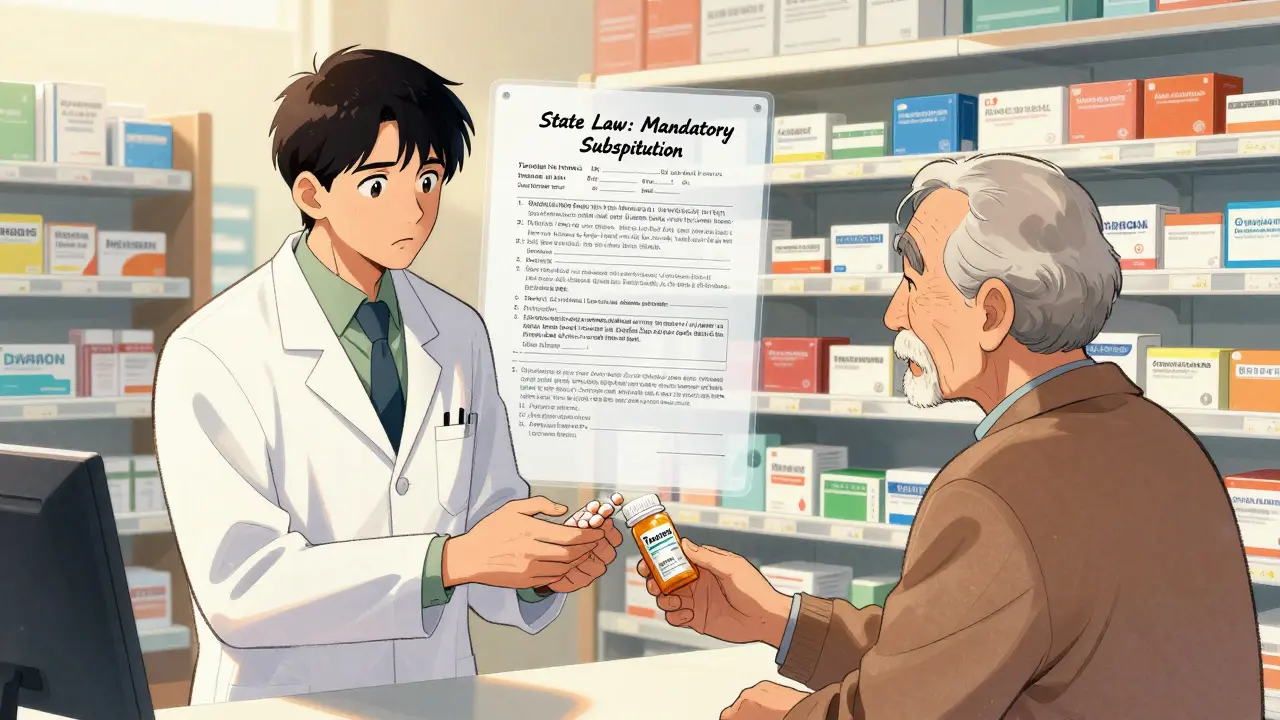
State laws determine whether pharmacists must or can choose to give you generic drugs instead of brand names. These rules affect your costs, adherence, and safety-here’s how they vary across the U.S.
Read More
Pharmacists support generic substitution to cut costs, but patients often resist due to mistrust, confusion, or fear. Learn the real concerns behind the counter - from NTI drugs to patient education gaps - and how pharmacists are working to build trust.
Read More