Imagine taking your daily blood pressure medication, only to find out later that it contained trace amounts of a probable carcinogen. This isn't a hypothetical nightmare scenario; it is the reality that has unfolded in the pharmaceutical industry since 2018. The discovery of nitrosamine contamination in widely prescribed generic drugs triggered a global crisis, forcing regulators and manufacturers to rethink how medicines are made, tested, and monitored.
Nitrosamines are not active ingredients. They are unwanted impurities that form during manufacturing or storage. Even at levels measured in nanograms-billionths of a gram-they pose potential cancer risks. Since the first major alerts regarding valsartan and other angiotensin II receptor blockers (ARBs), the landscape of drug safety has changed dramatically. As we move through 2026, understanding these recent cases and the regulatory response is critical for anyone relying on generic medications.
The Origin of the Crisis: From Valsartan to Ranitidine
The trouble started in 2018 when the U.S. Food and Drug Administration (FDA) identified N-Nitrosodimethylamine (NDMA) in valsartan tablets produced by certain manufacturers. NDMA is classified as a probable human carcinogen by the International Agency for Research on Cancer (IARC). The finding was shocking because valsartan is one of the most commonly prescribed drugs for high blood pressure and heart failure.
This wasn't an isolated incident. Shortly after, ranitidine (Zantac) faced similar scrutiny. Unlike valsartan, where the impurity formed during specific chemical synthesis steps, ranitidine could generate nitrosamines over time, even under normal storage conditions. This led to the voluntary withdrawal of all ranitidine products from the U.S. market in 2020. The message was clear: if a drug cannot guarantee stability without forming harmful impurities, it does not belong on the shelf.
These early cases set the stage for a broader investigation. Regulators realized that nitrosamine formation was not limited to two drug classes. It was a systemic issue affecting various therapeutic areas, including antibiotics, antidepressants, and diabetes medications. The crisis exposed vulnerabilities in the supply chain, particularly among generic manufacturers who often operate on thin margins and may lack robust quality control systems.
How Nitrosamines Form in Generic Drugs
To understand the solution, you must understand the problem. Nitrosamines form through a chemical reaction between a nitrosating agent (like nitrite) and an amine (a nitrogen-containing compound found in many drug substances). This reaction can happen during manufacturing, packaging, or even while the drug sits on a pharmacy shelf.
Several factors contribute to this formation:
- Raw Material Impurities: Excipients like magnesium stearate or lactose may contain trace nitrites. If these react with the active pharmaceutical ingredient (API), nitrosamines form.
- Manufacturing Processes: Certain chemical reactions used to synthesize APIs can produce nitrosamines as byproducts if not carefully controlled.
- Packaging Materials: Recent investigations have highlighted blister films, bottle liners, and adhesives as sources of nitrosating agents. For example, some colorants or secondary amine-based materials in packaging can migrate into the drug product.
- Storage Conditions: Heat, humidity, and light can accelerate the degradation of drugs, leading to increased nitrosamine levels over the product's shelf life.
The complexity lies in identifying the exact source. A manufacturer might fix one pathway, only to discover another emerging elsewhere in the process. This cat-and-mouse game requires continuous monitoring and rigorous testing.
FDA’s Evolving Regulatory Framework
The FDA has responded with a multi-phase strategy aimed at controlling nitrosamine impurities. Initially, the agency focused on setting acceptable intake (AI) limits for specific nitrosamines. For instance, the AI limit for NDMA is 96 nanograms per day, while for N-Nitrosodiethylamine (NDEA), it is 26.5 ng/day. These limits are based on toxicological data estimating the risk of cancer over a lifetime of exposure.
In September 2024, the FDA issued updated guidance titled "Control of Nitrosamine Impurities in Human Drugs." This document refined the approach, particularly for Nitrosamine Drug Substance-Related Impurities (NDSRIs). NDSRIs are nitrosamines derived directly from the drug substance itself, such as N-nitroso-varenicline or N-nitroso-duloxetine. The guidance established compound-specific AI limits, recognizing that each NDSRI has unique toxicological properties.
A key challenge arose with the August 1, 2025 deadline for full NDSRI compliance. Many manufacturers struggled to meet this timeline due to the complexity of root cause analysis and reformulation. In June 2025, the FDA softened its stance, accepting progress reports in lieu of full compliance for some sponsors. This pragmatic shift acknowledges that determining root causes and gathering stability data for new formulations is a lengthy process requiring significant resources.
| Nitrosamine Type | Acceptable Intake Limit (ng/day) | Classification |
|---|---|---|
| NDMA | 96 | Probable Human Carcinogen |
| NDEA | 26.5 | Probable Human Carcinogen |
| NMBA | 9.7 | Probable Human Carcinogen |
| NDSRIs (e.g., N-nitroso-varenicline) | 96 (varies by compound) | Compound-Specific |
Recent Cases and Industry Impact in 2025-2026
The ripple effects of the nitrosamine crisis continue to shape the generic drug market. From 2018 through mid-2025, the FDA oversaw more than 40 specific drug product recalls linked to nitrosamine contamination. However, the total number of recalls involving APIs exceeds 500, reflecting the widespread nature of the issue.
Recent cases highlight ongoing challenges. In late 2025, Sun Pharmaceutical Industries recalled a generic version of Vyvanse due to nitrosamine concerns. Similarly, metformin, a cornerstone treatment for type 2 diabetes, has faced multiple batches failing tests. These recalls disrupt patient care, causing temporary shortages and forcing patients to switch medications abruptly.
The financial impact is substantial. Industry estimates suggest that comprehensive nitrosamine testing programs cost mid-sized generic manufacturers between $500,000 and $2 million annually. Smaller companies struggle to absorb these costs, leading to consolidation in the sector. Larger players like Teva Pharmaceuticals and Fresenius Kabi have invested heavily in analytical capabilities, gaining a competitive edge through proactive compliance.
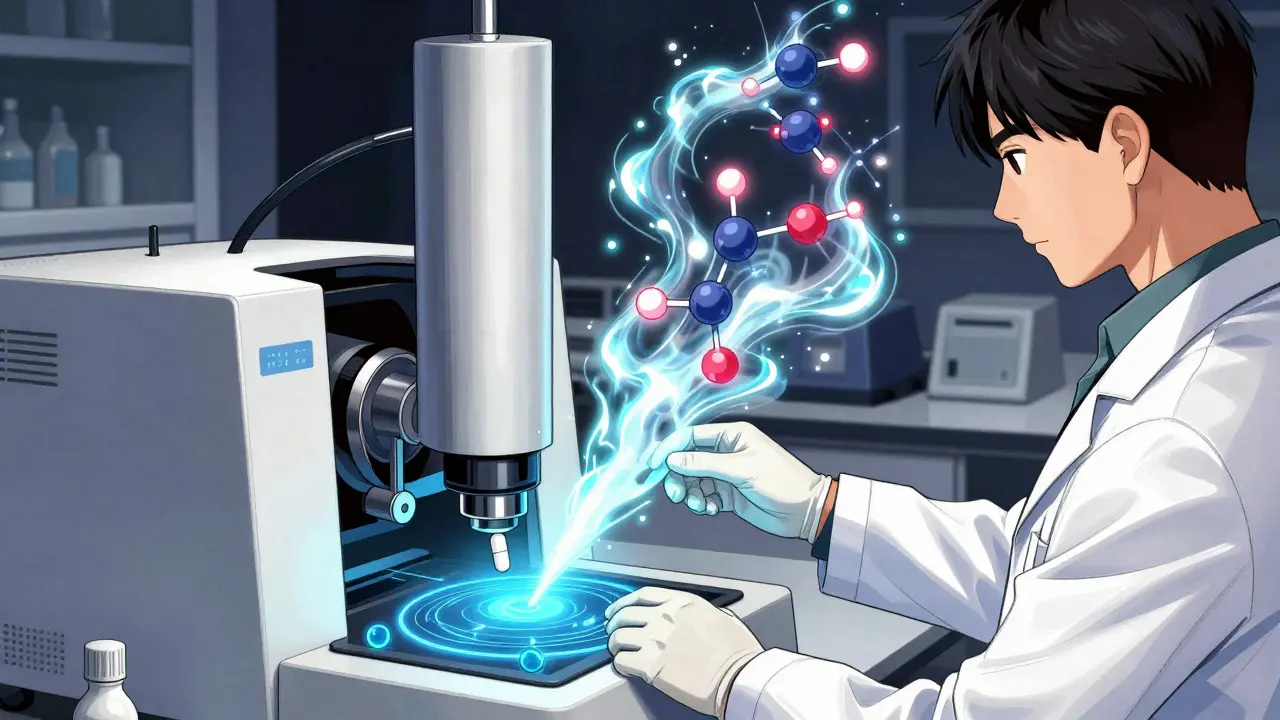
Moreover, the crisis has accelerated innovation in testing methods. Manufacturers now rely on highly sensitive techniques like liquid chromatography-tandem mass spectrometry (LC-MS/MS) to detect nitrosamines at parts-per-billion levels. This technological upgrade is essential but expensive, further widening the gap between large and small manufacturers.
Global Regulatory Perspectives
While the FDA has taken a leading role, other regulatory agencies have implemented their own frameworks. The European Medicines Agency (EMA) has issued 32 nitrosamine-related recalls through mid-2025. Health Canada, the UK's MHRA, Brazil's ANVISA, and Japan's PMDA have also reported numerous cases, though their approaches vary in stringency and timeline.
A notable difference is the EMA's staggered implementation plan, which extends through 2026. This provides manufacturers more time to adjust compared to the FDA's initially aggressive deadlines. However, the harmonization of standards remains a goal. International collaboration ensures that patients worldwide receive safe medications, regardless of where they are manufactured.
For exporters, navigating these divergent regulations adds complexity. A drug approved in Europe might face additional hurdles in the U.S. market if it doesn't meet specific NDSRI requirements. Companies must maintain flexible quality systems capable of adapting to regional demands.
What Patients and Healthcare Providers Should Know
If you take generic medications, here is what you need to do. First, stay informed about recalls. The FDA maintains a public database of recalled products, which should be checked regularly. Second, consult your pharmacist or doctor before switching brands. Not all generics are created equal in terms of quality control history.
Healthcare providers play a crucial role in monitoring patients affected by recalls. When a drug is withdrawn, alternatives must be evaluated for efficacy and safety. In some cases, branded versions may be temporarily recommended if no suitable generic alternative exists. Communication is key; patients should never stop taking essential medications without medical advice.
Finally, advocate for transparency. Support policies that require regular reporting of nitrosamine testing results. Public access to this data empowers consumers to make informed choices and holds manufacturers accountable.
Looking Ahead: Future Challenges and Solutions
The nitrosamine saga is far from over. As testing becomes more sensitive, previously undetected impurities may emerge. Regulators will likely expand screening requirements to additional drug classes. Manufacturers must adopt a preventive mindset, integrating risk assessments early in the development phase rather than reacting post-market.
Innovation in green chemistry offers promise. By designing synthetic routes that minimize the use of nitrosating agents, companies can reduce the likelihood of contamination at the source. Additionally, advanced packaging solutions that block moisture and oxygen can mitigate degradation-related formation.
Collaboration between regulators, manufacturers, and academia will drive progress. Sharing best practices and research findings accelerates learning curves. Ultimately, the goal is simple: ensure every pill meets the highest safety standards without compromising accessibility or affordability.
What are nitrosamines and why are they dangerous?
Nitrosamines are chemical compounds that can form in drugs during manufacturing or storage. They are classified as probable or possible human carcinogens, meaning they may cause cancer even at very low doses (nanograms per day).
Which common drugs have been recalled due to nitrosamines?
Commonly affected drugs include valsartan, losartan, ranitidine (Zantac), metformin, duloxetine, varenicline, and rifampin. The list continues to grow as testing improves.
How does the FDA determine safe limits for nitrosamines?
The FDA sets Acceptable Intake (AI) limits based on toxicological studies. For example, the limit for NDMA is 96 ng/day, calculated to keep lifetime cancer risk below one in 100,000.
What happened to the August 2025 compliance deadline?
In June 2025, the FDA softened the August 1, 2025 deadline for NDSRI compliance. Instead of requiring full adherence, the agency now accepts progress reports acknowledging the difficulty of rapid reformulation.
Should I stop taking my generic medication?
Do not stop taking prescribed medications without consulting your healthcare provider. Check the FDA recall database for your specific brand and lot number. If recalled, your doctor can recommend a safe alternative.
How much does it cost manufacturers to test for nitrosamines?
Comprehensive testing programs can cost mid-sized manufacturers between $500,000 and $2 million annually, including equipment, personnel, and process revalidation.
Are branded drugs safer than generics regarding nitrosamines?
Not necessarily. Both branded and generic drugs are subject to the same regulatory standards. However, larger manufacturers with robust quality systems may have better controls, reducing risk across both types.
What is an NDSRI?
An NDSRI stands for Nitrosamine Drug Substance-Related Impurity. It is a nitrosamine formed specifically from the active ingredient of a drug, requiring compound-specific safety evaluations.