You take your morning pill. You trust it works. But what if that trust is misplaced? The numbers behind medication safety are not just abstract data points for hospital administrators; they are a stark reality check for anyone who has ever swallowed a tablet or injected insulin.
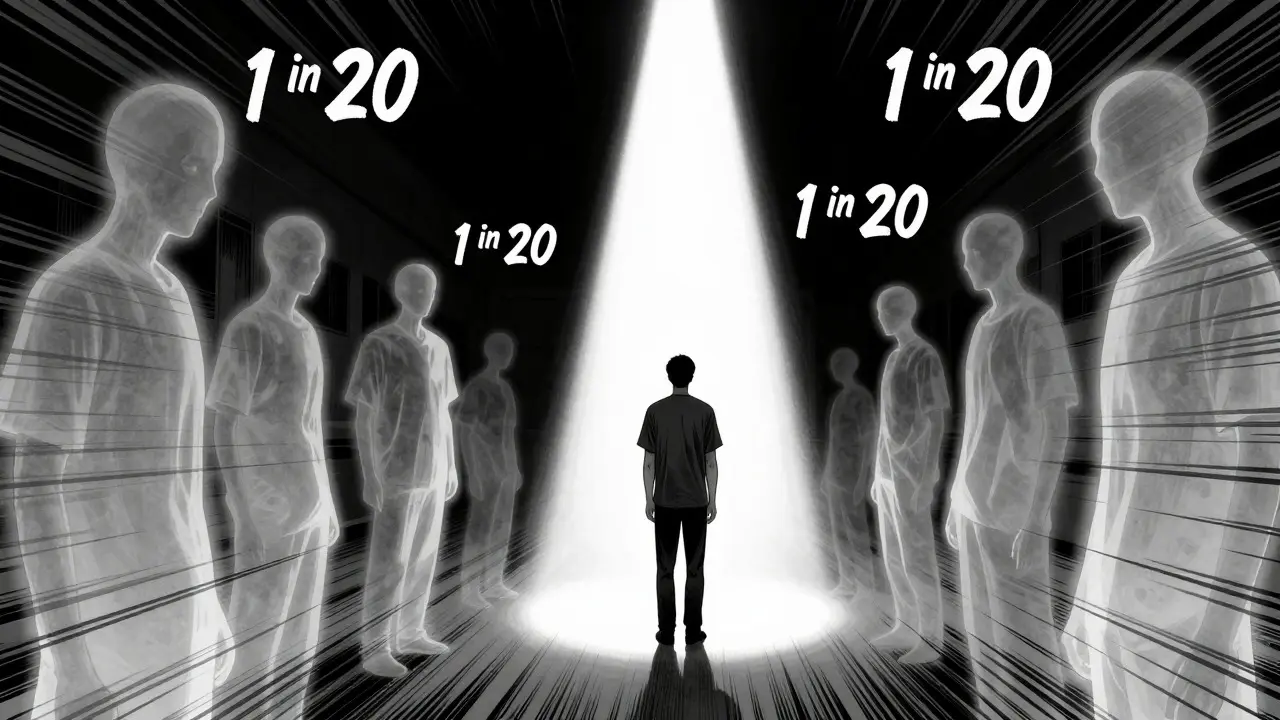
We often think of medical mistakes as rare anomalies, like lightning strikes. The truth is far more unsettling. According to the World Health Organization (WHO), medication-related harm affects approximately 1 in 20 patients globally. That means in any given room with twenty people, one is likely suffering from a preventable error related to their drugs. This isn't about bad luck; it's about system failures that cost the global economy $42 billion annually and claim thousands of lives every year.
The Global Scale of Medication Errors
To understand why you need to be proactive, you first have to grasp the magnitude of the problem. The WHO launched the 'Medication Without Harm' Global Patient Safety Challenge in 2017. Their goal was ambitious: reduce severe avoidable medication-related harm by 50% within five years. While progress is being made, the baseline remains dangerously high.
In the United States alone, medication errors harm more than 1.5 million people each year. Of those, roughly 1.3 million experience direct harm. These aren't minor inconveniences; they are serious injuries. In hospitals specifically, these errors contribute to an estimated 7,000 deaths annually. To put that in perspective, this makes medication errors the most common type of medical mistake in healthcare facilities, surpassing surgical complications or diagnostic delays.
Why are the numbers so high? It’s rarely because a nurse or doctor didn’t care. As Dr. Donald Berwick, former Administrator of CMS, noted, "Most medication errors are system failures rather than individual failures." Complex workflows, similar-sounding drug names, and rushed environments create a perfect storm for mistakes. When you know this, you stop blaming individuals and start looking at the process-and your role in it.
High-Risk Drugs and Error Patterns
Not all medications carry the same risk profile. Understanding which drugs are most dangerous helps you focus your attention where it matters most. Data from the WHO’s 2024 analysis highlights specific categories that cause disproportionate harm:
- Antibiotics: Associated with the highest proportion of medication-related harm events at approximately 20%. Overuse and incorrect dosing drive this statistic.
- Antipsychotics: Account for 19% of harm events, particularly affecting older adults.
- Central Nervous System Drugs: Responsible for 16% of incidents, including sedatives and painkillers.
- Cardiovascular Medications: Make up 15% of errors, often involving blood thinners and heart rate regulators.
Route of administration also plays a huge role. Intravenous (IV) drugs have some of the highest error rates, ranging between 48% and 53% in hospitals and long-term care facilities. Why? Because IV drugs enter the bloodstream directly, leaving no time for the body to filter out a mistake. A small calculation error in concentration can lead to rapid toxicity.
If you are taking antibiotics or managing heart conditions, you are in a higher-risk bracket. This doesn't mean you should stop taking them, but it does mean you should double-check every dose and question any changes in appearance or taste.
The Hidden Danger: Counterfeit and Substandard Drugs
While hospital errors get the headlines, a quieter crisis is unfolding outside clinical walls: the rise of substandard and falsified (SF) drugs. This is no longer just a problem in developing nations; it is a global threat.
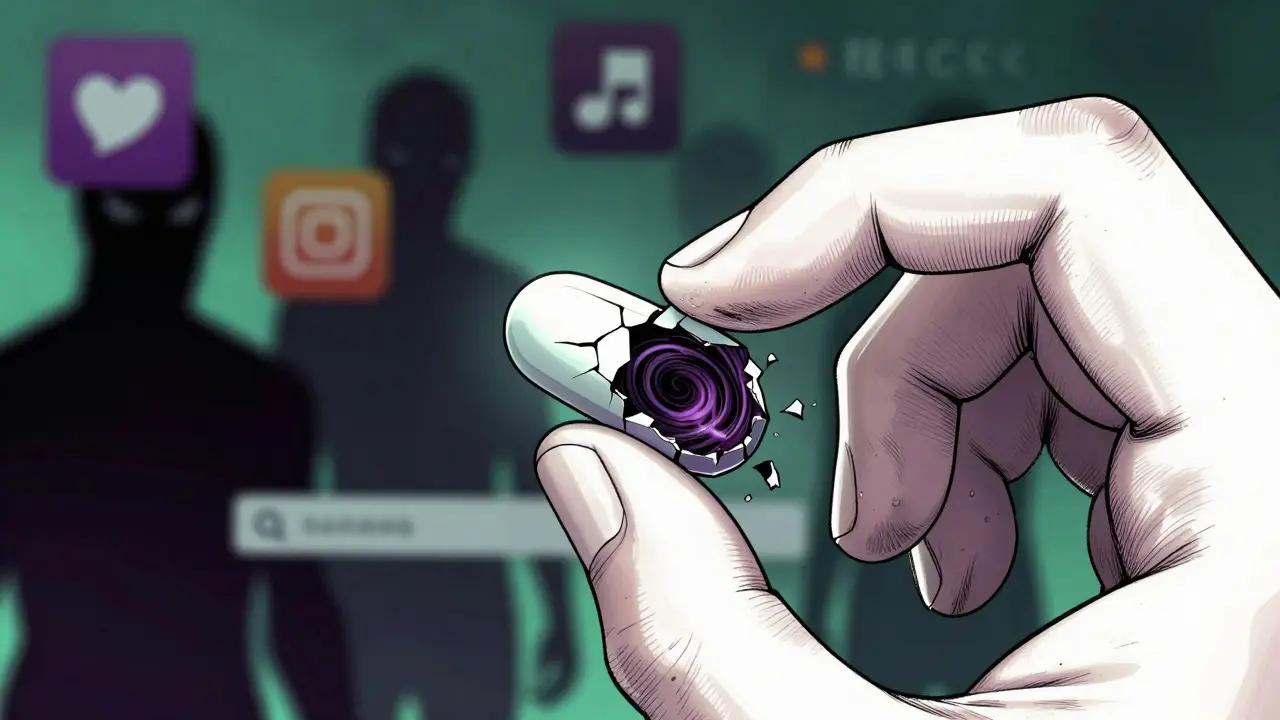
In North America, approximately 1 in 3 fake drug seizures occur. Between January and September 2021, U.S. Drug Enforcement Administration (DEA) agents seized nearly 10 million counterfeit pills. The danger here is invisible. A pill might look exactly like your prescribed oxycodone, but inside, it could contain fentanyl-a synthetic opioid 50 times stronger than morphine. More than 55% of overdose deaths between 2019 and 2021 involved counterfeit oxycodone.
This trend is fueled by social media and unregulated online marketplaces. Fentanyl is now the leading cause of death for Americans aged 18 to 45. If you buy medications from non-pharmacy sources, such as Instagram vendors or sketchy websites, you are gambling with your life. Always verify the source. If the price seems too good to be true, it probably is.
| Error Source | Risk Level | Key Statistic | Primary Vulnerable Group |
|---|---|---|---|
| Hospital IV Administration | Very High | 48-53% error rate | Inpatients |
| Counterfeit Online Pills | Critical (Fatal) | 10M+ seizures in 9 months (2021) | Young Adults (18-45) |
| Home Dosing Mistakes | Moderate to High | 2-33% occurrence rate | Elderly & Polypharmacy Patients |
| Antibiotic Prescribing | High | 20% of harm events | All Ages |
Regional Insights: Australia vs. The United States
How different countries handle medication safety reveals what works and what doesn’t. Australia has taken a robust approach to the WHO challenge. Their June 2024 Status Report shows tangible results from 16 priority actions aimed at reducing harm by 50% by 2025.
Australia has seen an 11% reduction in dispensing rates of antipsychotic medicines for people aged 65 and over between 2016-17 and 2020-21. They also recorded a 37% fall in unintentional drug-induced deaths involving opioids since 2018. How? Through strict regulation of access and real-time prescription monitoring systems. When doctors prescribe opioids, the system flags potential misuse immediately.
In contrast, the United States faces growing threats from supply chain vulnerabilities. The Centers for Medicare & Medicaid Services (CMS) updated its 2025 Patient Safety measures to include 16 specific metrics, focusing on adherence to statins, hypertension meds, and diabetes drugs. However, the sheer volume of prescriptions and the fragmented insurance system make systemic oversight harder compared to Australia’s centralized model.
For patients in Melbourne or New York, the lesson is the same: leverage technology. Use apps that track your prescriptions. Ask your pharmacist about drug interactions. Don’t assume the system will catch everything.
Patient Power: Reducing Your Personal Risk
You cannot control how a nurse labels an IV bag, but you can control how you manage your own health. Patient medication errors at home occur between 2% and 33% of the time. Common mistakes include incorrect dosing, timing errors, and stopping medication early.
A Reddit analysis of the r/meds community revealed that 68% of medication-related posts involved confusion about dosage instructions. Another 22% concerned unexpected side effects that providers hadn’t explained. This gap in communication is your biggest vulnerability.
Here is how to protect yourself:
- Maintain an Updated Medication List: Keep a physical or digital list of every drug, supplement, and vitamin you take. Update it after every doctor visit.
- Use a Single Pharmacy: Consolidating all prescriptions at one pharmacy allows the pharmacist to run interaction checks across all your meds. Splitting prescriptions between three pharmacies triples your risk of missing a dangerous interaction.
- Ask the "Three Questions": For every new medication, ask: 1) What is this for? 2) How do I take it correctly? 3) What side effects should I watch for?
- Verify Appearance Changes: Generic substitutions are common. If your pill looks different-different color, shape, or imprint-call your pharmacist before taking it.
- Leverage the "5 Moments": The Australian Commission on Safety and Quality recommends reviewing meds when starting treatment, adding new meds, during care transitions (like leaving the hospital), managing high-risk drugs, and during regular reviews.
Future Trends: AI and Safety Technology
The future of medication safety lies in automation and artificial intelligence. The global patient safety market was valued at $7.8 billion in 2024 and is projected to reach $14.3 billion by 2029. A significant portion of this growth comes from AI-powered tools.
Experts predict that AI-driven medication reconciliation tools could reduce errors by up to 30% if implemented effectively by 2027. These systems scan your entire medical history, flagging interactions that a human might miss in a busy clinic. Infusion pump safety is also improving, though the FDA still reported over 200,000 pump-related events between 2023 and 2024. Newer pumps feature closed-loop systems that automatically adjust doses based on real-time glucose or blood pressure readings, removing human calculation from the equation.
Until these technologies become universal, the responsibility falls on you. Be the final checkpoint. Read the label. Call the pharmacist. Your health is too important to leave to chance.
What is the most common cause of medication errors?
The most common causes are system failures, including poor communication between healthcare providers, similar-looking drug packaging, and complex prescribing processes. Human error, such as misreading handwriting or miscalculating doses, contributes significantly, but experts emphasize that these are usually symptoms of flawed systems rather than individual negligence.
How many people die from medication errors annually?
In the United States, medication errors contribute to an estimated 7,000 deaths annually in hospitals alone. Globally, the number is much higher, with millions affected by harm each year. When including outpatient settings and home use, the total mortality impact is even greater, making it one of the leading causes of preventable death.
Are counterfeit drugs a real threat in developed countries?
Yes. In North America, 32% of fake drug seizures occur. The rise of online marketplaces and social media sales has made it easier for consumers to accidentally purchase counterfeit pills laced with lethal substances like fentanyl. DEA seizures of over 10 million counterfeit pills in nine months in 2021 highlight the scale of this issue.
Which medications have the highest risk of harm?
Antibiotics account for the highest proportion of harm events (20%), followed by antipsychotics (19%), central nervous system drugs (16%), and cardiovascular medications (15%). Intravenous drugs also carry a very high risk due to the direct entry into the bloodstream.
How can I reduce my risk of medication errors at home?
You can reduce risk by using a single pharmacy for all prescriptions, maintaining an updated medication list, asking your provider clear questions about dosage and side effects, and verifying any changes in medication appearance. Using pill organizers and setting reminders can also help prevent timing errors.