Did you know that over 1.5 million people visit emergency rooms every year in the United States because of problems with their medicines? That number is staggering. It isn’t just about taking a pill at the wrong time; it’s about serious harm caused by errors that often could have been prevented if patients spoke up. The good news is that you don’t need a medical degree to protect yourself. You just need to know the right language.
Understanding key medication safety terms gives you the power to verify your care, catch mistakes before they happen, and work as a true partner with your healthcare team. When you can articulate what is happening with your treatment, studies suggest you can cut your risk of preventable medication harm by up to 50%. Let’s break down the essential vocabulary that keeps you safe.
The Rights Framework: Your Verification Checklist
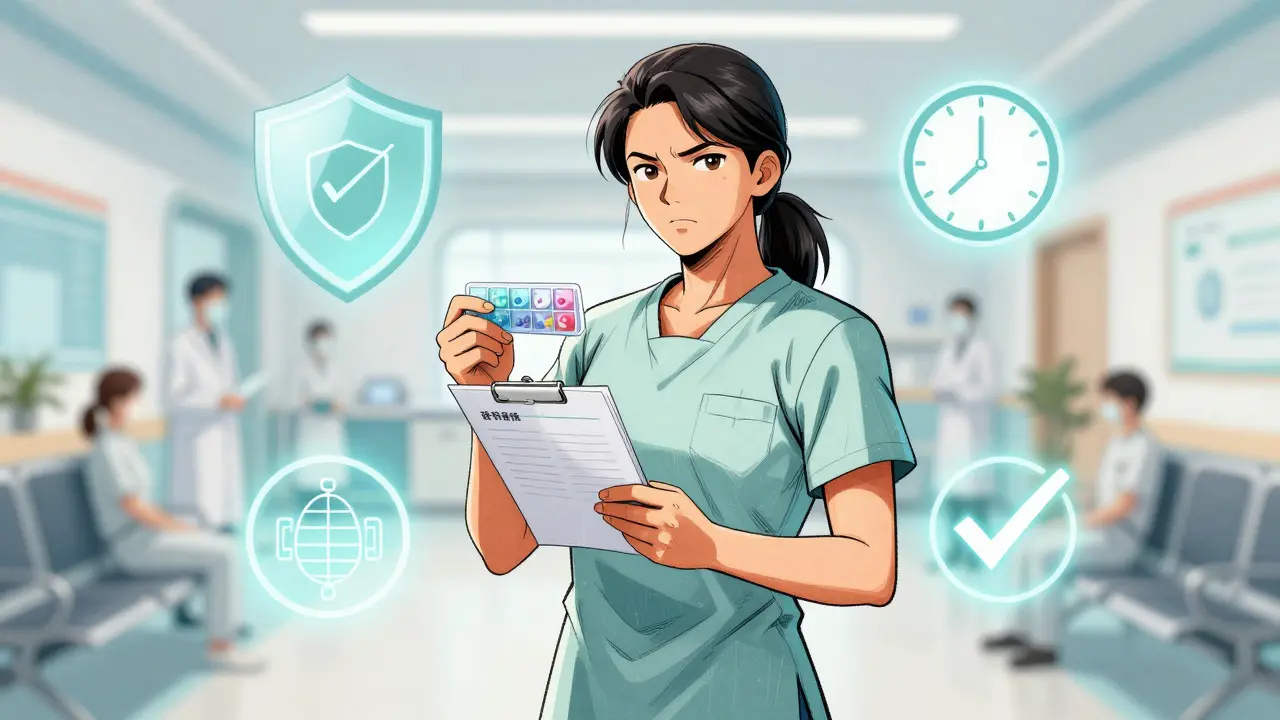
If you learn nothing else from this article, remember the "Rights." This framework started in the 1950s with five basic rules for nurses, but today it has evolved into eight critical checks that apply directly to you as a patient. These aren't just hospital policies; they are questions you should ask yourself and your providers.
| Right | What It Means for You | Key Question to Ask |
|---|---|---|
| Right Patient | Ensures the medicine is for you, not someone else. | "Can you confirm my name and date of birth?" |
| Right Drug | The medication matches the prescription exactly. | "Is this [Brand Name] or [Generic Name]?" |
| Right Dose | The amount is correct for your body weight and condition. | "How many milligrams (mg) am I taking?" |
| Right Route | The method of administration (pill, injection, cream). | "Do I swallow this, or does it go under the tongue?" |
| Right Time | Taking meds at intervals that keep levels stable in your blood. | "Should I take this with food or on an empty stomach?" |
| Right Reason | You understand why you are taking it. | "What specific symptom or disease is this treating?" |
| Right Documentation | Your record shows you received the med. | "Is this new prescription added to my chart?" |
| Right Response | Monitoring if the drug works and checking for side effects. | "What signs mean I should call the doctor immediately?" |
Notice how the list expanded? The original Five Rights focused on the mechanics of giving a drug. The modern Eight Rights add context-like the Right Reason and Right Response. Knowing the reason helps you spot if a nurse hands you a blood pressure pill when you’re there for an infection. Monitoring the response ensures you catch issues early.
Adverse Drug Events vs. Side Effects
One of the biggest sources of confusion for patients is the difference between a nuisance and a danger. You might hear the term Adverse Drug Event (ADE) and panic, or dismiss a serious symptom as just a "side effect." Let’s clear that up.
An Adverse Drug Event is any instance where a medication causes harm. This includes allergic reactions, overdose, or errors like getting the wrong dose. The Centers for Disease Control and Prevention (CDC) defines ADEs broadly because they represent a preventable patient safety problem. On the other hand, a side effect is a known, usually milder consequence of a drug working correctly, like drowsiness from an antihistamine.
Why does this distinction matter? Because 9% of preventable hospitalizations in 2022 were linked to patients confusing expected side effects with harmful ADEs. If you feel dizzy after starting a new blood pressure medication, is that normal adjustment or a sign of dangerously low pressure? Knowing the difference prompts you to call your doctor sooner rather than waiting until you fall.
High-Alert Medications: Proceed with Caution
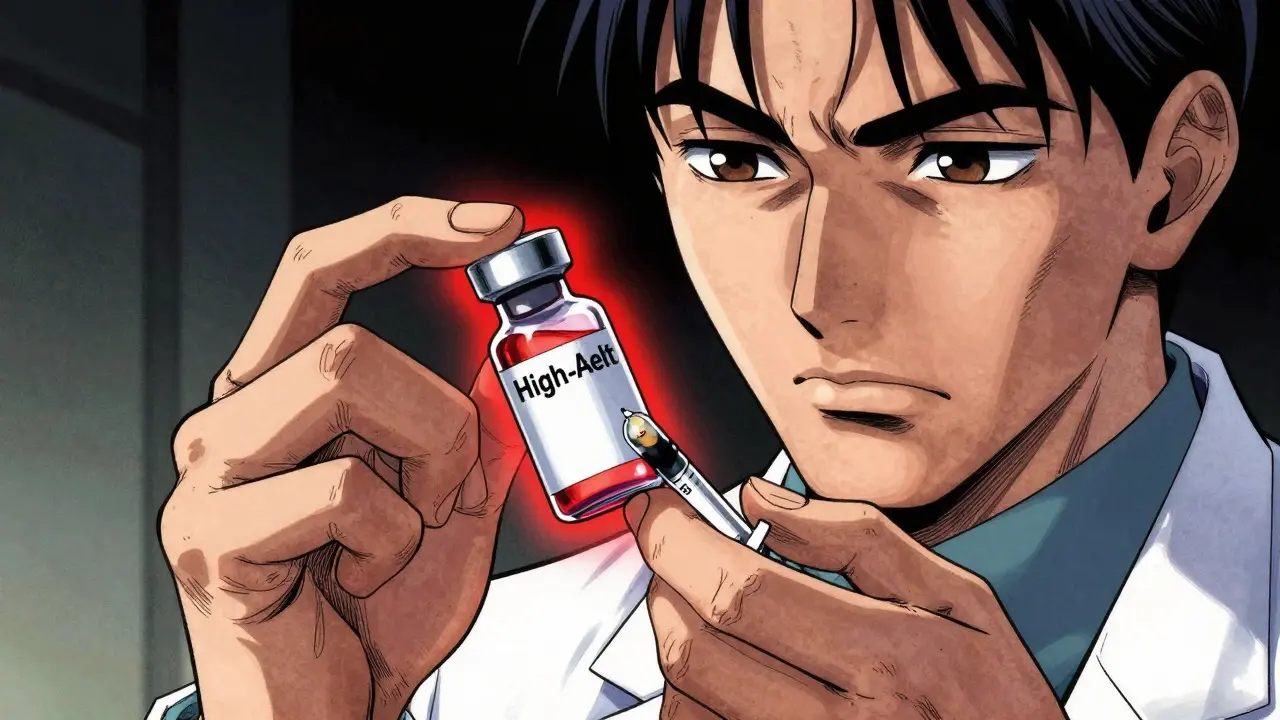
Not all pills are created equal. Some drugs carry a much higher risk of causing significant harm if even a tiny error occurs. The Institute for Safe Medication Practices (ISMP) calls these High-Alert Medications.
Think of these as the "heavy machinery" of pharmacology. They include insulin, opioids, blood thinners like warfarin, and intravenous potassium. According to ISMP data from 2021, these specific drugs accounted for 67% of fatal medication errors. Why? Because the margin for error is razor-thin. A small mistake in the dose of insulin can drop your blood sugar to dangerous levels within minutes.
If you are prescribed a high-alert medication, you should expect extra verification steps. Don’t be annoyed if your pharmacist double-checks your ID or asks you to repeat back the dosage. They are trying to save your life. You should also ask: "Are there generic alternatives that are safer for me?" Sometimes, a slightly different drug in the same class has a wider safety window.
Close Calls and Sentinel Events
You’ve probably heard of near-misses in driving-a car swerves to avoid hitting you. In healthcare, we call this a Close Call. It’s an event that could have resulted in injury or illness but didn’t, either by chance or quick intervention. Maybe a nurse caught a typo in your chart before dispensing the drug. Maybe you noticed the bottle looked different than usual and asked about it.
While close calls don’t cause direct harm, they are warning lights on the dashboard. They signal that the system is fragile. Pay attention to them. If you experience a close call, report it. Your feedback helps hospitals fix gaps before a real tragedy occurs.
At the other end of the spectrum is a Sentinel Event. Defined by The Joint Commission, this is an unexpected occurrence involving death or serious physical or psychological injury. A sentinel event related to medication might be a patient dying from an allergic reaction that wasn’t documented in their chart. These are rare but devastating. Understanding these terms helps you appreciate the gravity of accurate documentation and communication.
Putting It Into Practice: Your Action Plan
Knowledge is only useful if you use it. Here is how to integrate these terms into your daily health routine:
- Keep a Med List: Write down every drug, supplement, and vitamin you take. Include the brand name, generic name, dose, and frequency. Update it every time a doctor changes something.
- Use Technology: Apps like Medisafe, used by millions, incorporate the Eight Rights as checkpoints. They remind you of the Right Time and allow you to log your Right Response.
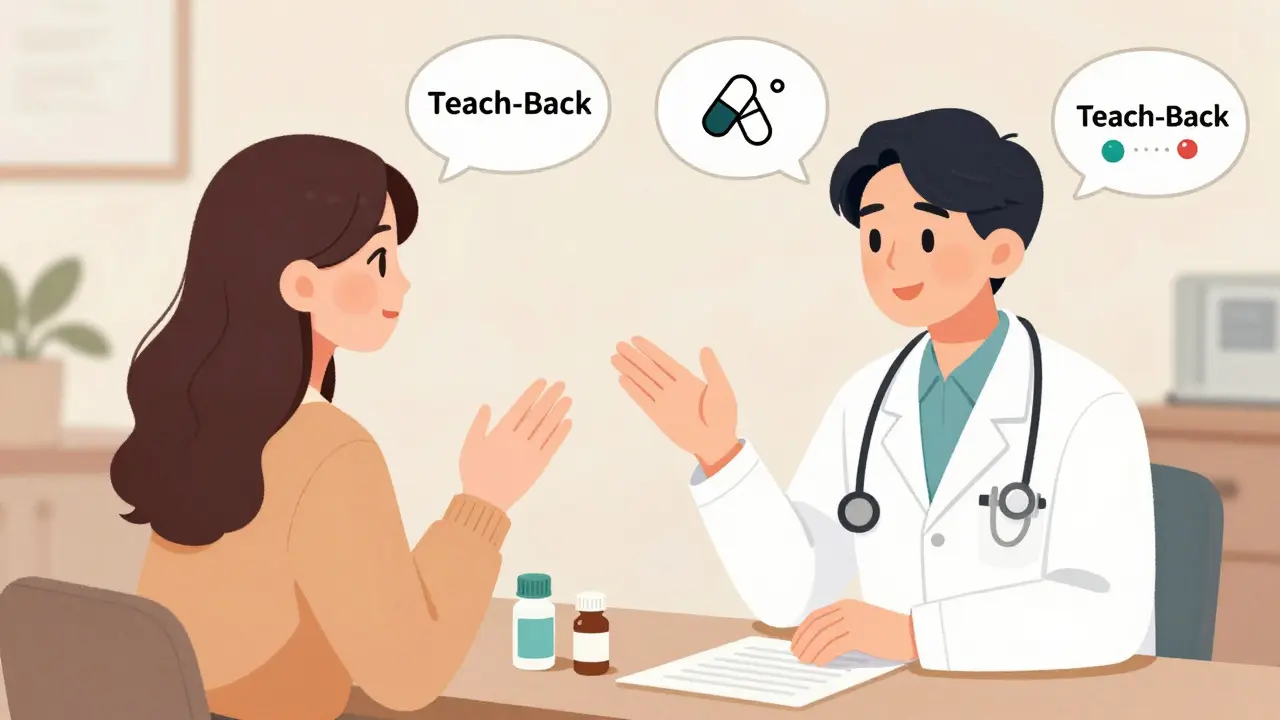
- Ask for Teach-Back: When a provider explains your meds, repeat it back in your own words. Say, "So, I’m taking this 10mg tablet twice a day for my cholesterol, and I should watch for muscle pain." This confirms the Right Reason and Right Dose.
- Verify Identifiers: Always ensure staff check two identifiers-your name and date of birth-before giving you any medication. This enforces the Right Patient rule.
- Monitor for Changes: Keep a simple journal of how you feel. Note any new symptoms. If you suspect an Adverse Drug Event, contact your provider immediately. Don’t wait for your next scheduled appointment.
Health literacy can be a barrier. Only 12% of U.S. adults have proficient health literacy, according to national assessments. That means most of us struggle with complex medical jargon. That’s okay. You don’t need to memorize chemical names. You just need to know the safety concepts. If a term doesn’t make sense, ask for a simpler explanation. Good doctors will respect your curiosity.
The Future of Patient Engagement
We are seeing a shift. The CDC reported a 22% increase in patients using safety terms during healthcare encounters between 2018 and 2023. This correlates with a 17% drop in reported adverse events among those engaged patients. Healthcare systems are catching on. The Joint Commission updated its National Patient Safety Goals in January 2024 to require hospitals to educate patients on these terms during discharge.
Digital tools are making this easier. Epic Systems, which powers most major U.S. hospitals, has implemented mandatory fields for "right reason" verification in patient portals. By 2030, the goal is for 90% of patients to recognize at least five key safety terms. You can help reach that target by starting today.
What are the 5 rights of medication administration?
The traditional five rights are: Right Patient, Right Drug, Right Dose, Right Route, and Right Time. These form the foundation of safe medication practice, ensuring that the correct person receives the correct medication in the correct amount, via the correct method, at the correct time.
What is the difference between a side effect and an adverse drug event?
A side effect is a known, often mild consequence of a drug working as intended, such as dry mouth from antidepressants. An Adverse Drug Event (ADE) is any harm caused by a medication, including allergic reactions, overdose, or errors. ADEs are more serious and often preventable.
What are high-alert medications?
High-alert medications are drugs that carry a heightened risk of causing significant patient harm if an error occurs. Examples include insulin, opioids, blood thinners, and chemotherapy agents. They require extra verification steps and careful monitoring.
Why is the 'Right Reason' important for patients?
Knowing the right reason helps patients verify that the medication aligns with their diagnosis. If you are taking a drug for heart failure but are given a pill for diabetes, understanding the purpose allows you to catch the error before taking it. It empowers active participation in care.
What is a close call in medication safety?
A close call is an event that could have resulted in injury or illness but did not, due to chance or timely intervention. For example, a pharmacist noticing a duplicate prescription before dispensing it. Reporting close calls helps improve system safety.
How can I track my medication responses effectively?
You can use a paper journal or a digital app to log when you take your meds and how you feel afterward. Note both positive effects (symptom relief) and negative ones (nausea, dizziness). Share this log with your doctor to adjust treatment based on the Right Response.