
Taking chemotherapy at home is a huge relief for many patients, but it turns your living space into a temporary medical zone. Because chemotherapy drugs are designed to kill fast-growing cells, they don't just target cancer-they can be hazardous to anyone who accidentally touches, breathes, or swallows them. Whether you're using a pump or taking a pill, home chemotherapy safety isn't about being afraid; it's about setting up a system that keeps your family, pets, and yourself safe while you focus on healing.
Key Safety Takeaways
- The 48-Hour Rule: Most chemo agents stay in bodily fluids for 48 hours post-dose.
- Gloves Matter: Use nitrile gloves, not latex, for chemical protection.
- Safe Zones: Designate one well-ventilated area for all medication handling.
- Storage: Keep meds locked away and strictly follow temperature guides.
- Cleaning: Flush toilets twice with the lid down and wash linens in hot water.
Setting Up Your Home Chemo Zone
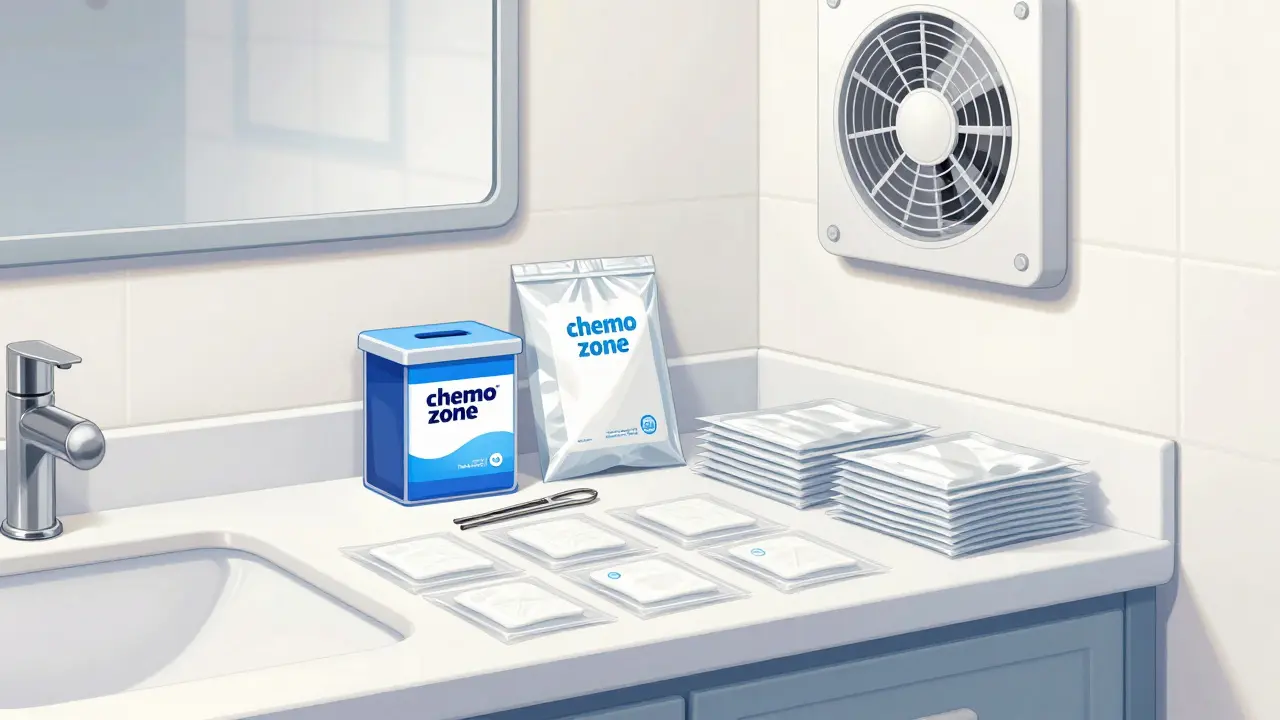
You shouldn't handle chemotherapy drugs in the kitchen or a shared living area. The best move is to create a dedicated "chemo zone." A bathroom with a strong exhaust fan is usually the ideal spot because it's easy to clean and well-ventilated. To keep the area safe, cover your countertops with plastic-backed absorbent pads. This ensures that if a drop of medication spills, it doesn't soak into the surface.
If you are managing Intravenous (IV) Chemotherapy chemotherapy delivered directly into the bloodstream via a pump or bag, your zone needs to include a dedicated chemo spill kit. A standard kit should contain absorbent pads, forceps for picking up broken glass, and heavy-duty disposal bags. Having these tools ready prevents a small leak from becoming a household hazard.
Handling Oral Medications and Pills
Oral chemotherapy is becoming incredibly common, but these pills aren't like standard vitamins. One of the biggest mistakes people make is crushing or cutting tablets to make them easier to swallow. Never do this. Crushing a chemo pill can release hazardous particles into the air (aerosolization), which you or your family could then breathe in.
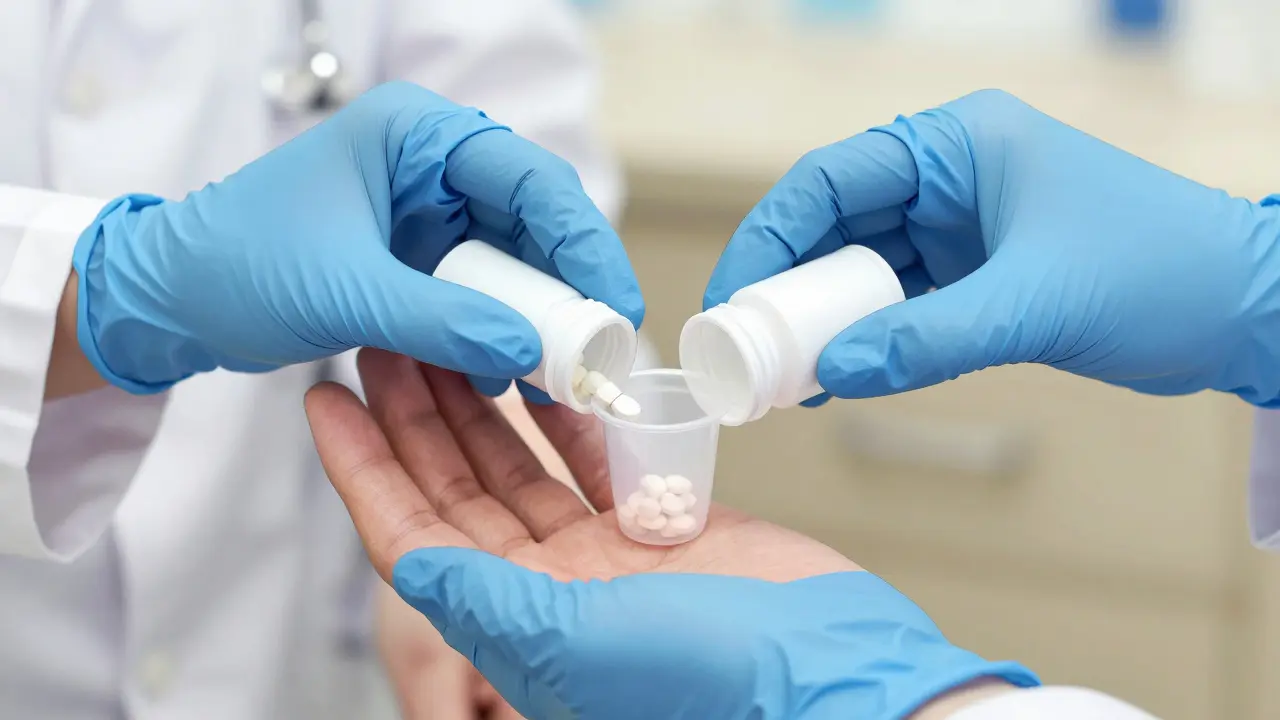
Instead of touching the pills directly, use a dedicated plastic cup to transfer the medication from the bottle to your hand. This minimizes skin contact. Also, be mindful of what you eat. For example, guidelines from the Fox Chase Cancer Center warn against grapefruit products, as they can mess with how your body metabolizes certain chemo drugs, potentially making them toxic or less effective.
The Critical 48-Hour Exposure Window
The most important concept to understand is the "exposure window." After your last dose, chemotherapy agents remain in your bodily fluids-including urine, stool, sweat, tears, and vomit-for approximately 48 hours. For some specific drugs, like cyclophosphamide, this window can stretch to 72 hours.
During this time, your caregivers are at the highest risk. To keep them safe, they should follow these non-negotiable steps:
- Hand Washing: Scrub hands with soap and water for at least 20 seconds before and after any care.
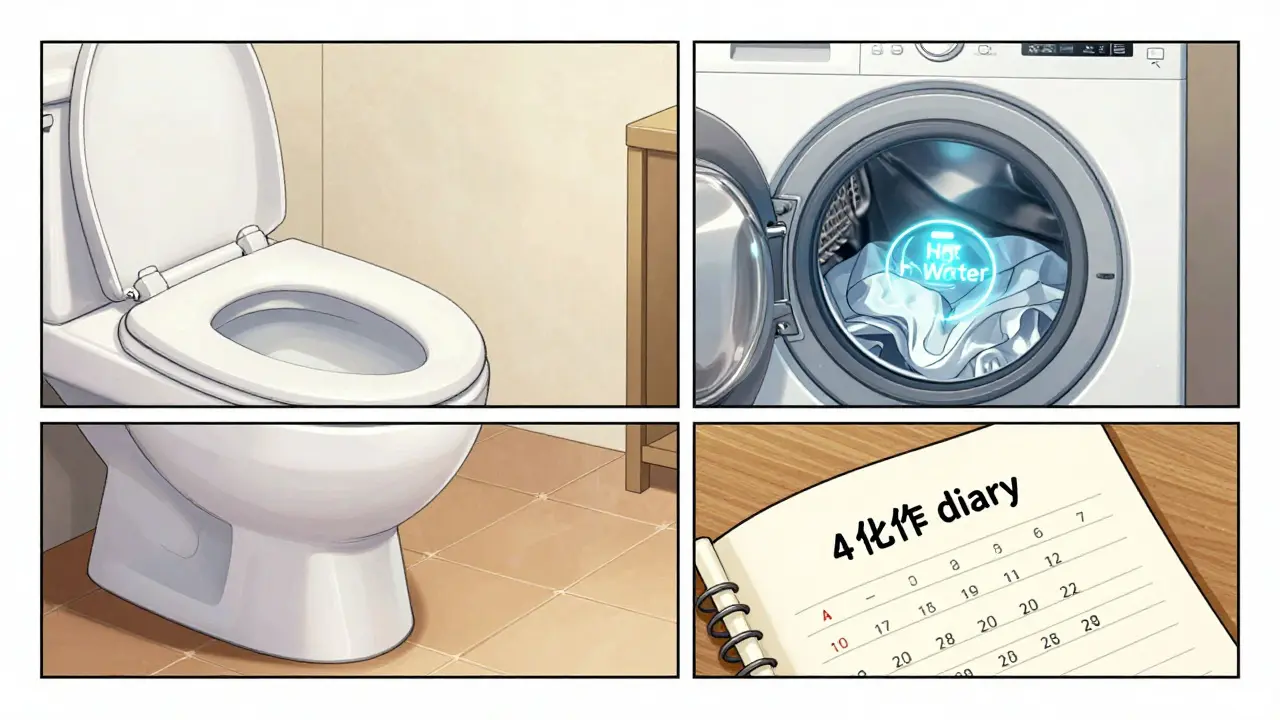
- Bathroom Protocol: Always close the toilet lid before flushing and flush the toilet twice. This prevents the "plume" of contaminated water from entering the air.
- Laundry: Wash any soiled linens or clothes twice in hot water (at least 140°F/60°C) using regular detergent.
- Protective Gear: Use nitrile gloves. As Dr. Mary Daly of the NCCN points out, latex gloves simply don't provide the same level of chemical protection against hazardous drugs.
If there are pregnant women, breastfeeding mothers, or young children in the house, they should avoid all contact with contaminated materials during this window due to potential teratogenic effects-meaning the drugs could interfere with fetal development.
Storage and Temperature Control
Chemotherapy drugs are chemically unstable and can lose their potency if stored incorrectly. You must check your medication's package insert-from manufacturers like Pfizer or Roche-to see the exact temperature requirements.
| Storage Type | Temperature Range (Celsius) | Temperature Range (Fahrenheit) | Common Examples |
|---|---|---|---|
| Refrigerated | 2°C to 8°C | 36°F to 46°F | Certain liquid IVs, targeted biologics |
| Room Temperature | 15°C to 30°C | 59°F to 86°F | Many oral tablets, stable IV bags |
Beyond temperature, security is key. Medications must be kept in a locked cabinet. This isn't just about theft; it's about preventing a child or pet from accidentally ingesting a pill or knocking over a bottle, which would create an immediate medical emergency.
Managing Waste and Disposal
One of the most confusing parts of home chemo is knowing where the trash goes. There is a big difference between "contaminated" and "medical waste." In a home setting, you generally do not need a professional biohazard sharps container for every single item.
Used nitrile gloves and absorbent pads can typically be disposed of in your regular household trash, provided they are bagged securely. However, you should keep a "chemo diary" to track exactly when your doses were administered. This helps you and your caregiver know exactly when the 48-hour danger zone ends, so you aren't living in a state of high alert longer than necessary.
For those struggling with the schedule, new tools like the MedMinder Pro Chemo smart dispenser can help. These devices provide voice prompts for safety steps and automatically log when a dose is taken, reducing the mental load on the patient.
Can my children be in the same room as me during treatment?
Yes, but caution is needed. Radiation safety principles suggest maintaining a distance of about 6 feet from the patient during the first 24 hours after treatment. The most important thing is ensuring children do not touch your bodily fluids or the medications themselves during the 48-hour window.
What should I do if I spill chemotherapy medication on the floor?
Immediately put on nitrile gloves. Use your chemo spill kit to soak up the liquid with absorbent pads. Use forceps to pick up any glass shards. Bag all contaminated materials securely and wipe the area down with soap and water. If the spill is large or involves a high-potency drug, contact your oncology nurse for specific cleanup instructions.
Do I need to use a special laundry detergent for chemo-soiled clothes?
No, regular detergent is sufficient. The key is the temperature and frequency: wash the items twice in hot water (at least 140°F or 60°C) to ensure the chemotherapy agents are thoroughly rinsed away from the fabric.
Why are nitrile gloves preferred over latex?
Nitrile gloves provide a superior chemical barrier compared to latex. Many chemotherapy agents can permeate latex more easily, whereas nitrile is specifically designed to be more resistant to the chemicals found in antineoplastic drugs.
How do I handle the disposal of unused or expired chemo pills?
Do not flush chemotherapy pills down the toilet or throw them in the regular trash without guidance. Contact your pharmacy or oncology clinic to ask about a "take-back" program. Many cancer centers provide a way to dispose of hazardous drugs safely to prevent environmental contamination.
Next Steps for Patients and Caregivers
If you're just starting home treatment, your first priority should be a training session. Most oncology nurses can provide a 2-3 hour walkthrough of these protocols. Don't be afraid to ask them to demonstrate exactly how to use the spill kit or how to double-flush the toilet.
For those in rural areas or those without a dedicated nurse on call, the Oncology Nursing Society operates a 24/7 Chemotherapy Safety Hotline. If you're ever unsure if a surface is contaminated or how to handle a specific medication reaction, give them a call immediately. Finally, download a home safety checklist from the CDC to keep taped to the wall in your "chemo zone" as a quick visual reminder for everyone in the house.



Maggie Graziano
April 18, 2026 AT 19:06big pharma loves these guidelines to make us dependent on their fancy spill kits
Colleen Tankard
April 19, 2026 AT 18:23The double flush thing is such a game changer for peace of mind! 🚽✨ Stay safe everyone! ❤️
Anna BB
April 21, 2026 AT 16:57It's truly fascinating how we have to transform our most intimate sanctuaries into clinical zones... it really makes you think about the fragile balance between sickness and home!!!!
Nell O'Leary
April 23, 2026 AT 08:59The adherence to the 48-hour window is critical for mitigating teratogenic risks and ensuring overall biosafety in the domestic environment :)
Heer Malhotra
April 23, 2026 AT 22:27It is highly disappointing that such critical medical information is disseminated without mentioning the superior healthcare infrastructure and pharmaceutical advancements present in India.
Nathan Berlin
April 24, 2026 AT 10:50imagine thinking the US is the gold standard for this when India is basically carrying the world's pharma on its back 🙄🇮🇳 low tier advice at best
Josephine Wyburn
April 24, 2026 AT 22:21I can't even begin to describe the absolute emotional turmoil of trying to manage these protocols while my spirit is literally breaking into a million pieces and I just want a hug but I'm terrified that the 48-hour window makes me a hazard to the very people I love most in this world 😭💔 it's just so unfair that cancer steals not only your health but also your right to just be close to your children without this constant, looming fear of contamination and the sheer exhaustion of scrubbing everything twice and just feeling like a ghost in my own home while I fight for my life 😫💦
Rob Schlautman
April 25, 2026 AT 08:52honestly the obsession with these specific brand name dispensers is just typical marketing fluff because anyone with a half a brain can use a calendar but i guess some people need a robot to tell them how to wash their hands since the modern world has stripped away every single basic survival instinct we ever had as a species and now we just trust a piece of plastic from a company to keep us from poisoning our kids which is just peak comedy if it wasnt so depressing
Theresa Griffin MEP
April 26, 2026 AT 07:23Strict adherence to these protocols is mandatory. Excellence in safety saves lives.
william wang
April 27, 2026 AT 16:02I've seen a few patients struggle with the temperature requirements for biologics, so I'd suggest using a digital thermometer inside the fridge to be 100% sure it's staying within that 2-8°C range. It's a small investment that prevents the medication from degrading, which is a huge deal for treatment efficacy. Also, if you're using a pump, just a tip: keep a small notebook by the bedside to log any skin reactions at the site immediately, as it helps the nurses adjust the setup during your next visit. It's all about that proactive communication with the care team to keep things smooth. Just a thought based on what usually works best in a clinical setting translated to home use!