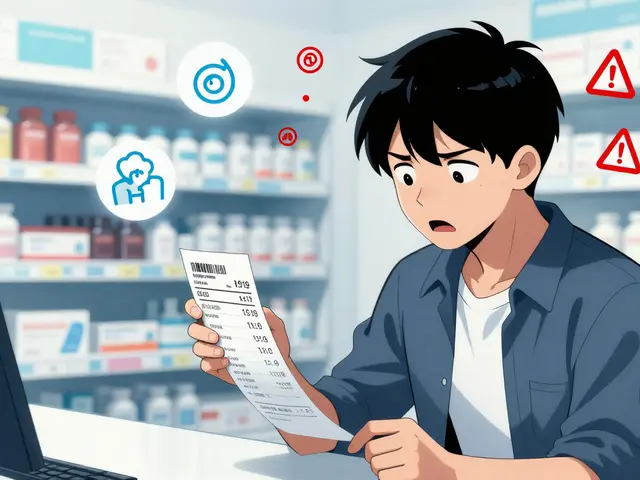
Imagine taking your daily heart medication, only to discover later that the dosage was wrong because of a simple transcription error. It sounds like a nightmare scenario, but it happens more often than you might think. Medication safety is the prevention of errors and adverse events throughout the entire medication use process, from prescribing to monitoring. It is no longer just a clinical checklist item; it has become a critical public health priority.
The scale of this issue is staggering. According to data from the World Health Organization (WHO) in 2025, the global cost associated with medication errors hits approximately $42 billion USD annually. In the United States alone, the National Community Pharmacists Association (NCPA) reports that medication non-adherence contributes to $300 billion in avoidable healthcare costs and roughly 125,000 preventable deaths every year. These aren't just statistics on a page; they represent real people, real families, and a system under immense pressure.
The Rising Tide of Adverse Drug Events
So, why is this such a huge deal right now? The landscape of medicine is changing faster than ever. Between 2000 and 2023, the FDA approved 3,200 new molecular entities. That’s a lot of new drugs entering the market. Add to that the fact that 75% of generic drugs have had expanded indications since 2010, and you get a complex web of interactions that even experts struggle to navigate.
Then there’s the demographic shift. By 2030, 21% of the U.S. population will be aged 65 or older. Older adults often take multiple medications for various chronic conditions, which drastically increases the risk of adverse drug events (ADEs). The Centers for Disease Control and Prevention (CDC) reports that ADEs cause more than 1.5 million emergency department visits each year in the U.S. With 215 billion days of therapy administered in 2024-a 1.7% increase from the previous year-the sheer volume of medication usage makes safety protocols non-negotiable.
| Metric | Data Point | Source/Context |
|---|---|---|
| Global Cost of Errors | $42 Billion USD/year | WHO Data 2025 |
| U.S. ED Visits from ADEs | 1.5 Million+ | CDC Report |
| New Drugs Approved (2000-2023) | 3,200 | FDA Data |
| Preventable Deaths (Non-adherence) | 125,000/year | NCPA Estimate |
The Threat of Counterfeit and Substandard Drugs
It’s not just about mistakes made by well-meaning professionals. The threat of substandard and falsified (SF) drugs is growing rapidly. The U.S. Drug Enforcement Administration (DEA) seized more than 80 million fentanyl-laced counterfeit tablets in 2023 alone. This isn’t a distant problem; it’s a direct attack on public health. Fentanyl is now the leading cause of death for Americans aged 18-45, according to ECRI’s 2025 alert on persistent medication errors.
This crisis highlights why medication safety must extend beyond hospital walls. It involves supply chain security, regulatory oversight, and public awareness. The FDA’s final rule on drug supply chain security requires full implementation of the Drug Supply Chain Security Act (DSCSA) by November 27, 2025. This means electronic, interoperable tracing of prescription drugs at the package level. While this is a step forward, experts warn that without accelerated regulatory interventions, counterfeit drug incidents could increase by 25% annually through 2026.
Technology as a Double-Edged Sword
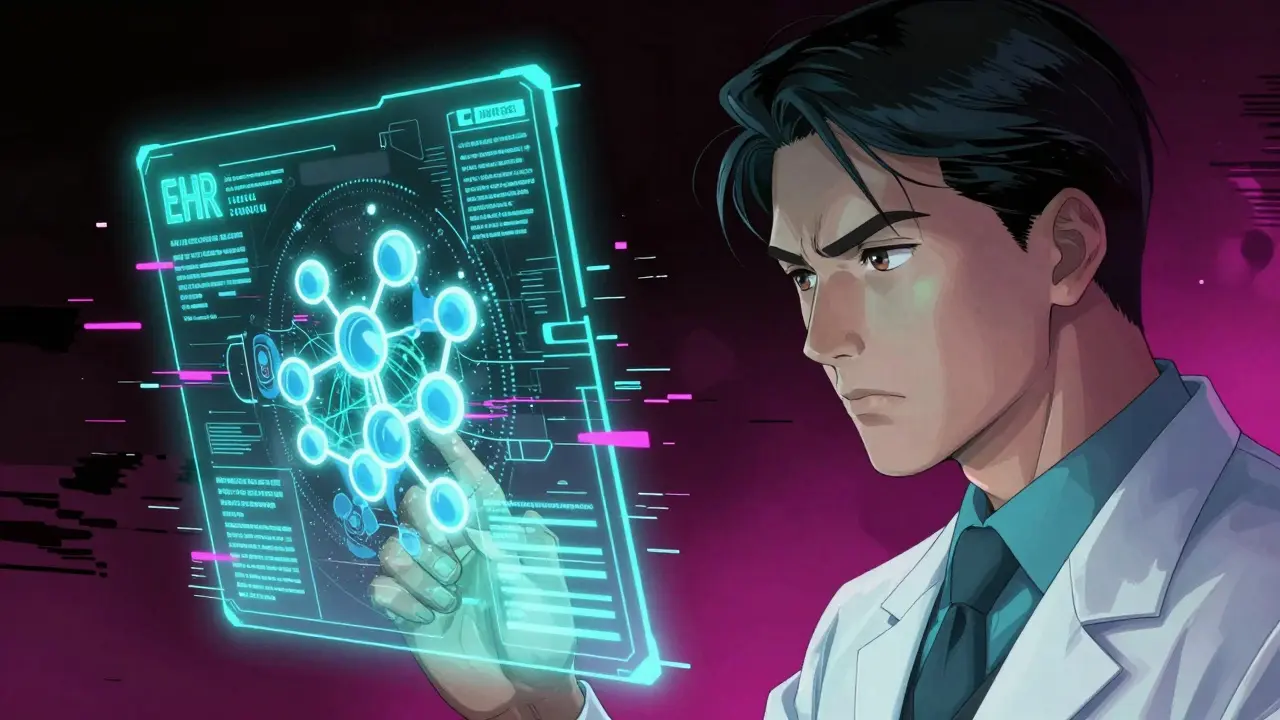
We often look to technology as the silver bullet for these problems, and in many ways, it is. Electronic health records (EHRs) equipped with clinical decision support systems can reduce prescribing errors by 55%, according to a 2024 JAMA Internal Medicine study. Barcode-assisted medication administration (BCMA) systems have been shown to decrease administration errors by 86% in a 2023 BMJ Quality & Safety meta-analysis.
However, technology isn’t perfect. A 2024 thread on Reddit’s r/HealthIT community revealed that 68% of nurses experienced at least one near-miss medication error per month due to look-alike/sound-alike drug names. Furthermore, 43% of pharmacists reported intercepting prescription errors involving incorrect dosing caused by poor EHR interface design. Technology helps, but if the human factors engineering isn’t right, it can introduce new risks.
Artificial intelligence is also stepping into the ring. AI applications for medication safety prediction are showing 73% accuracy in identifying high-risk patients, according to Sharma et al.’s 2025 PMC publication. Dr. David Bates of Brigham and Women’s Hospital forecasts that AI-driven systems could reduce preventable medication harm by 35% by 2027. But until then, we rely on a mix of tech and human vigilance.
The Human Factor: System Failures vs. Individual Error
For years, the focus was on blaming individual practitioners for mistakes. But the tide is turning. Dr. Roseanne Sayther’s 2024 commentary in JAMA Internal Medicine argues that current efforts focus too heavily on individual negligence. Her analysis showed that 89% of medication errors stem from system failures, not individual carelessness.
This shift in perspective is crucial. It means we need better systems, not just stricter penalties for doctors and nurses. One major area of failure is medication reconciliation during care transitions. A 2024 Annals of Internal Medicine analysis of 15,000 patient transitions found that 67% of patients experienced at least one unintentional medication discrepancy when moving from hospital to home. Communication breakdowns are rampant. The American Hospital Association’s 2024 survey found that 76% of patients reported experiencing at least one communication issue about their medications during hospitalization.
Economic Impact and Return on Investment
If you’re a healthcare administrator, you might be wondering about the bottom line. Here’s the good news: investing in medication safety pays off. Dr. Donald Berwick, former CMS Administrator, published a 2024 Health Affairs analysis showing that every $1 invested in medication safety interventions generates $7.50 in healthcare savings. Pharmacist-led interventions are particularly effective, demonstrating a return of $13.20 per dollar invested.
Pharmacist-led medication regimen management (MRM) interventions increase adherence by 40% and generate an average of $1,200 in annual savings per patient, according to the PharmD Live 2025 report. Programs like Geisinger Health’s pharmacist-led medication therapy management achieved 89% adherence rates for chronic conditions and reduced hospital readmissions by 27%. These aren’t just numbers; they represent healthier populations and less strain on emergency services.
Global Perspectives and Best Practices
The U.S. is advanced in technology adoption, but it lags in system-wide coordination compared to some other nations. For instance, the Netherlands reduced medication errors by 44% through its national Medication Safety Program, which mandates standardized electronic prescribing across all settings. The UK’s National Health Service achieved a 30% reduction in serious medication errors through its centralized National Reporting and Learning System.
In contrast, the U.S. approach remains somewhat fragmented. Only 38 states require formal certification for pharmacy technicians as of January 2025. Moreover, ECRI’s 2025 analysis found that only 14% of medication errors are formally reported in U.S. healthcare settings. This underreporting makes it difficult to identify trends and implement broad fixes.
What is the WHO's goal for medication safety?
The WHO launched the 'Medication Without Harm' challenge in 2017 with the goal of reducing severe avoidable medication-related harm by 50% globally within five years. As of 2025, high-income countries have achieved a 28% reduction, while low- and middle-income countries have seen a 12% reduction.
How much do medication errors cost the healthcare system?
Globally, medication errors cost an estimated $42 billion USD annually. In the U.S., medication non-adherence alone contributes to $300 billion in avoidable healthcare costs and 125,000 preventable deaths each year.
Are technology solutions like EHRs effective in preventing errors?
Yes, but with caveats. EHRs with clinical decision support can reduce prescribing errors by 55%, and barcode systems can cut administration errors by 86%. However, poor interface design can still lead to errors, so human factors engineering is essential.
What is the biggest barrier to medication safety in hospitals?
Communication issues during care transitions are a major barrier. Studies show that 67% of patients experience at least one unintentional medication discrepancy when transitioning from hospital to home care.
How can patients help ensure their own medication safety?
Patients should maintain an updated list of all medications, ask questions about side effects and interactions, use pill organizers, and verify instructions at discharge. Engaging actively in their care reduces the risk of miscommunication.