
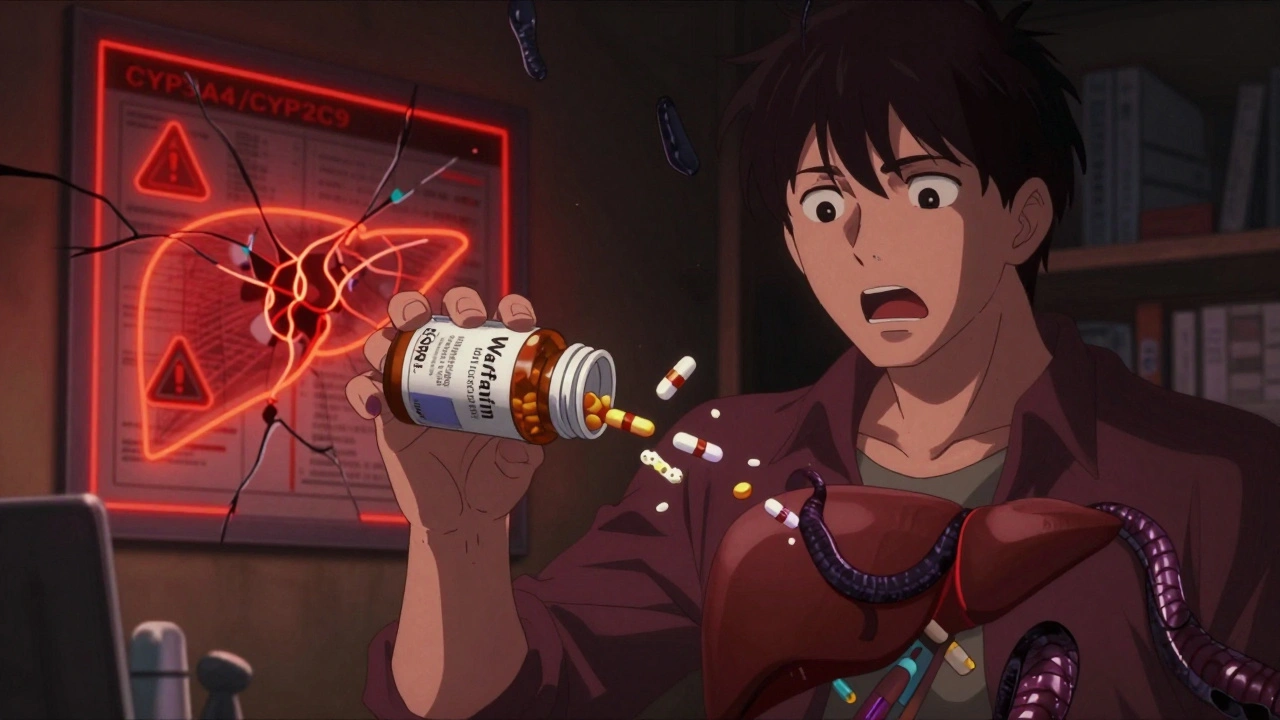
Many people turn to St. John’s Wort because it’s natural, widely available, and marketed as a gentle fix for low mood. But what they don’t realize is that this herb can quietly sabotage their prescription meds-sometimes with life-threatening results. If you’re taking anything from birth control to blood thinners to antidepressants, St. John’s Wort could be making your medications useless-or worse, turning them toxic.
How St. John’s Wort Changes How Your Body Processes Medicine
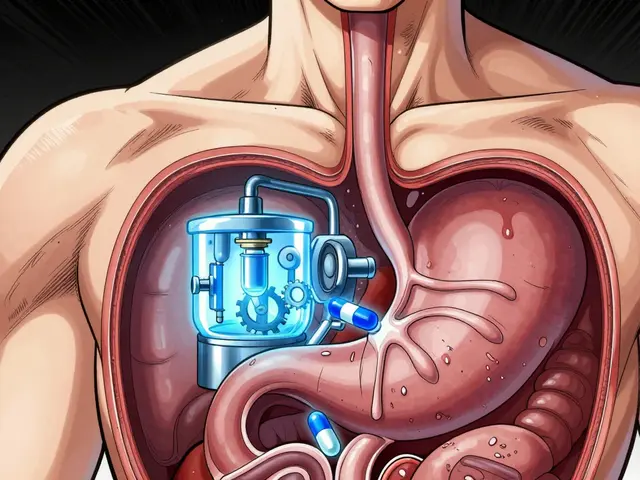
St. John’s Wort doesn’t just sit quietly in your system. It actively rewires how your liver and gut handle drugs. Its main active compounds-hyperforin and hypericin-trigger your body to crank up production of enzymes called CYP3A4 and CYP2C9. These enzymes are like molecular shredders: they break down drugs so your body can flush them out. When St. John’s Wort wakes them up, your meds get destroyed faster than they should.
This isn’t theoretical. The St. John’s Wort interaction with warfarin, for example, is well-documented. People taking warfarin to prevent blood clots can suddenly see their INR levels drop-meaning their blood starts clotting again. One case reported by the Therapeutic Goods Administration in Australia showed a patient develop a pulmonary embolism after starting St. John’s Wort. That’s not a coincidence. It’s a direct result of the herb speeding up how fast warfarin leaves the body.
The same thing happens with birth control pills. The hormones in oral contraceptives get broken down too quickly, leading to breakthrough bleeding or, worse, unplanned pregnancy. Studies show the failure rate of birth control can jump significantly when taken with St. John’s Wort-even if you’ve never missed a pill.
Drugs That Stop Working (And Why)
St. John’s Wort doesn’t just affect one type of medication. It hits a wide range. Here’s what’s at risk:
- Antidepressants (SSRIs like sertraline, fluoxetine): Combining them with St. John’s Wort can cause serotonin syndrome-a dangerous spike in serotonin that leads to rapid heart rate, high fever, confusion, and muscle rigidity. In severe cases, it can be fatal.
- Immunosuppressants (cyclosporin, tacrolimus): Organ transplant patients who take these to prevent rejection can end up rejecting their new organ if St. John’s Wort drops drug levels too low.
- Antiseizure drugs (phenytoin, carbamazepine): These drugs keep seizures under control. St. John’s Wort lowers their concentration, leading to breakthrough seizures-even in people who’ve been seizure-free for years.
- HIV medications (protease inhibitors, NNRTIs): This is critical. A drop in drug levels means the virus can rebound, develop resistance, and become harder to treat. The FDA has issued warnings about this interaction since the early 2000s.
- Methadone: Used for pain and addiction treatment, methadone levels can crash when mixed with St. John’s Wort. Patients have reported withdrawal symptoms, intense cravings, and even relapse after starting the herb.
- Anticoagulants (rivaroxaban, apixaban): These newer blood thinners aren’t safer. St. John’s Wort reduces their effectiveness just like warfarin.
- Anti-migraine drugs (triptans like sumatriptan): The combo can trigger serotonin syndrome, even if you’re not on an antidepressant.
- Statins (atorvastatin, simvastatin): Lowered levels mean higher cholesterol-defeating the whole purpose of the medication.
- Proton pump inhibitors (omeprazole): St. John’s Wort can make acid reflux meds less effective, leading to worsening symptoms.
And here’s the kicker: you won’t always know it’s happening. No warning signs. No sudden dizziness. Just a gradual loss of control over your condition-until something goes wrong.
The Hidden Danger: Stopping St. John’s Wort
Most people think the risk ends when they stop taking the herb. But that’s not true. When you quit St. John’s Wort, your liver enzymes slow back down. Suddenly, your body isn’t breaking down your meds as fast. That means drug levels in your blood can spike-sometimes dangerously.
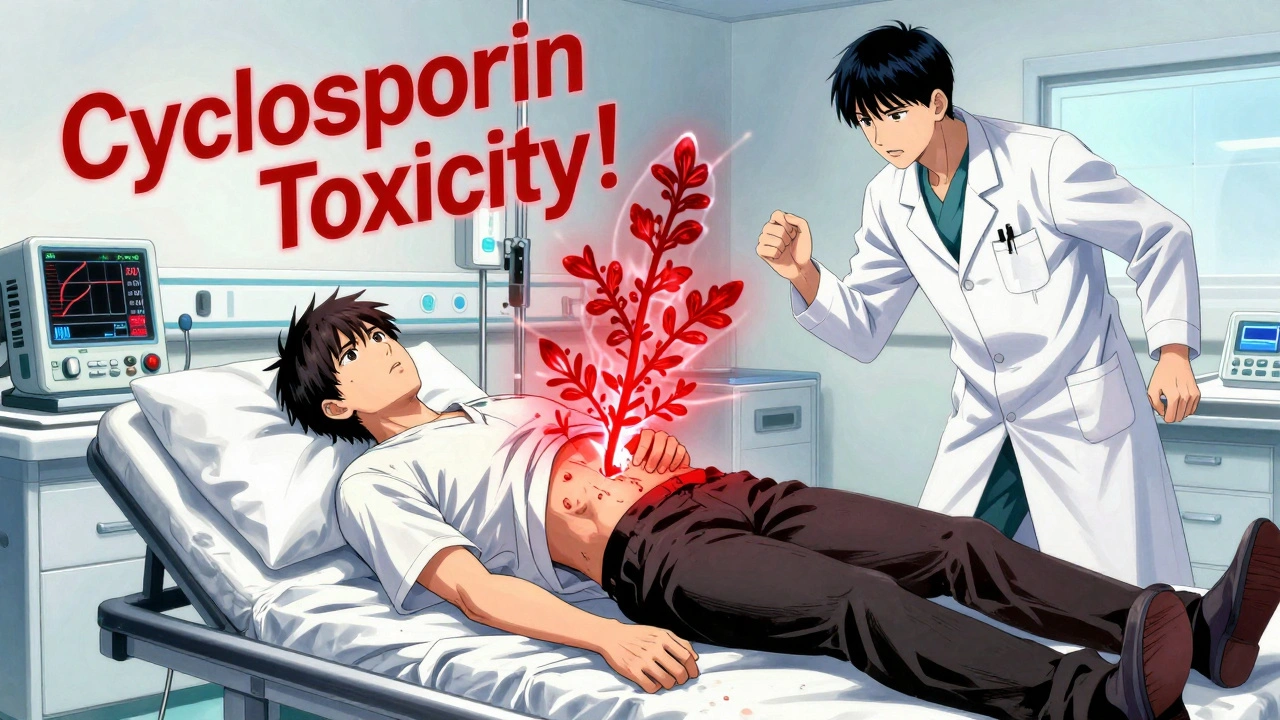
One Australian case involved a kidney transplant patient who stopped St. John’s Wort and developed cyclosporin toxicity. His creatinine levels soared. He needed emergency treatment. He wasn’t taking more of his transplant drug-he was taking the same dose. But his body couldn’t clear it anymore.
This is why doctors advise tapering off St. John’s Wort slowly and monitoring blood levels of critical medications for weeks after stopping. It’s not a quick fix. It’s a long-term adjustment.
Why So Many People Don’t Realize the Risk
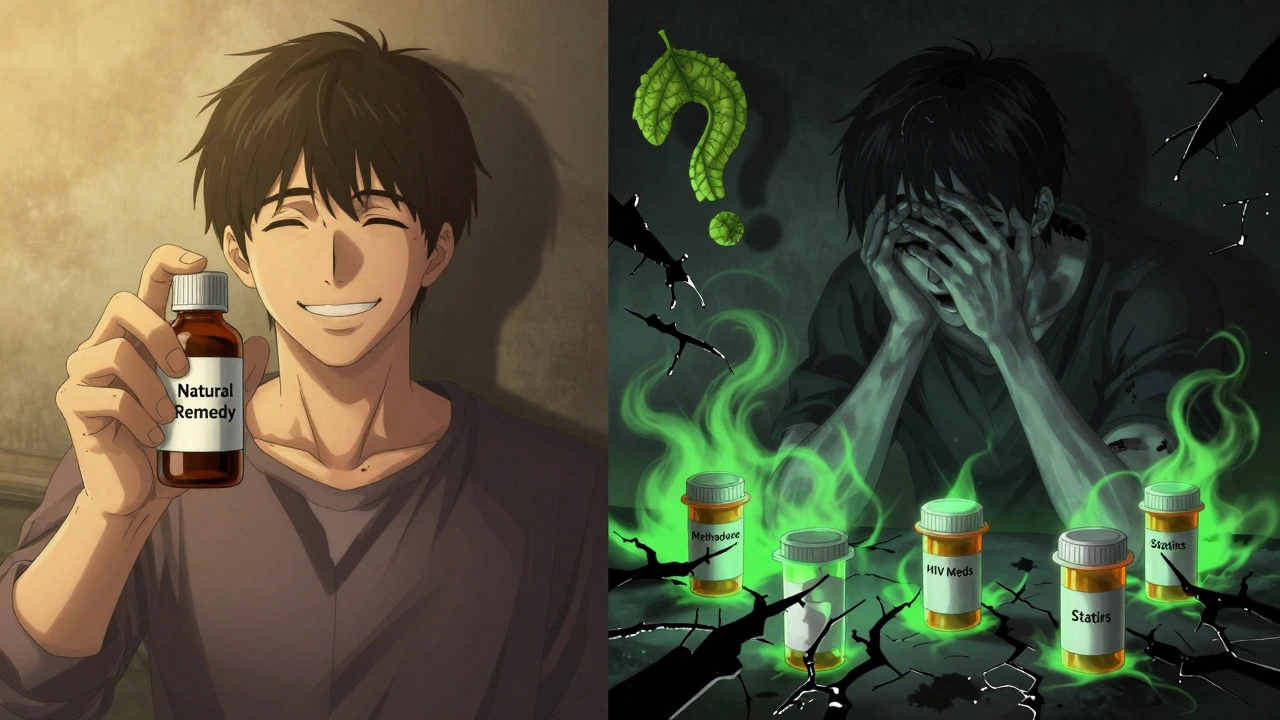
St. John’s Wort is sold as a supplement, not a drug. That means it doesn’t go through the same safety checks as prescription meds. Labels often say “natural” or “herbal remedy,” making people assume it’s harmless. But “natural” doesn’t mean safe. Aspirin comes from willow bark. Digitalis comes from foxglove. Nature is full of powerful chemicals.
Many patients don’t tell their doctors they’re taking it. They think it’s not “real medicine.” But your pharmacist should know. Your GP should know. If you’re on any prescription, especially for mental health, heart conditions, or chronic illness, you need to speak up.
The Therapeutic Goods Administration in Australia and the UK’s Committee on Safety of Medicines both pushed for warning labels on St. John’s Wort products. Sweden requires them. The U.S. doesn’t. That means you’re on your own unless you ask the right questions.
What You Should Do Right Now
If you’re taking St. John’s Wort and any prescription medication, here’s what to do:
- Don’t stop your meds. Stopping suddenly can be dangerous.
- Call your doctor or pharmacist. Tell them exactly what you’re taking-including dosage and how long you’ve been using it.
- Ask about alternatives. If you’re using St. John’s Wort for depression, there are safer herbal options like saffron or omega-3s-with fewer interactions. Or, talk about FDA-approved antidepressants that won’t clash with your other meds.
- Check your birth control. If you’re on the pill and taking St. John’s Wort, use backup contraception until you’ve spoken to your provider.
- Keep a written list. Include every supplement, vitamin, and herb you take. Bring it to every appointment.
There’s no such thing as a harmless supplement when you’re on prescription drugs. St. John’s Wort is one of the most dangerous herbs in this space-not because it’s toxic on its own, but because it quietly steals the power from medications you depend on.
When St. John’s Wort Might Be Okay
Is there any scenario where it’s safe? Only if you’re not taking any prescription drugs at all-and even then, proceed with caution. Side effects like dry mouth, dizziness, or increased sun sensitivity (photosensitivity) are common. People with bipolar disorder can trigger manic episodes. Pregnant women should avoid it entirely.
If you’re considering it for mild depression, talk to a mental health professional first. There are proven, regulated treatments that don’t risk your other medications. St. John’s Wort might feel like a gentle solution, but it’s a gamble with your health.
Can St. John’s Wort interact with over-the-counter medications?
Yes. Even OTC drugs like fexofenadine (Allegra), pseudoephedrine (Sudafed), and certain pain relievers can be affected. St. John’s Wort can reduce their effectiveness or cause unexpected side effects. Always check with a pharmacist before mixing any supplement with OTC meds.
How long does St. John’s Wort stay in your system?
It can take up to two weeks for the enzyme-inducing effects to wear off after stopping. This is why doctors recommend waiting at least 14 days before starting a new medication that interacts with it. For critical drugs like immunosuppressants or blood thinners, monitoring may be needed for longer.
Are all St. John’s Wort supplements the same?
No. The amount of hyperforin-the main active compound-varies wildly between brands. Some contain almost none. Others are highly concentrated. This makes interactions unpredictable. Even if you switch brands, the risk doesn’t disappear. There’s no safe standard.
Can I take St. John’s Wort if I’m not on any meds?
It’s still not risk-free. Side effects like sunburn, anxiety, dizziness, and gastrointestinal upset are common. People with bipolar disorder can trigger mania. Pregnant or breastfeeding women should avoid it entirely. Even without prescription drugs, it’s not a harmless choice.
What should I do if I think I’m having an interaction?
Stop taking St. John’s Wort immediately and contact your doctor. If you’re experiencing symptoms like rapid heartbeat, confusion, high fever, muscle stiffness, or seizures, go to the emergency room. Serotonin syndrome and drug toxicity can escalate quickly. Don’t wait.
Bottom Line: Natural Doesn’t Mean Safe
St. John’s Wort isn’t evil. But it’s powerful-and most people treat it like a vitamin. It’s not. It’s a potent biochemical agent that interferes with how your body handles medicine. If you’re on any prescription drug, especially for mental health, heart disease, epilepsy, or transplant care, this herb could be silently undermining your treatment.
There’s no shortcut to safety. If you want to treat depression, anxiety, or low mood naturally, talk to a professional. There are safer, better-studied options. Your health isn’t worth the gamble.

David Brooks
December 9, 2025 AT 06:56Bro honestly I was taking St. John’s Wort for my ‘low mood’ and thought I was being so healthy 🙃 Then I started feeling like my anxiety was on steroids and my birth control was failing-turns out I had no idea how wild this herb is. My pharmacist saved me. Don’t be me. Talk to someone before you pop those little pills like they’re gummies.
Jennifer Anderson
December 10, 2025 AT 23:13omg i had no idea this could mess with my antidepressants 😭 i’ve been taking it for 2 years bc my friend said it was ‘natural serotonin boost’… i just called my dr and canceled my next bottle. thank you for this post. i feel so stupid but also so relieved.
Sadie Nastor
December 12, 2025 AT 03:56I’ve been on cyclosporine since my kidney transplant in 2019. I took St. John’s Wort for 3 months during a rough patch-didn’t think it mattered. Then my creatinine spiked and I ended up in the ER. They told me it was the herb. I’ve been clean since. I’m alive because I listened. Please, if you’re on any immunosuppressant… just don’t. It’s not worth it. 🙏
Nicholas Heer
December 12, 2025 AT 17:40THIS IS A BIG PHARMA COVERUP. They don’t want you to know herbal stuff works better than their patented chemicals. St. John’s Wort is banned in Sweden? That’s because Big Pharma owns their health ministry. They’d rather you take 5 different pills with 17 side effects than let you use a plant that costs $12 a bottle. Wake up. The FDA is a puppet. You’re being manipulated.
Sangram Lavte
December 13, 2025 AT 23:08I live in India and we use many herbal remedies daily. But I’ve seen too many people stop their BP or diabetes meds because they started ‘natural’ supplements. This article is spot on. Natural doesn’t mean safe. Always check with your doctor-even if they seem busy. Your life matters more than their schedule.
Oliver Damon
December 14, 2025 AT 04:41What’s fascinating here isn’t just the CYP3A4 induction-it’s the pharmacokinetic asymmetry. The herb doesn’t just reduce drug bioavailability; it creates a temporal vulnerability window. When you discontinue, the enzyme downregulation is delayed, leading to a delayed-onset toxicity. This is why therapeutic drug monitoring post-discontinuation is non-negotiable for narrow-therapeutic-index drugs. We need better public pharmacogenomic literacy.
Wesley Phillips
December 16, 2025 AT 00:53Look I’ve been on every antidepressant known to man and I tried St. John’s Wort because I’m ‘anti-pharma’ and ‘woke to nature’-turns out I was just dumb. I almost had serotonin syndrome. Now I only trust FDA-approved stuff. Also, if you’re still using supplements like this, you’re probably also drinking kale smoothies with no protein and calling it ‘self-care.’ Get real.
Desmond Khoo
December 16, 2025 AT 23:32Just wanted to say thank you for this. I’m on warfarin and had no clue. I thought ‘natural’ meant ‘no side effects.’ I just stopped the herb and booked a blood test. My INR is back to normal. You saved me. 💪❤️