
Hypertensive Crisis Interaction Checker
Please select your parameters to see the potential interaction risk.
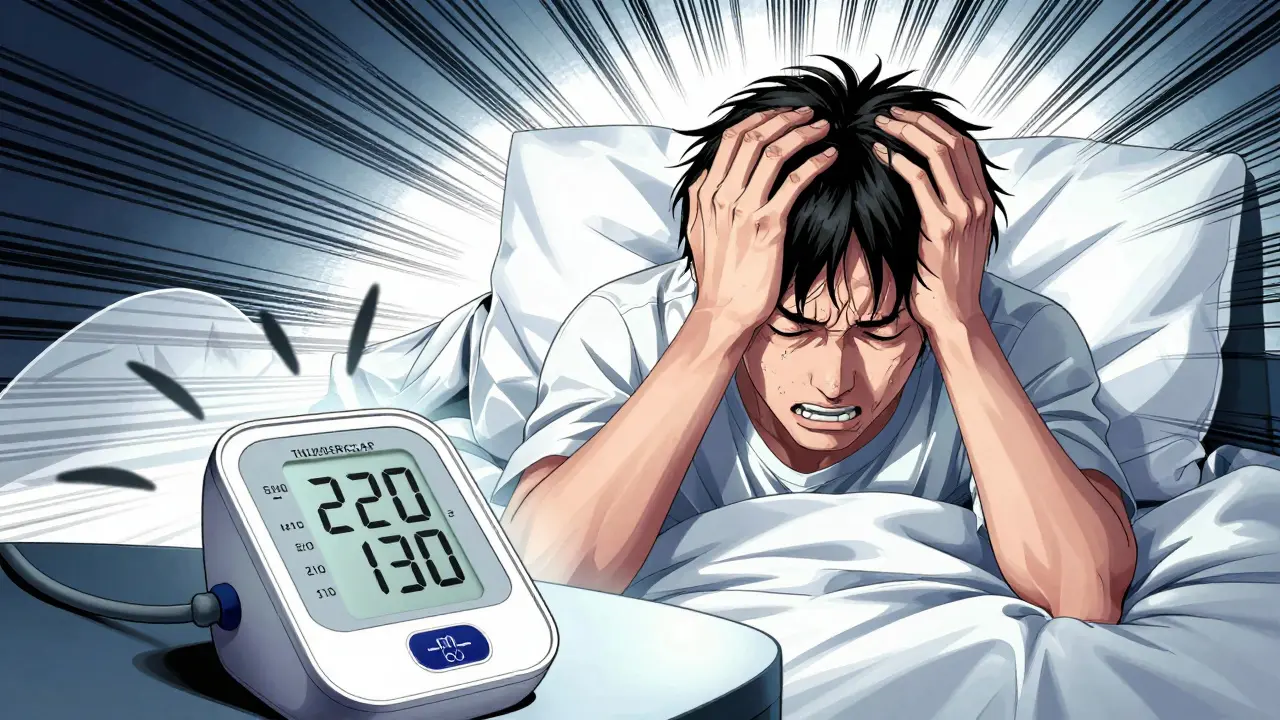
Imagine waking up with a headache so intense it feels like a physical blow, only to find your blood pressure is 220/130. For most people, this sounds like a nightmare, but for those experiencing a hypertensive crisis is a medical emergency where blood pressure spikes to extreme levels, typically systolic over 180 mmHg or diastolic over 120 mmHg , it is a terrifying reality. While we often think of high blood pressure as a slow, silent killer that develops over decades, some triggers can send your numbers skyrocketing in minutes. One of the most overlooked causes is the way different medications-and even common foods-interact in your body.
Whether it's a specific combination of antidepressants and aged cheese or a clash between a transplant drug and a common blood pressure pill, these reactions can lead to immediate organ damage. The core problem is that many of us don't realize that a pill prescribed for one condition can turn a completely harmless substance into a trigger for a life-threatening event. Understanding these triggers isn't just for doctors; it's a survival skill for anyone managing multiple medications.
The Difference Between Urgency and Emergency
Not every blood pressure spike is created equal. Doctors divide these crises into two buckets based on how much damage is actually happening. First, there is hypertensive urgency . This is when your numbers are dangerously high, but your organs-like your heart, brain, and kidneys-are still functioning normally. You might feel anxious or have a pounding headache, but there is no immediate failure of a vital system.
Then there is the hypertensive emergency . This is the critical zone. Here, the extreme pressure causes acute target organ damage. We're talking about things like strokes, heart attacks, or fluid filling the lungs (pulmonary edema). The danger here is that the body's natural autoregulation-the way blood vessels control flow-completely breaks down, leading to uncontrolled vasoconstriction and leaking vessels.
The "Cheese Effect": MAOIs and Tyramine
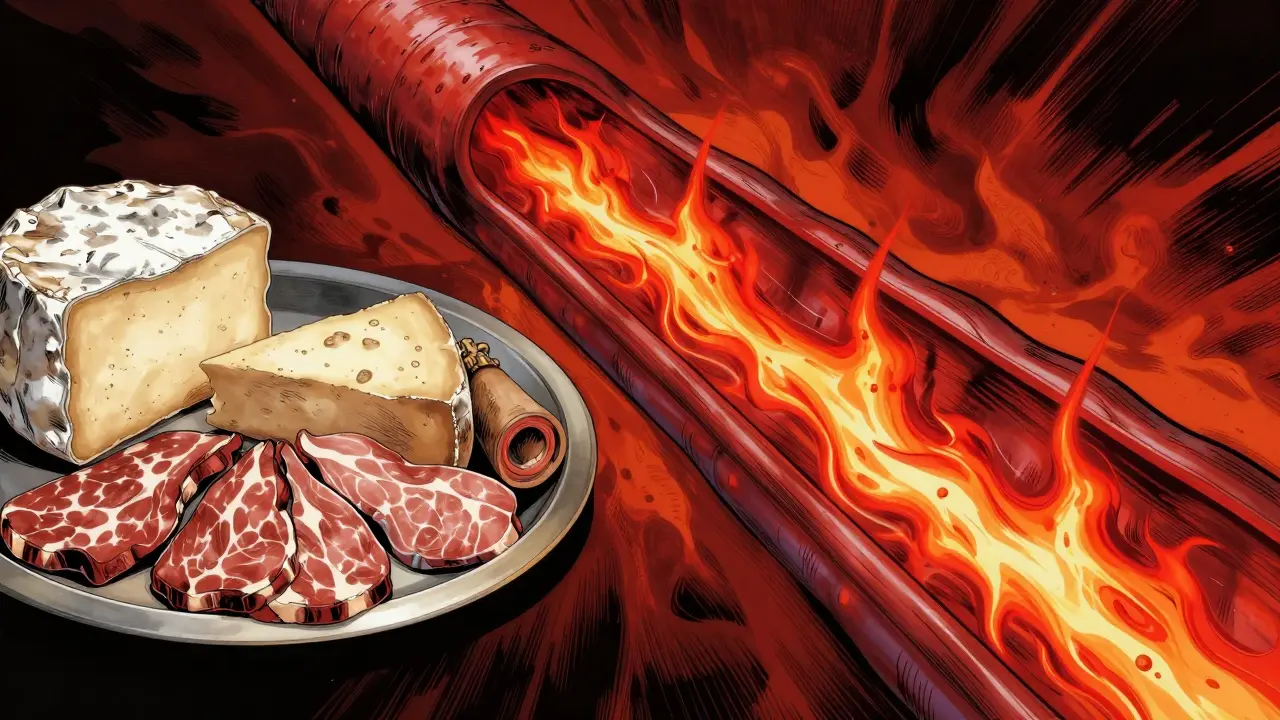
One of the most famous and dangerous interactions involves MAOIs (Monoamine Oxidase Inhibitors), a class of antidepressants. When you take these, your body stops breaking down a substance called tyramine , which is found in high concentrations in aged cheeses, cured meats, and fermented soy products.
When tyramine builds up, it displaces norepinephrine from your nerve endings. Think of it like opening a floodgate; suddenly, there is a massive surge of adrenaline-like chemicals in your system. This is the "cheese effect." It can push systolic pressure up by 50 to 100 mmHg within just 30 to 120 minutes. In severe cases, mortality rates can hit 30% if the crisis isn't treated immediately with specialized medications like intravenous phentolamine.
Hidden Triggers: From Weight Loss to Transplant Drugs
It isn't just antidepressants that cause trouble. Many common medications have "hidden" hypertensive properties that only appear under certain conditions or at high doses.
- The Antidepressant Shift: Medications like venlafaxine can cause dose-dependent spikes. While low doses are usually fine, pushing past 300 mg/day can significantly raise diastolic pressure in some patients.
- Transplant Complications: About 50% of renal transplant patients taking cyclosporine develop hypertension. This often happens because the drug messes with how the body excretes sodium, making the heart work harder to pump fluid.
- The Stimulant Trap: Mixing cocaine with beta-blockers like propranolol is a recipe for disaster. The beta-blocker shuts down certain receptors, leaving the alpha-receptors wide open to the stimulant's effects, which can spike pressure above 220 mmHg almost instantly.
| Trigger Agent | Onset Time | Typical Pressure Spike | Primary Mechanism |
|---|---|---|---|
| MAOI + Tyramine | 30-120 Minutes | 50-100 mmHg (Systolic) | Norepinephrine surge |
| Cocaine + Propranolol | 30-60 Minutes | Up to 220+ mmHg (Systolic) | Unopposed alpha-stimulation |
| Cyclosporine | Days to Weeks | Moderate to Severe | Sodium retention |
| Corticosteroids | Weeks to Months | 10-15 mmHg (Mean) | Fluid volume increase |
The Mineralocorticoid Receptor Pathway
Some reactions aren't caused by a direct "surge" but by changing how your kidneys handle salt and water. This happens via the mineralocorticoid receptor (MR). Certain drugs and even some candies (like real licorice containing glycyrrhizic acid) inhibit the enzyme 11β-HSD2. This allows cortisol to bind to MR receptors, tricking the body into thinking it needs to hold onto sodium and dump potassium.
This creates a specific clinical signature: your blood volume expands by 10-15%, your potassium levels drop (hypokalemia), and your renin and aldosterone levels plummet. Because this is a chemical change in the receptors, the high blood pressure can persist for weeks even after you stop taking the offending agent.
Why These Crises Often Go Unnoticed
A huge problem in modern medicine is the "blind spot" regarding drug interactions. Many patients report early warning signs-unexplained headaches, blurred vision, or a feeling of intense pressure in the chest-but these are often dismissed as stress or fatigue. In a survey of patients who suffered a crisis, nearly 70% had mentioned these symptoms to their doctor beforehand, but only about 22% actually had their medication list reviewed for interactions.
Even more concerning is the issue of polypharmacy in older adults. When someone is taking ten different pills for ten different problems, it's easy for a pharmacist or doctor to miss a subtle interaction. In some cases, hypertension caused by drugs like cyclosporine is misdiagnosed as an organ rejection episode, leading doctors to increase the dose of the very drug causing the blood pressure spike.
How to Protect Yourself and Your Loved Ones
Preventing a hypertensive crisis comes down to vigilance and a few simple rules of thumb. If you are starting a new medication, especially an antidepressant or an immunosuppressant, don't just ask "what are the side effects?" Ask specifically, "does this interact with anything that could raise my blood pressure?"
If you are on high-risk medications, follow these safety protocols:
- The Washout Window: If switching from an MAOI to another antidepressant, wait at least two weeks. For irreversible MAOIs, some experts suggest up to five weeks to ensure the enzymes have fully reset.
- Frequent Checks: If you're on a high-risk combo (like cyclosporine and calcium channel blockers), biweekly blood pressure checks for the first three months are essential.
- Dietary Awareness: If you're on an MAOI, use a dedicated app or checklist to avoid high-tyramine foods. Avoid aged cheeses, sauerkraut, and overly ripe avocados.
What are the first warning signs of a drug-induced hypertensive crisis?
Common early signs include severe, "thunderclap" headaches, sudden blurred vision or vision loss, shortness of breath, and intense anxiety or restlessness. If these occur shortly after taking a new medication or eating a specific food while on an antidepressant, seek emergency care immediately.
Can over-the-counter (OTC) drugs cause this?
Yes. Many decongestants contain sympathomimetics that constrict blood vessels. For most people, they are safe, but if combined with certain antidepressants or stimulants, they can trigger a severe spike. Always check labels for stimulants or vasoconstrictors if you have a history of hypertension.
Is licorice candy actually dangerous?
Natural licorice (containing glycyrrhizic acid) can be dangerous in large quantities. It mimics aldosterone, causing the body to retain salt and lose potassium. This can lead to chronic hypertension and, in extreme cases, a crisis, especially in people already taking diuretics.
How long does it take for blood pressure to drop after stopping the drug?
It depends on the mechanism. Sympathomimetic reactions (like those from stimulants) usually resolve within 6 to 12 hours. However, mineralocorticoid-induced hypertension (like from licorice or specific steroids) can take several weeks to normalize because the receptors take time to reset.
Why is the "cheese effect" so dangerous for MAOI users?
MAOIs block the enzyme that normally breaks down tyramine. When you eat aged cheese, tyramine enters the bloodstream and forces a massive release of norepinephrine. This causes immediate, extreme vasoconstriction, which can lead to a stroke or heart failure if not treated instantly.
Next Steps and Troubleshooting
If you suspect you are at risk, your first move should be a comprehensive medication review. Sit down with your pharmacist-not just your doctor-and provide a list of every supplement, OTC drug, and prescription you take. Pharmacists are often better trained to spot the subtle interactions that lead to pressure spikes.
For those who have already experienced a spike, don't just lower your dose of blood pressure medication. The problem might not be that your BP meds aren't working, but that a second drug is actively fighting against them. Troubleshooting requires identifying the trigger, not just treating the symptom. Keep a daily log of what you eat and when you take your meds; if you notice a pattern of headaches following a certain food or pill, that is your red flag.



Doug DeMarco
April 9, 2026 AT 23:57This is such a vital reminder for everyone! 😊 Always double-check those labels and maybe even keep a little notebook of your meds to show the pharmacist. Stay safe out there, folks! ✨
Simon Jenkins
April 10, 2026 AT 19:29Honestly, it's absolutely tragic that some people are only just discovering the 'cheese effect' in this day and age. I mean, any semi-competent medical student knows this off the top of their head, yet here we are, acting like it's some sort of groundbreaking revelation. It's frankly embarrassing that the general public is so blissfully ignorant of basic pharmacology. The sheer audacity of a system that allows patients to wander around eating aged cheddar while on MAOIs is practically a crime against science! Just utterly appalling.
Sarina Montano
April 12, 2026 AT 07:59The intersection of tyramine and MAOIs is a wild pharmacological dance that can turn a gourmet snack into a biological ticking bomb. It's fascinating how a simple enzyme blockage creates such a volatile surge of norepinephrine, essentially hijacking the sympathetic nervous system in a heartbeat. Most people don't realize that 'aged' basically means 'tyramine-rich,' making a fancy charcuterie board a potential emergency room trip. It's a vivid example of how the smallest biochemical shift can trigger a systemic cascade of chaos.
Will Gray
April 13, 2026 AT 17:34Typical. They tell you about the drugs but they never tell you who's actually manufacturing these 'prescriptions' and why they want our blood pressure spiking in the first place. Probably just another way to keep the pharmaceutical giants in power while they feed us garbage and then sell us the 'cure' that actually causes the crisis. You can bet the government knows exactly how these interact but they keep the real info buried so we stay dependent on the system. Wake up people, it's all a rigged game to control our health!
Franklin Anthony
April 15, 2026 AT 12:22it is just sad how we trust these big labs without questioning the ethics of it all lol. probably just another way to push more pills once the first one breaks you. keep your eyes open and dont trust the blind spots they leave on purpose
Victor Parker
April 16, 2026 AT 18:37The 'cheese effect' is a total lie made up by the meds companies to make you scared of real food 🙄’ They want us on their synthetic junk and terrified of a piece of brie. It's all a plot to make us dependent on their 'emergency' meds like phentolamine. Absolute madness! 🤡
Emily Wheeler
April 18, 2026 AT 09:57I find it quite profound that our bodies are essentially chemical landscapes where a simple piece of licorice can mimic a complex hormone and rewrite our internal fluid balance, which really makes me think about how fragile the equilibrium of human life truly is. If we consider the mineralocorticoid receptor as a gateway, it's almost poetic in a dark way how a sweet treat can lead to such a systemic upheaval, though I believe we can overcome these risks if we simply approach our healthcare with a spirit of mindful collaboration and a genuine desire to understand the rhythms of our own biology. It's not just about avoiding the drug, but about fostering a holistic awareness of how the world around us interacts with the world inside us, leading us toward a more harmonious state of existence where we are no longer victims of our own chemistry but conscious navigators of our health.
Peter Meyerssen
April 18, 2026 AT 13:08The systemic dysregulation here is a textbook example of homeostatic failure 🙄 basically, the alpha-adrenergic surge creates a positive feedback loop of vasoconstriction. It's a basic paradigm shift in hemodynamic stability. Very elementary stuff really. 💅
Ryan Hogg
April 18, 2026 AT 14:13I've dealt with chronic BP issues for years and it's just... exhausting. Every time I think I'm safe, something happens. It feels like my own body is betraying me and I just can't take the anxiety of wondering if a snack will kill me.
danny Gaming
April 18, 2026 AT 21:20wow realy amazing how the US laws let these drugs on market without warnin ppl about the cheese thing lol. total joke of a system man. typical american medcare failur
Suchita Jain
April 19, 2026 AT 00:39It is highly imperative that individuals cease neglecting their dietary discipline. One must maintain a rigorous adherence to the guidelines provided by their physicians, as the consequences of such negligence are entirely unacceptable and a reflection of one's lack of self-control.
Simon Stockdale
April 20, 2026 AT 21:47I cant believe how much we just trust these doctors to tell us what to take when they dont even know what they are doin half the time its just crazy how the whole system is built to just keep us sick and then they act surprised when some guy eats some cheese and his brain explodes from the pressure it is just totally ridiculous and frankly a disgrace to this great country that we dont have better standards for our patients who are just tryin to live their lives!!
Camille Sebello
April 22, 2026 AT 04:07Check your labels!!! Now!!!
Julie Bella
April 22, 2026 AT 05:12Omg i almost did this with my meds last week!! 😱 its so scarry how easy it is to mess up. u all need to be way more careful with ur health or u wont be around to enjoy life!! 😭