

When your child keeps throwing up after meals, cries during feeding, or wakes up at night with a burning throat, it’s not just a phase. It could be gastroesophageal reflux disease (GERD). Doctors sometimes prescribe rabeprazole sodium to help, but parents are right to ask: is this safe for a little one?
What Is Rabeprazole Sodium?
Rabeprazole sodium is a proton pump inhibitor, or PPI. It works by turning off the acid-making pumps in the stomach lining. Less acid means less burning, less vomiting, and better sleep. It’s the same class of drug as omeprazole and esomeprazole, but rabeprazole acts faster and lasts longer in some people.
It’s approved for adults in over 50 countries, including Australia and the U.S. But for kids? The story is more complicated. The FDA approved rabeprazole for children as young as 1 year old in 2021 - but only for GERD that doesn’t improve with lifestyle changes or other treatments.
How Is It Used in Children?
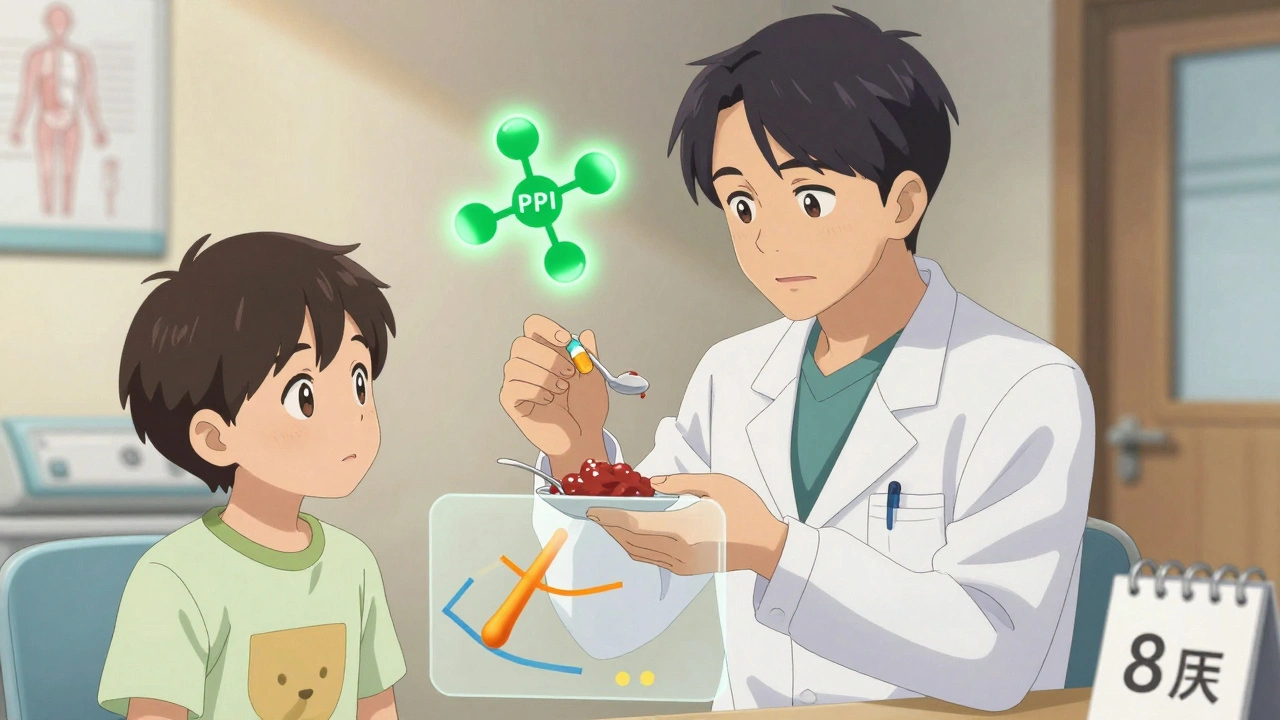
Dosing isn’t based on age alone. It’s based on weight. For kids between 1 and 11 years old, the typical starting dose is 10 mg once daily. For teens over 12, it’s usually 20 mg - the same as adults. The capsules can be opened and mixed with applesauce or yogurt if swallowing pills is hard. But never crush or chew the granules. They’re coated to survive stomach acid and release in the intestine.
It’s taken 30 minutes before a meal, usually breakfast. That’s when acid production kicks into high gear. Taking it after eating won’t work as well. Most kids see improvement in heartburn and regurgitation within 1 to 2 weeks. But doctors usually don’t prescribe it for more than 8 weeks without checking in.
Is It Safe for Kids?
Short-term use (under 8 weeks) is generally safe. In clinical trials involving over 300 children aged 1 to 11, the most common side effects were mild: headaches, diarrhea, stomach pain, and cough. Less than 5% of kids stopped treatment because of side effects.
But safety isn’t just about what happens right away. Long-term use of PPIs in children has raised red flags. Studies show kids on PPIs for more than 3 months have a higher risk of respiratory infections, like pneumonia and bronchitis. Why? Less stomach acid means germs can survive and travel up into the lungs.
There’s also a small but real chance of nutrient problems. Stomach acid helps absorb vitamin B12, iron, and calcium. Long-term suppression might lead to low iron levels or weaker bones over time. One 2023 study from the Journal of Pediatric Gastroenterology followed 1,200 children on PPIs for over a year. Nearly 18% developed low serum ferritin - a sign of early iron deficiency.
And then there’s rebound acid hypersecretion. When kids stop rabeprazole after months of use, their stomach sometimes overproduces acid for weeks. That can make reflux worse than before - and leave parents thinking the drug didn’t work, when it’s actually the withdrawal.
When Should It Be Used?
Rabeprazole isn’t a first-line treatment. It’s reserved for kids who’ve tried everything else and still have damage to their esophagus - confirmed by endoscopy. Most pediatric guidelines say: try feeding changes first. Smaller meals. Keep the child upright after eating. Avoid citrus, chocolate, and carbonated drinks. Elevate the head of the crib.
If those don’t work, doctors may try H2 blockers like famotidine before jumping to PPIs. Rabeprazole is only recommended if symptoms persist and there’s clear evidence of inflammation or erosion in the esophagus. Many kids outgrow reflux by age 2. Rushing to medication can miss the natural solution.
What About Alternatives?
For mild reflux, thickened feeds or alginate suspensions like Gaviscon Infant can help. They form a gel barrier on top of stomach contents, stopping acid from splashing up. These are safe for babies as young as 3 months.
For older kids with persistent symptoms, lifestyle tweaks make a big difference:
- Stop eating 2-3 hours before bedtime
- Avoid spicy, fatty, or fried foods
- Don’t lie down after eating
- Manage weight - excess belly fat increases pressure on the stomach
- Reduce stress - anxiety can worsen reflux
Some parents turn to herbal remedies like chamomile or licorice root. But there’s no strong evidence they work for children, and some herbs interact with medications. Always talk to your doctor before trying anything not approved for kids.
What Do Pediatric Guidelines Say?
The North American Society for Pediatric Gastroenterology, Hepatology, and Nutrition (NASPGHAN) updated its guidelines in 2024. They now strongly warn against using PPIs for routine reflux in infants. Most babies spit up - it’s normal. Only treat if there’s failure to thrive, blood in vomit, chronic cough, or signs of esophagitis.
For older children, the guidelines say: use the lowest effective dose for the shortest time possible. Never prescribe rabeprazole without confirming the diagnosis. Many kids diagnosed with GERD actually have functional dyspepsia - a stomach sensitivity, not excess acid. PPIs won’t help that.
Doctors should also check for other causes: food allergies (especially cow’s milk protein), eosinophilic esophagitis, or even a hiatal hernia. Treating the wrong problem wastes time and risks side effects.
Monitoring and Follow-Up
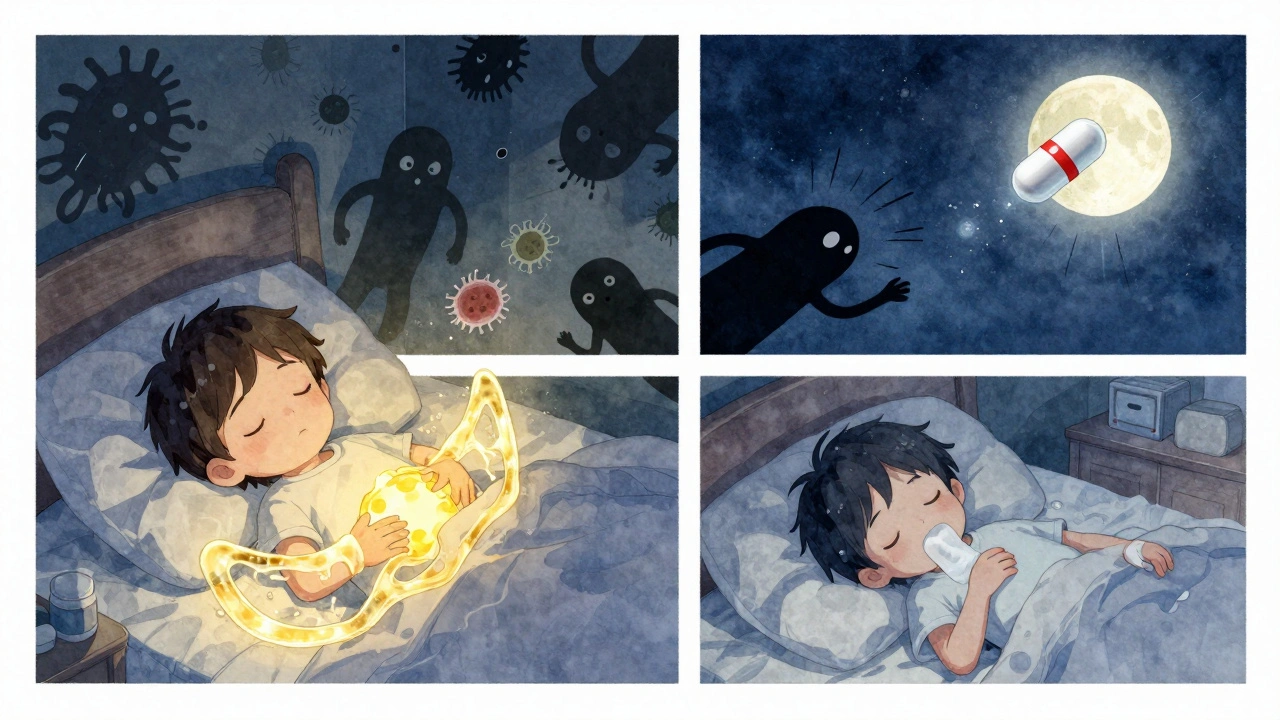
If your child starts rabeprazole, ask for a follow-up in 4 to 6 weeks. Blood tests for iron, vitamin B12, and magnesium are a good idea after 3 months. Watch for new symptoms: persistent diarrhea, muscle cramps, or unusual fatigue. These could signal nutrient deficiencies.
When it’s time to stop, don’t quit cold turkey. Work with your doctor to slowly reduce the dose over 2-4 weeks. That helps prevent rebound acid. Some kids need to switch to an H2 blocker like ranitidine (now back on the market with stricter dosing) as a bridge.
Real-World Experience
A 2025 survey of 400 Australian parents whose children took rabeprazole found that 68% saw improvement in vomiting and irritability. But 32% reported new issues: 19% had more frequent colds, 11% had trouble sleeping after stopping the drug, and 7% said their child’s appetite dropped.
One mother in Melbourne shared: “My 3-year-old was crying every night. We tried everything. Rabeprazole helped - but only for a few months. Then he started getting sick every 3 weeks. We stopped it. His reflux came back, but his immune system got stronger. We’re managing with diet now.”
That’s the trade-off. Medication can buy relief. But it doesn’t fix the root cause. And sometimes, the cure has its own cost.
Final Thoughts
Rabeprazole sodium can be a helpful tool for children with confirmed, severe GERD. But it’s not a quick fix. It’s a tool for specific cases - not for every fussy eater or spitty baby.
Before agreeing to a prescription, ask: Has the diagnosis been confirmed? Have we tried diet and positioning? Are we monitoring for side effects? Is there a plan to taper off?
Most kids don’t need long-term acid suppression. Their bodies grow out of it. Your job isn’t to silence the acid - it’s to understand why it’s there.
Can rabeprazole sodium be given to babies under 1 year old?
No. Rabeprazole sodium is not approved for infants under 1 year. Most reflux in babies is normal and improves on its own by 12-18 months. Doctors avoid PPIs in this age group unless there’s severe, confirmed esophagitis - and even then, it’s rare. Lifestyle changes and thickened feeds are the first-line approach.
How long does it take for rabeprazole to work in children?
Most children notice less vomiting and improved comfort within 1 to 2 weeks. But full healing of the esophagus can take 4 to 8 weeks. If there’s no improvement after 2 weeks, the diagnosis should be rechecked. It might not be acid-related.
Is rabeprazole safer than omeprazole for kids?
There’s no strong evidence that rabeprazole is safer than omeprazole or esomeprazole in children. All PPIs work similarly and carry the same risks: increased infection risk, nutrient deficiencies, and rebound acid. The choice often comes down to cost, availability, or how a child responds to a specific brand.
Can rabeprazole cause autism or developmental delays?
No. There is no credible scientific link between rabeprazole or any PPI and autism or developmental delays. This myth started from early, poorly designed studies that confused correlation with causation. Major health agencies, including the FDA and WHO, have reviewed the data and found no association.
What should I do if my child misses a dose?
If your child misses a dose, give it as soon as you remember - but only if it’s still more than 2 hours before the next meal. If it’s close to the next dose, skip the missed one. Never double up. Giving too much can increase side effects without adding benefit.
Are there foods that make rabeprazole less effective?
Yes. Grapefruit juice can interfere with how the body breaks down rabeprazole. Avoid it while your child is on the medication. Also, taking it with a large, fatty meal can delay absorption. Always give it 30 minutes before food, on an empty stomach.

Karandeep Singh
December 1, 2025 AT 21:41rabeprazole for kids? lol just hold em upside down and shake until they stop crying. we did that in my village in punjab and it worked better than any pill.
Lauryn Smith
December 2, 2025 AT 22:18My daughter was on this for 6 weeks. We saw improvement but also more ear infections. We tapered off slowly and switched to feeding tweaks-elevated crib, smaller meals, no citrus. She’s been symptom-free for 8 months now. Sometimes the body just needs time.
Rachel Stanton
December 2, 2025 AT 23:13It’s critical to distinguish between physiologic reflux and pathologic GERD. The former is a developmental norm in infants; the latter involves mucosal injury, failure to thrive, or respiratory compromise. PPIs are not indicated for the former, and overprescribing contributes to microbiome disruption, nutrient malabsorption, and rebound hypersecretion. Evidence-based pediatric gastroenterology demands a stepwise approach: lifestyle, H2RA, then PPI-only if endoscopic confirmation exists. We’re seeing a dangerous normalization of acid suppression in otherwise healthy toddlers.
Edward Hyde
December 4, 2025 AT 21:33Oh great. Another pill for every cry. First it was ADHD meds for wiggly kids, now it’s acid blockers for spitty babies. Next thing you know, we’ll be giving antidepressants to toddlers who throw tantrums. The pharmaceutical industry doesn’t care if your kid grows up healthy-they care if you keep buying their $200-a-month magic powder. Wake up.
James Allen
December 6, 2025 AT 14:04I read this whole thing and I’m just… heartbroken. My son was on rabeprazole for 11 months. He got pneumonia twice. Lost 10% of his body weight. We finally stopped. He cried for 3 weeks straight. His reflux came back worse. But his immune system? Oh my god. He hasn’t been sick in 14 months. I wish someone had told me sooner. This drug didn’t fix him-it broke him.
ariel nicholas
December 7, 2025 AT 10:58Let me get this straight: you’re telling me that American doctors, who prescribe opioids for hangnails, are now giving proton pump inhibitors to toddlers because they don’t want to deal with crying? Meanwhile, in Japan, they use rice porridge and upright positioning-and their infant reflux rates are 40% lower. This isn’t medicine. It’s cultural laziness wrapped in a white coat.
Mary Ngo
December 8, 2025 AT 19:41Have you considered that this drug is part of a larger agenda? The FDA approved it in 2021-right after the WHO declared a global health emergency. Coincidence? Or is Big Pharma pushing PPIs to create dependency? Think about it: if kids are on these drugs long-term, they’ll need blood tests, supplements, follow-ups… and who profits? Not the parents. Not the pediatricians. The corporations. And they’re watching. Always watching.
Kenny Leow
December 10, 2025 AT 16:31As someone raised in Singapore where reflux is treated with ginger tea and bamboo massage (yes, really), I appreciate this balanced take. In the West, we default to pills. In Asia, we default to patience. Neither is perfect-but the Asian model has 2,000 years of trial and error behind it. Maybe we’re rushing the healing process. 🙏
Debbie Naquin
December 11, 2025 AT 08:56Rebound acid isn’t a side effect-it’s a system failure. The stomach adapts. It doesn’t break. It compensates. We treat symptoms like enemies, not signals. What if the acid isn’t the problem? What if it’s the barrier? The diet? The stress? The lack of movement? We’ve turned physiology into pharmacology. And we’re losing the plot.