Medication Route Decision Tool
Patient Profile & Needs
Analysis Results
Awaiting InputPlease fill out the form to see personalized recommendations.
Have you ever wondered why your doctor prescribed a pill for one condition but demanded an injection for another? It isn't just about convenience. The way a drug enters your body-its route of administration-drastically changes how it works, how fast it kicks in, and what side effects you might face.
We often think of the medicine itself as the only variable. But the delivery method is half the battle. Taking a painkiller by mouth affects your stomach differently than applying a cream to your knee or injecting insulin into your arm. Understanding these differences can help you manage expectations, avoid unpleasant surprises, and stick to your treatment plan more effectively.
How Your Body Processes Different Routes
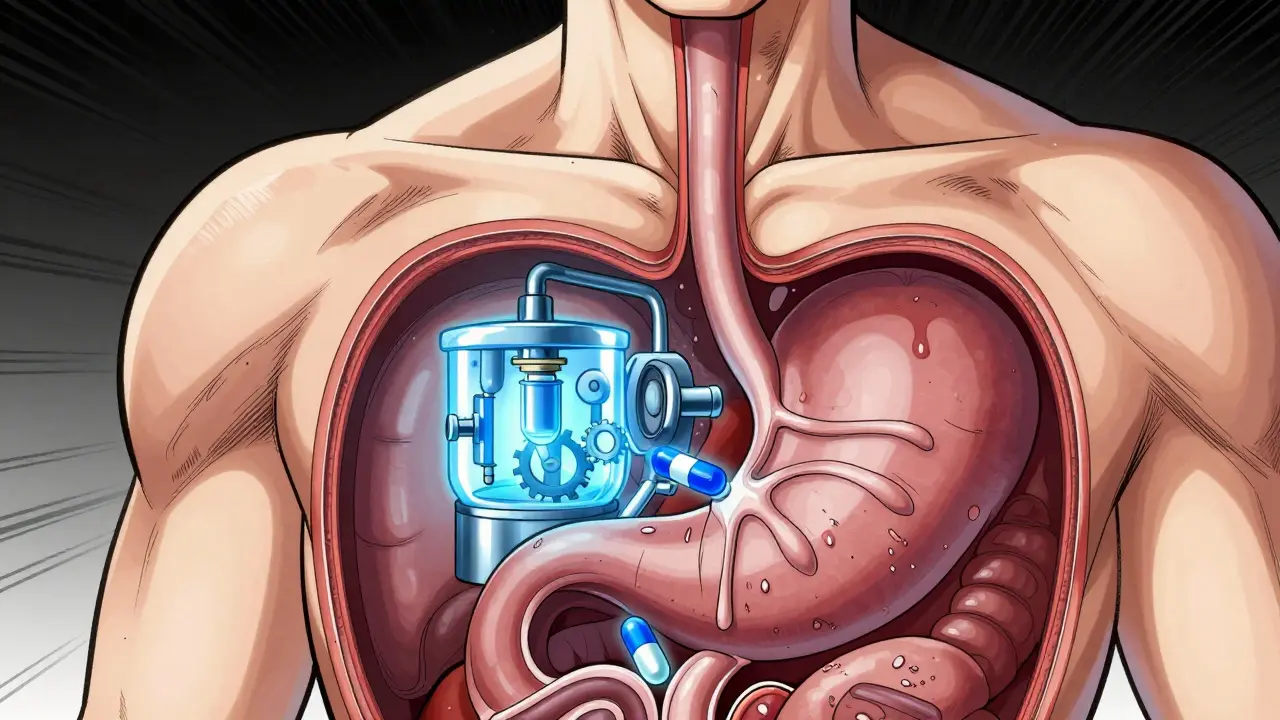
The core difference lies in pharmacokinetics-the journey the drug takes through your system. When you swallow a pill, it travels through your gastrointestinal tract. This path introduces two major hurdles: degradation by stomach acid and first-pass metabolism in the liver.
First-pass metabolism occurs when the liver processes a significant portion of the drug before it even reaches the rest of your bloodstream. For some medications, like propranolol, this reduces bioavailability to around 25%. This means your body only uses a quarter of what you swallowed. To compensate, doctors prescribe higher doses, which can increase the risk of dose-dependent side effects.
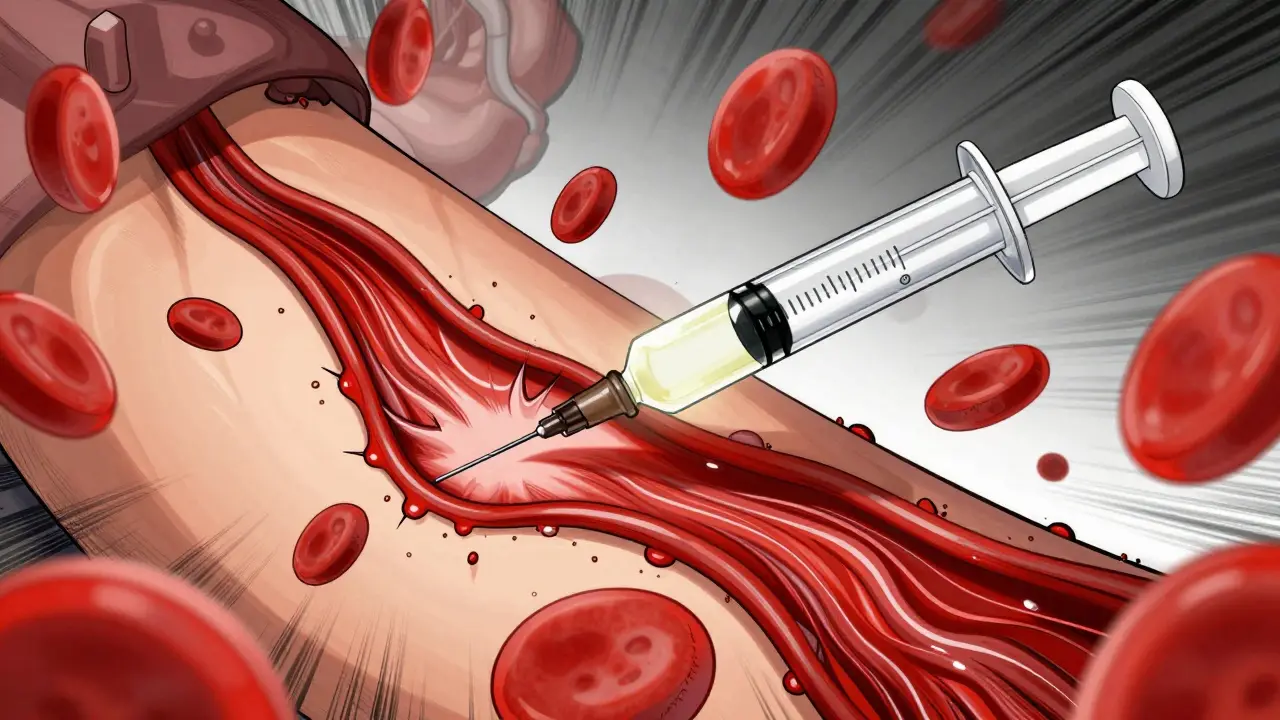
In contrast, Injectable administration bypasses the gut and liver entirely. Intravenous (IV) injections deliver 100% of the drug directly into the bloodstream, achieving immediate peak concentration. Intramuscular (IM) and subcutaneous (SubQ) injections also avoid first-pass metabolism, offering high bioavailability (70-90%) with slightly delayed onset times of 45 to 90 minutes.
Topical administration sits somewhere in between, depending on the goal. Localized topicals, like hydrocortisone cream for eczema, aim for minimal systemic absorption-often less than 10%. However, transdermal patches, such as nicotine or fentanyl patches, are designed to absorb steadily through the skin into the bloodstream, providing consistent levels without the peaks and valleys seen with pills.
Side Effect Profiles: What Goes Wrong Where?
Each route carries a unique set of risks. Knowing these helps you monitor your health better and report issues accurately to your provider.
Oral Medications: The most common complaint is gastrointestinal distress. Roughly 25-30% of patients experience stomach upset, nausea, or diarrhea. Non-steroidal anti-inflammatory drugs (NSAIDs) like ibuprofen are notorious for causing gastric ulcers in 1-2% of long-term users due to direct irritation of the stomach lining. Additionally, oral drugs interact with food; about 40% of commonly prescribed meds have significant drug-food interactions that can alter their effectiveness.
Injections: While they spare your stomach, needles bring other risks. Injection site reactions, including pain, redness, and swelling, occur in 15-20% of intramuscular injections. More serious risks include infection at the injection site (1-5% of cases) and rare but severe allergic reactions like anaphylaxis (0.01-0.05%). Long-term injectables, such as insulin, can cause lipohypertrophy-lumpy tissue buildup at injection sites-affecting nearly half of long-term diabetes patients who don't rotate sites properly.
Topicals: These generally have the safest systemic profile. Systemic side effects occur in less than 5% of cases when used correctly. The primary issue is local skin irritation, rashes, or contact dermatitis. However, if you apply potent steroids over large areas or under occlusive dressings, you risk systemic absorption, which can suppress your adrenal axis-a serious hormonal imbalance.
| Feature | Oral | Injection | Topical |
|---|---|---|---|
| Bioavailability | Variable (5-100%) | High (70-100%) | Low (<10% local) to Moderate (60-80% transdermal) |
| Onset of Action | Slow (30-90 mins) | Rapid (2-60 mins) | Variable (Minutes to Hours) |
| Primary Side Effects | GI upset, Liver stress | Site pain, Infection risk | Skin irritation, Allergic reaction |
| Patient Preference | High (92%) | Low (Needle phobia) | Medium (Messy application) |
Why Doctors Choose One Over the Other
If oral pills are so convenient, why do we still use needles and creams? The answer lies in specific clinical needs.
Speed and Emergency Care: When seconds count, oral meds are too slow. An IV epinephrine shot works in minutes; a pill would take hours. Injectables are critical for conditions where GI absorption is compromised, such as severe vomiting or shock.
Localized Treatment: If you have a rash on your elbow, swallowing a steroid exposes your entire body to the drug’s side effects. A topical cream treats only the affected area, reducing systemic exposure by up to 87% compared to oral equivalents. This makes topicals the gold standard for chronic inflammatory skin conditions like psoriasis and eczema.
Stability and Bioavailability: Some drugs, like insulin or certain biologics, are proteins that get destroyed by stomach acid. They simply cannot be taken orally. Until recently, they had to be injected. New technologies are changing this, but for now, injection remains the only viable route for many life-saving biologics.
Patient Experience and Adherence Challenges
Even the best drug fails if you don’t take it. Adherence varies wildly by route.
Most people prefer oral meds. Studies show 92% of patients choose pills over injections when efficacy is equal. However, complex regimens-like taking four different pills at specific times with or without food-lead to a 50% non-adherence rate within six months.
Injections face a psychological barrier. Needle phobia affects 20-25% of the population. Beyond fear, there’s the skill factor. About 30-40% of patients need multiple training sessions to master subcutaneous injection technique. Improper disposal of needles is also a major public health concern, with 40% of patients reporting difficulty accessing safe sharps containers.
Topicals seem easy, but they are deceptively tricky. Applying too little reduces efficacy by 35-40%. The "fingertip unit" rule (the amount of ointment from the tip of your index finger to the first crease) is the standard measure, yet 60% of patients apply incorrectly due to vague instructions. Messiness and staining clothes are frequent complaints that lead patients to skip doses.
Cost and Accessibility Considerations
Price plays a huge role in treatment choices. Oral medications are generally the most cost-effective, costing 30-50% less than equivalent injectables. Injectable biologics can range from $2,500 to $5,000 per dose, creating massive financial barriers. Even generic injectables carry higher administration costs due to the need for sterile supplies and sometimes professional assistance.
Topicals sit in the middle. While the product itself may be affordable, the cumulative cost of frequent reapplication and potential waste from improper usage adds up. Insurance coverage also varies; some plans cover oral generics fully but impose high copays for branded injectables or specialized transdermal patches.
The Future of Drug Delivery
Technology is blurring the lines between these routes. Innovations like Capsugel’s "liquid-in-capsule" technology improve oral bioavailability of poorly soluble drugs by 30-50%, allowing more meds to be taken as pills. Auto-injectors with real-time depth monitoring reduce injection site complications by 28%.
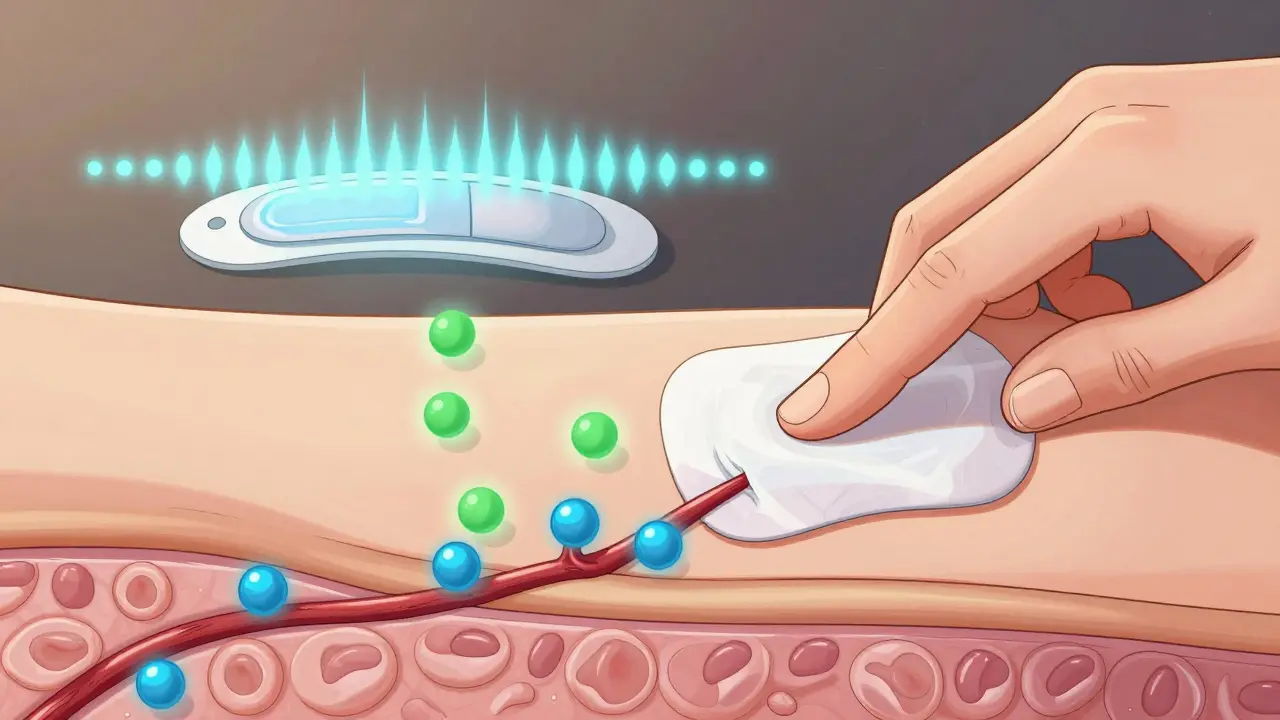
Perhaps most exciting are advances in topical delivery. Ultrasound-enhanced transdermal patches can increase macromolecule delivery by 600%, potentially allowing biologics previously limited to injection to be delivered via patch. By 2030, experts predict 25% of current injectable biologics will transition to advanced topical or oral formulations, aiming to reduce systemic side effects by up to 60% while boosting patient adherence.
However, not everything can be converted. The WHO identifies 37 critical medications that still require injection due to molecular size or stability constraints. For now, understanding the trade-offs of each route remains essential for effective healthcare management.
Which route has the fewest side effects?
Topical administration generally has the fewest systemic side effects, with less than 5% of users experiencing issues beyond local skin irritation. Because the drug stays localized, it avoids stressing the liver and stomach.
Why are injections more expensive than pills?
Injections require sterile manufacturing processes, specialized packaging (syringes, vials), and often involve biologic compounds that are harder to produce. Additionally, the cost includes the equipment and potential professional administration fees.
Can I switch from oral to topical medication on my own?
No. You should never switch routes without consulting your doctor. The dosage forms are not interchangeable. A topical cream may not provide enough systemic coverage if you were relying on an oral pill for whole-body effects, leading to treatment failure.
What is first-pass metabolism?
First-pass metabolism is the process where the liver metabolizes a drug absorbed from the gastrointestinal tract before it reaches the systemic circulation. This can significantly reduce the amount of active drug available to your body, necessitating higher oral doses.
How do I know if my injection technique is correct?
Correct technique involves proper site rotation, cleaning the area with alcohol, pinching the skin appropriately for subcutaneous shots, and injecting at the right angle (usually 45 or 90 degrees). If you experience persistent lumps, excessive pain, or bruising, consult your healthcare provider for a technique review.