

Mixing natural supplements with prescription meds often feels like a safe bet, but some combinations are genuinely dangerous. Kava is a traditional Pacific Island beverage made from the roots of Piper methysticum, used globally to treat anxiety and insomnia. While it might seem like a gentler alternative to pharmacy drugs, pairing kava with sedative medications can lead to severe liver damage and dangerous levels of drowsiness.
The Core Danger: How Kava Affects Your Liver
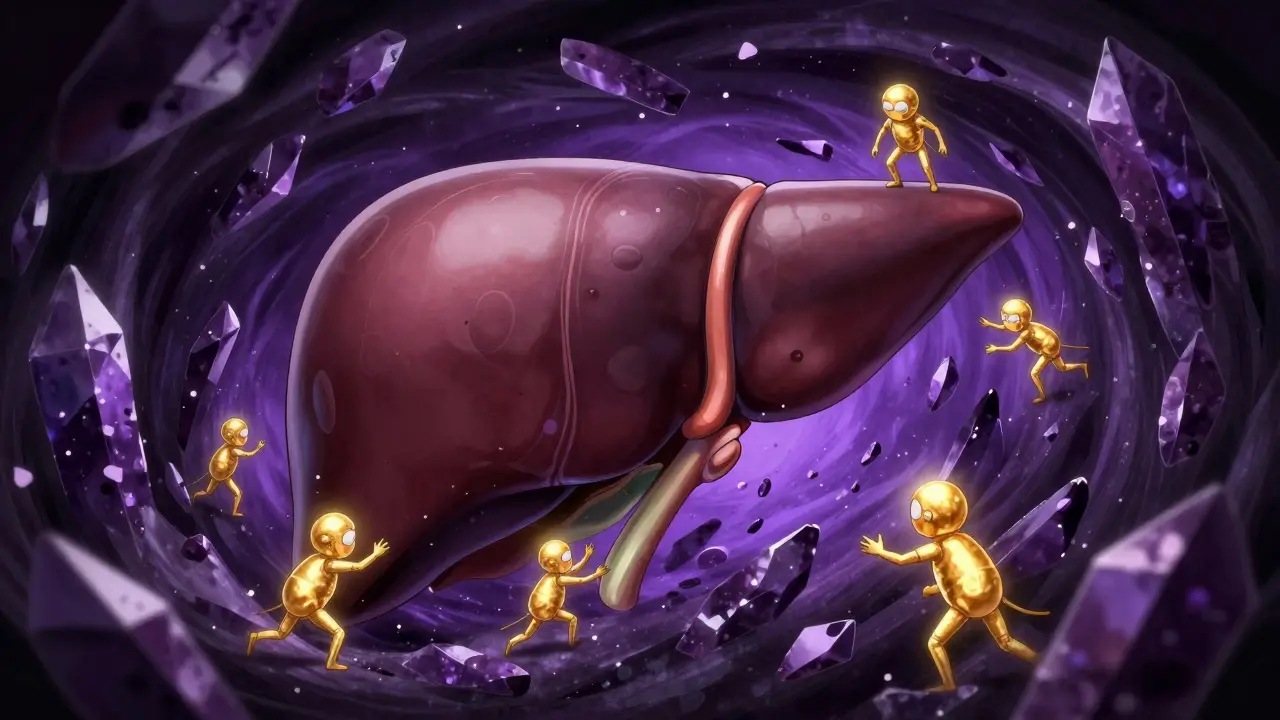
The biggest red flag with kava is hepatotoxicity, which is just a medical way of saying it can poison your liver. The U.S. Food and Drug Administration the federal agency responsible for protecting public health by ensuring the safety of drugs and dietary supplements issued a major warning back in 2002 after reports of severe liver injury surfaced internationally. In some extreme cases, people have actually needed liver transplants after using kava products.
The risk isn't the same for everyone. There is a big difference between traditional water-based preparations and the concentrated extracts you find in capsules. Data from the World Health Organization shows that traditional beverages have a much lower incidence of adverse events-about 0.8 per 100,000 servings-compared to commercial extracts, which jump to 7.3 per 100,000. This suggests that the chemicals used to extract Kavalactones the active psychoactive compounds in kava that provide sedative and muscle-relaxant effects , like acetone or alcohol, might be contributing to the toxicity.
Why Sedatives and Kava are a Bad Mix
When you take a sedative, your liver uses specific enzymes to break that drug down and clear it from your system. Kava interferes with these enzymes, specifically CYP3A4 a critical enzyme in the liver responsible for metabolizing a vast array of pharmaceutical drugs , CYP2D6, and CYP2C9. Because kava blocks these "cleanup crews," the sedative medication stays in your blood longer and at higher concentrations than your doctor intended.
Take Benzodiazepines a class of sedative drugs used to treat anxiety and insomnia, including medications like Xanax and Valium as an example. Studies show that kava can increase the plasma concentration of midazolam (a common benzo) by about 27%. When you combine the sedative effects of kavalactones with the increased potency of a prescription drug, you risk "over-sedation." This isn't just feeling sleepy; it can manifest as confused speech, inability to stand, or respiratory depression.
| Feature | Kava (Commercial Extracts) | Prescription Benzos (e.g., Alprazolam) |
|---|---|---|
| Regulatory Oversight | Low (Dietary Supplement) | High (FDA Approved Drug) |
| Dosing Consistency | Variable (15-60% bioavailability) | Standardized |
| Primary Risk | Liver Toxicity / Hepatotoxicity | Dependence / Respiratory Depression |
| Liver Injury Rate | Estimated < 1:1,000,000 doses | Approx. 1:100,000 prescriptions |
Real-World Consequences: Case Studies
To see how this works in real life, look at a 2023 report from Sacramento County. One 42-year-old patient took 300 mg of kava daily alongside 2 mg of alprazolam. Within 90 days, they developed jaundice-a yellowing of the skin and eyes-and their ALT levels (a marker of liver damage) skyrocketed to 2,840 U/L. Another 56-year-old combining 250 mg of kava with diazepam ended up in the hospital due to coagulopathy, meaning their blood couldn't clot properly because the liver was failing.
It's not always a total liver collapse. Many users report "severe drowsiness." On platforms like Erowid and Reddit, users have shared stories of being unable to stand for hours or experiencing profound mental confusion after mixing even small doses of lorazepam with kava. This synergistic effect happens because both substances depress the central nervous system, amplifying the impact of each.
How to Spot the Warning Signs
If you've been using kava, you need to know what to look for. Liver damage doesn't always happen overnight. According to the NCCIH, symptoms typically appear one to four months after you start taking the supplement. Keep an eye out for these signs:
- Extreme Fatigue: This is the most common sign, appearing in about 89% of cases.
- Nausea: Reported in 76% of liver-related kava cases.
- Jaundice: Yellowing of the eyes or skin, seen in 63% of cases.
- Dark Urine: A classic sign that the liver is struggling to process bilirubin.
If you notice any of these, the American Association for the Study of Liver Diseases suggests stopping kava immediately. The good news is that about 92% of mild cases resolve within 60 days once the supplement is cut out of the routine.

Safe Usage and Professional Advice
If you are determined to use kava, you have to be smart about it. First, avoid it entirely if you have pre-existing liver conditions. If you are on sedative medications, the CDC suggests limiting kava to 70 mg daily or less, and that's only if you're getting biweekly liver function tests to make sure your organs are coping.
Be wary of where you buy your products. Since 68% of U.S. sales happen online, many people skip the consultation with a pharmacist or doctor. A pharmacist can screen for other dangerous interactions you might not know about, such as with haloperidol (which increases heart rhythm risks) or ropinirole (which can drop your blood pressure too low).
The current trend in research, such as the study at Oregon State University, is looking into "noble kava" varieties. These are the plants traditionally used in the Pacific Islands. They believe these varieties are much safer than the "two-day" kava often used in cheap commercial extracts. Until that's proven and standardized, the safest bet is to avoid mixing kava with any medication that makes you sleepy.
Can I take Kava if I use Xanax or Valium?
It is highly discouraged. Kava inhibits the CYP3A4 enzyme, which your body needs to process benzodiazepines like Xanax (alprazolam) and Valium (diazepam). This can lead to dangerously high levels of the drug in your blood, causing excessive sedation, confusion, and an increased risk of liver damage.
Is traditional kava drink safer than kava pills?
Generally, yes. The World Health Organization notes that water-extracted traditional beverages have a significantly lower rate of adverse events (0.8 per 100,000) compared to commercial extracts (7.3 per 100,000). This is likely because chemical solvents used in pills may increase toxicity.
How long does it take for kava liver damage to show up?
Symptoms of hepatotoxicity typically appear between 1 and 4 months after you start using kava. Common signs include fatigue, nausea, and jaundice.
What is the safe daily dose of kavalactones?
While effective doses for anxiety range from 70 to 250 mg, the Therapeutic Goods Administration suggests that risks increase when doses exceed 250 mg daily, especially for long-term use. If you are on other medications, a limit of 70 mg is often recommended under medical supervision.
Does kava interact with alcohol?
Yes, and it's a dangerous mix. Both alcohol and kava can stress the liver, leading to synergistic hepatotoxicity. Furthermore, they both depress the central nervous system, which can cause severe drowsiness and impaired motor skills.
Next Steps for Your Safety
If you are currently taking kava and sedative medications, your first step should be a blood test to check your ALT and AST levels. This gives you a baseline of your liver health. Schedule a meeting with your doctor and be honest about your supplement use; remember, only about 22% of patients voluntarily disclose kava use, which makes it harder for doctors to diagnose liver issues correctly.
For those looking for anxiety relief without the liver risk, consider talking to a professional about standardized prescription anxiolytics or cognitive behavioral therapy. If you insist on using kava, stick to noble varieties and avoid any other substances that cause sedation, including alcohol and OTC sleep aids.


Randy Ryder
April 15, 2026 AT 21:02The pharmacokinetics here are wild. It's essentially a classic case of competitive inhibition where the kavalactones outcompete the benzodiazepines for the CYP3A4 active sites, leading to a massive spike in the area under the curve (AUC) for the drug. When you're messing with the cytochrome P450 system, you're basically playing Russian roulette with your metabolic clearance rates. Most people don't realize that the bioavailability of these supplements is so erratic, which makes the toxicity profile even more unpredictable than a standardized pharmaceutical grade compound.
mimi clouet
April 16, 2026 AT 06:58I've actually read a lot about Noble kava and it's way better for you! 🌿 Just make sure you're buying from a reputable source and not some random site. It's all about the quality of the root! ✨😊
Kenzie Evans
April 17, 2026 AT 04:45Imagine actually thinking that taking a random root from an island is 'natural' and therefore safe. This post is barely scratching the surface of how incompetent people are with their own health. If you're stupid enough to mix a benzo with kava, you probably deserve the liver failure anyway. It's honestly pathetic how many people need a chart to understand that mixing two sedatives is a bad idea. Just use your brain for once instead of relying on a supplement that's basically glorified dirt.
Scott Lofquist
April 17, 2026 AT 23:07Actually, the FDA is just trying to scare people away from natural alternatives to keep the big pharma profits soaring! 🙄 It's so obvious that they target kava because it's too effective for anxiety. The liver damage reports are probably exaggerated or caused by the low-grade garbage people buy from sketchy vendors. If you follow the traditional ways, it's perfectly safe. Stop blindly following government warnings and start doing your own research for a change! 💊🚫🤡
Sam Dyer
April 19, 2026 AT 12:33Absolute poppycock about the safety of these foreign brews! 🇺🇸 We've got perfectly good American medicine that doesn't require you to brew some root in a pot like a caveman. This whole "traditional Pacific Island" thing is just a fancy way of saying it's unregulated junk. I've seen some real clown-show situations where people think they're curing their stress while their liver is turning into a piece of old cheese. Get a real prescription and stop playing chemist with jungle juice! :-)
rupa das
April 20, 2026 AT 07:22noble kava is probably just as risky as the other kind
S.A. Reid
April 22, 2026 AT 03:39One must consider the broader implications of these regulatory warnings. It is quite plausible that the systematic demonization of kava is orchestrated by interests that benefit from the lifelong dependency created by benzodiazepines. While the biochemical interaction with CYP3A4 is a documented phenomenon, the narrative regarding hepatotoxicity seems suspiciously convenient for those wishing to maintain a monopoly on anxiolytic treatment. It is an elegant tragedy how the public accepts these 'warnings' without questioning the source of the data.
Ikram Khan
April 23, 2026 AT 09:28Wow, this is such a wake-up call!! 😱 I had no idea about the liver stuff! We really need to be our own health advocates and stay safe out there! Let's all promise to talk to our doctors before trying these supplements! 💪✨ Keep learning and stay healthy everyone!! 🌈
David Snyder
April 23, 2026 AT 12:47It's great that there's more information available now. Many people just want to feel better and don't realize the risks. I'm sure most folks will make the right choice once they see these numbers. Just keep your head up and stay safe!
Becca Suttmiller
April 23, 2026 AT 20:21I appreciate the clear breakdown of the symptoms to watch for. It's important to monitor your own body's response when introducing any new supplement, especially those with known interactions.