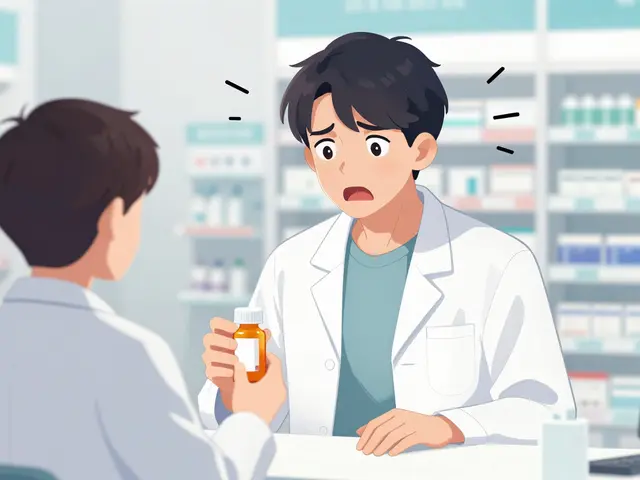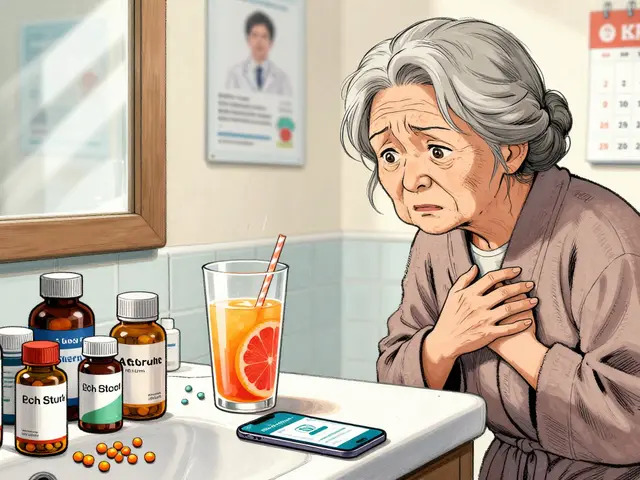
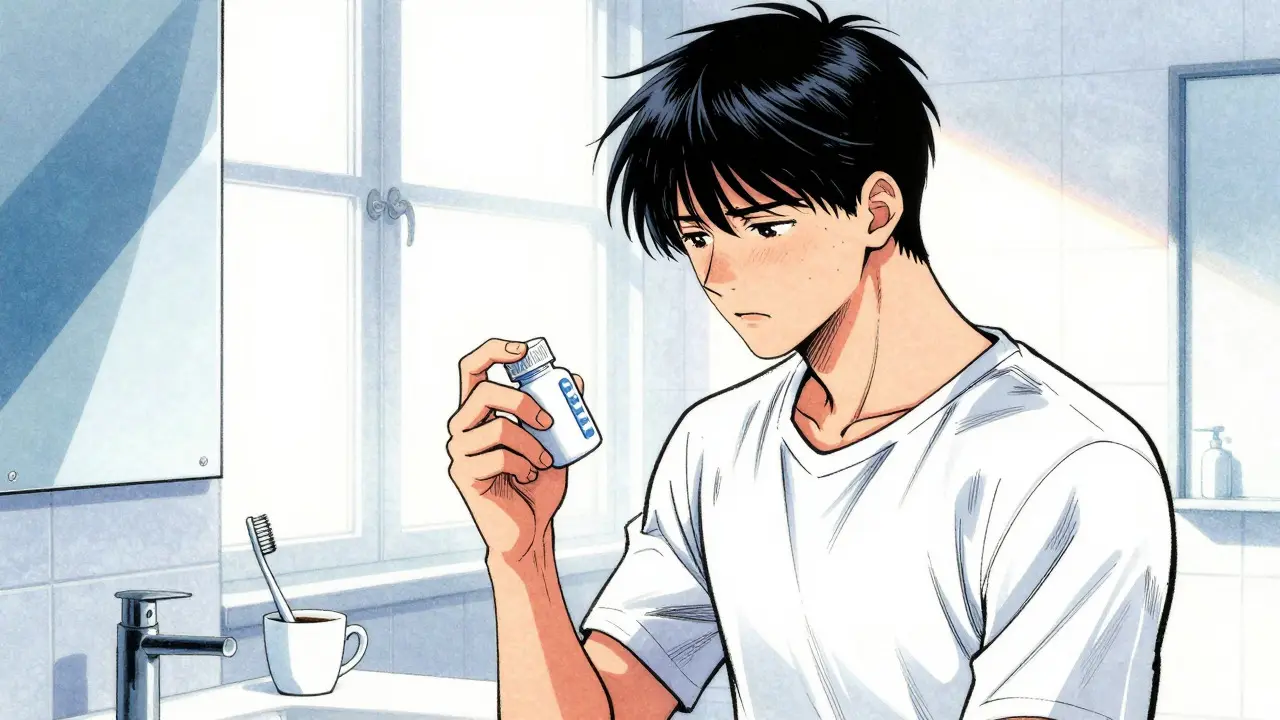
You take your morning coffee. You brush your teeth. But what about that little white pill sitting on the counter? For millions of people, skipping a dose feels harmless. Maybe you forgot. Maybe you felt better. Maybe it was just too early in the morning to deal with another task. But here is the hard truth: skipping doses isn't just a minor inconvenience. It can be dangerous.
When we talk about prescription labels, we aren't just talking about a piece of paper. We are talking about a contract between you and your health. The instructions printed there-"take every 8 hours," "take with food," or "do not miss a dose"-are based on precise science. Ignoring them disrupts the delicate balance your body needs to fight illness, manage chronic conditions, or prevent life-threatening events.
The Science Behind the Clock: Why Timing Matters
To understand why you shouldn't skip doses, you need to look at how drugs work inside your body. This concept is called pharmacokinetics, which simply means how your body absorbs, distributes, metabolizes, and excretes a medication.
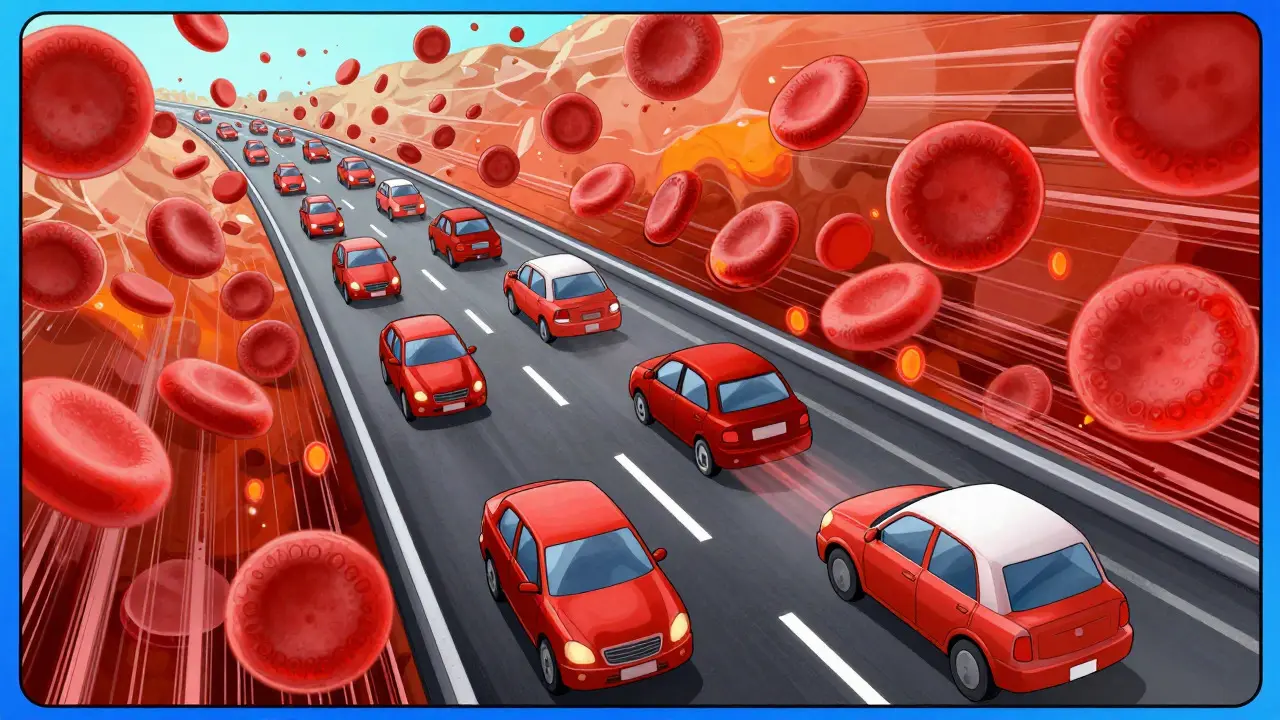
Imagine your bloodstream as a highway. For a medication to work, it needs to maintain a steady flow of traffic within a specific range, known as the therapeutic window. If the traffic gets too sparse (because you skipped a dose), the medicine stops working. If it gets too crowded (because you double-dosed to make up for it), you risk toxicity or severe side effects.
For many medications, especially those treating chronic conditions like hypertension or diabetes, consistency is everything. High blood pressure often has no symptoms until it causes damage. If you skip your antihypertensive medication, your blood pressure can spike unpredictably, straining your heart and blood vessels. According to data from the American Heart Association, consistent use of these medications significantly reduces the risk of stroke and heart attack. Skipping doses creates a rollercoaster effect that your cardiovascular system doesn't handle well.
The Antibiotic Trap: Why Finishing the Course Is Non-Negotiable
One of the most common mistakes patients make involves antibiotics. You have an infection, you start taking the pills, and after three days, you feel great. So, you stop. This seems logical, but it is biologically disastrous.
Antibiotics work by killing bacteria. The first few doses kill the weakest bacteria, making you feel better. However, the strongest, most resilient bacteria may still be hiding out. If you stop now, those survivors multiply. Worse, they adapt. This leads to antibiotic resistance, where the bacteria become immune to the drug. When you get sick again, that same antibiotic might not work. The Centers for Disease Control and Prevention (CDC) emphasizes completing the full course-usually 7 to 14 days-to ensure all pathogens are eradicated. Skipping doses here doesn't just hurt you; it contributes to a global public health crisis.
High-Stakes Medications: Where Seconds Count
While skipping a vitamin might be negligible, missing doses of certain critical medications can be fatal. These drugs have narrow therapeutic windows, meaning the difference between a helpful dose and a harmful one is tiny.
- Anticoagulants (Blood Thinners): Drugs like warfarin prevent clots. If you skip a dose, your blood may clot too easily, risking a stroke or pulmonary embolism. If you take too much, you risk internal bleeding. Patients on these meds require regular monitoring of their International Normalized Ratio (INR).
- Immunosuppressants: Organ transplant recipients take these to stop their bodies from rejecting the new organ. A missed dose can trigger acute rejection, potentially leading to the loss of the transplanted organ.
- Diabetes Medications: Insulin and other glucose-lowering drugs must align with meal timing. Taking them without eating can cause hypoglycemia (dangerously low blood sugar), while skipping them can lead to hyperglycemia or diabetic ketoacidosis.
As Dr. Arif Nazir, Chief Medical Officer of Abode Care Partners, notes, many older adults rely on these medications for day-to-day survival. For them, adherence isn't optional; it's existential.
| Medication Class | Primary Function | Risk of Skipping | Recommended Action if Missed |
|---|---|---|---|
| Antibiotics | Kill bacterial infections | Recurrence, antibiotic resistance | Take as soon as remembered; do not double dose |
| Blood Pressure Meds | Reduce vascular strain | Hypertensive crisis, stroke, heart damage | Take immediately unless close to next dose |
| Anticoagulants | Prevent blood clots | Stroke, deep vein thrombosis, bleeding | Contact doctor/pharmacist for specific guidance |
| Insulin/Diabetes Meds | Regulate blood sugar | Hypoglycemia, ketoacidosis | Check blood sugar; adjust based on provider protocol |
Why Do People Skip Doses? Understanding the Barriers
If timing is so important, why is non-adherence such a massive problem? It’s rarely because patients don’t care. It’s usually due to systemic or behavioral barriers.
Forgetfulness is the number one culprit. Life gets busy. Work schedules change. Routines break. EmblemHealth reports that misunderstanding instructions is also a major factor. Have you ever looked at a label that says "QID" (four times a day) and assumed it meant four times a week? Confusion is common. Skepticism plays a role too. If you feel fine, why take a pill? Fear of side effects also drives people to skip doses secretly, hoping the bad feelings will go away without telling their doctor.
Financial constraints are another silent barrier. In Australia and elsewhere, if co-pays or out-of-pocket costs rise, patients might stretch a month's supply over six weeks, effectively skipping doses daily. This "self-adjusting" dosing schedule is unpredictable and dangerous.
Practical Strategies to Never Miss a Beat
You don't need a medical degree to stay on track. You need systems. Here are proven strategies to improve your medication adherence.
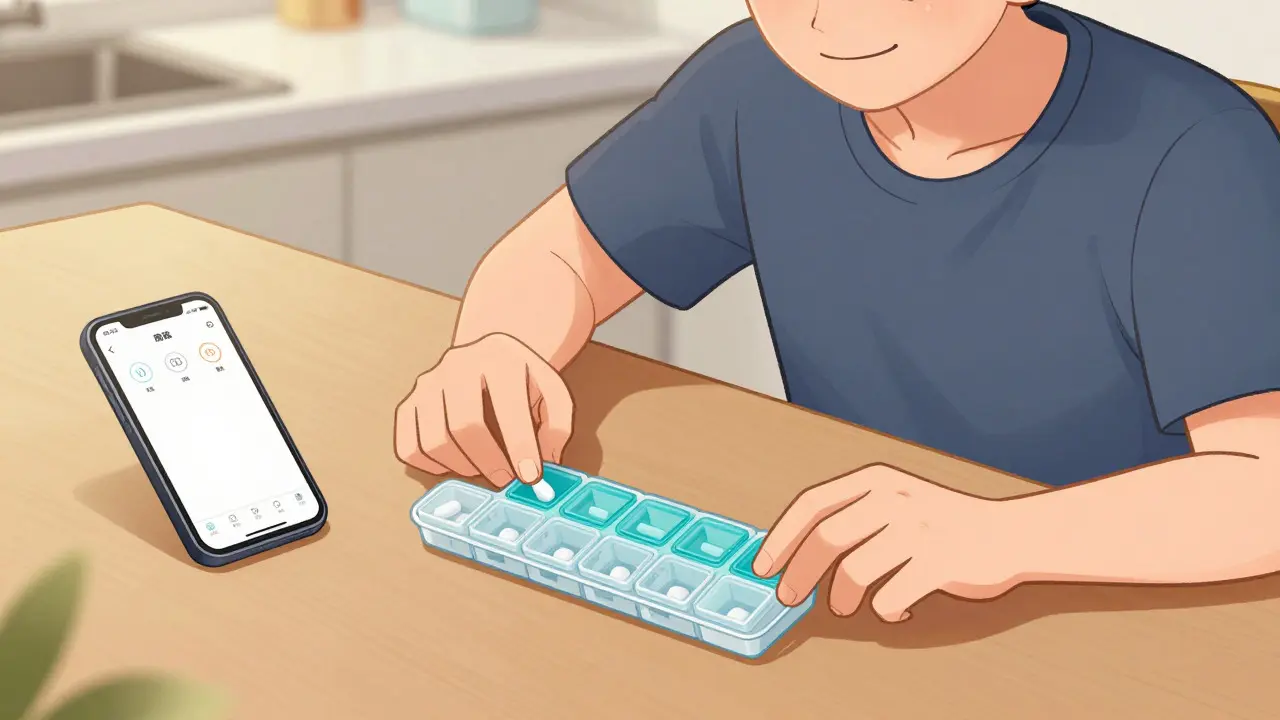
- Use a Pill Organizer: Weekly pillboxes are cheap and effective. Seeing an empty slot gives you immediate visual feedback that you’ve taken your dose. Many pharmacies offer these for free.
- Link to Existing Habits: Pair your medication with something you already do automatically. Brush your teeth? Take your evening meds then. Drink morning coffee? Take your morning meds then. This is called habit stacking.
- Leverage Technology: Smartphone alarms are powerful. Set recurring reminders for each dose. Apps like Medisafe or MyTherapy can track your history and alert you if you’re falling behind.
- The Teach-Back Method: When your doctor prescribes a new med, repeat the instructions back to them. "So, I take this twice a day, with food, right?" This confirms understanding and catches errors early.
- Simplify Your Regimen: Talk to your pharmacist. Can some doses be combined? Are there once-a-day alternatives to three-times-a-day pills? Reducing complexity increases adherence.
The Role of Pharmacists in Your Health Journey
Your pharmacist is an underutilized resource. They are medication experts. Don't just drop off your prescription and leave. Ask questions. "What happens if I miss this?" "Does this interact with my other meds?" "Is this best taken in the morning or night?"
In Australia, community pharmacists play a vital role in chronic disease management. They can perform medication reviews, identify potential interactions, and help you organize your regimen. If you're struggling, ask for a consultation. It’s confidential, professional, and often free.
Conclusion: Respect the Label
Skipping doses might seem like a small act of rebellion against a busy life, but the consequences can be profound. From antibiotic resistance to organ failure, the stakes are high. By respecting the timing on your prescription labels, using simple tools like pill organizers and alarms, and communicating openly with your healthcare team, you take control of your health. Consistency isn't just a good idea; it's the foundation of effective treatment.
What should I do if I miss a dose of my medication?
Generally, take the missed dose as soon as you remember. However, if it is almost time for your next scheduled dose, skip the missed one and resume your regular schedule. Do not double up to make up for a missed dose unless specifically instructed by your doctor or pharmacist, as this can lead to toxicity. Always check the patient information leaflet for specific guidance.
Why is it important to finish all my antibiotics even if I feel better?
Feeling better means the strongest bacteria have been weakened, but not necessarily killed. Stopping early allows surviving bacteria to multiply and potentially develop resistance to the antibiotic. This makes future infections harder to treat. Completing the full course ensures the infection is fully eradicated.
Can taking medication with food affect its effectiveness?
Yes, significantly. Some medications require food to prevent stomach upset or to aid absorption. Others must be taken on an empty stomach because food blocks their absorption into the bloodstream. Always follow the label instructions regarding food intake to ensure the drug works as intended.
How does poor medication adherence impact healthcare costs?
Poor adherence leads to worsened health outcomes, resulting in more doctor visits, emergency room trips, and hospitalizations. Studies suggest non-adherence accounts for a significant percentage of hospital admissions. Managing conditions properly through adherence is far cheaper than treating complications arising from uncontrolled disease.
What is the 'teach-back' method in medication management?
The teach-back method is a communication technique where patients repeat medication instructions in their own words to confirm understanding. It helps healthcare providers identify misunderstandings immediately, ensuring patients know exactly when, how, and why to take their medication.