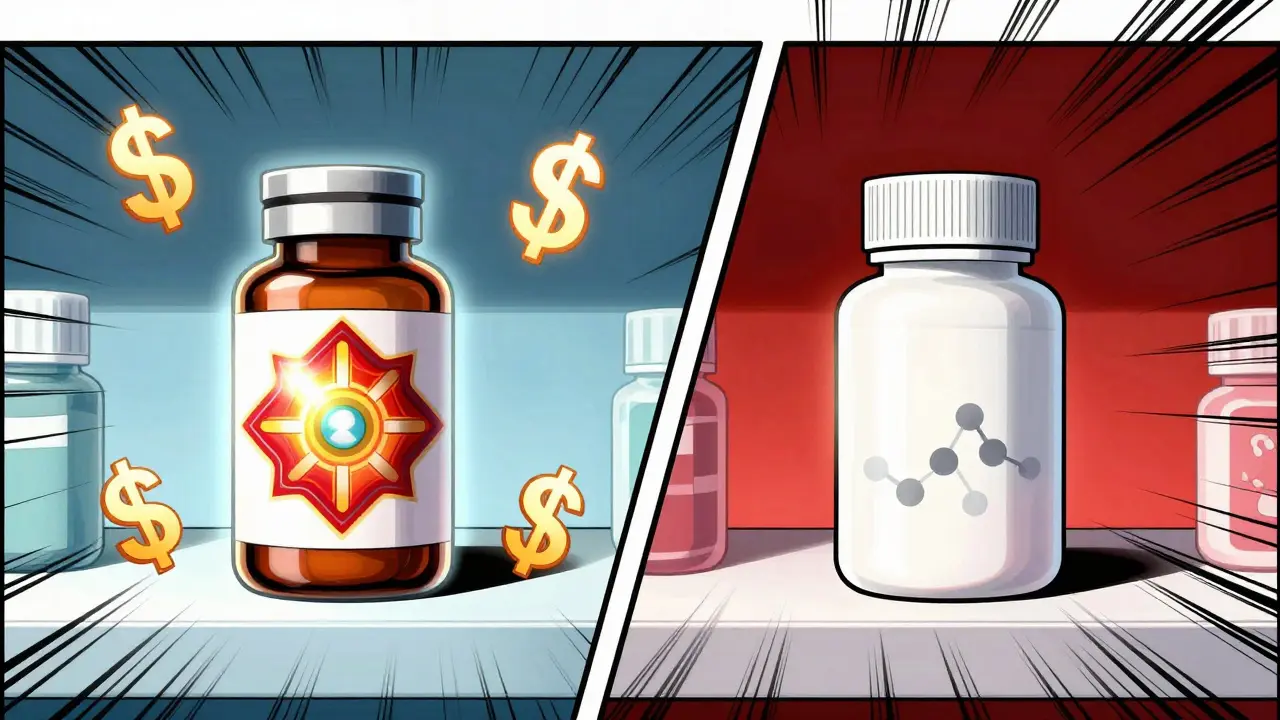
Imagine buying a bottle of ibuprofen. One box costs $40 because it has a fancy logo you recognize from TV commercials. The other box, sitting right next to it with plain white packaging, costs $4. They contain the exact same active ingredient, work in your body in the exact same way, and meet the same strict safety standards. Why is there such a massive price gap? The answer isn't magic-it's economics, regulation, and a bit of history.
For patients and insurers alike, generic medications are the backbone of affordable healthcare. But understanding *why* they cost less requires looking under the hood of the pharmaceutical industry. It’s not just about cheaper manufacturing; it’s about who pays for research, how competition drives prices down, and where the hidden costs sometimes hide.
The Origin Story: How Generics Became Legal
To understand today’s savings, we have to look back at 1984. Before this year, if a company invented a new drug, they held a patent that blocked anyone else from making it for years-often decades. When the patent expired, competitors could technically make the drug, but they had to repeat all the expensive clinical trials to prove it was safe. That process took years and cost millions, so few companies bothered.
This changed with the Hatch-Waxman Act, officially known as the Drug Price Competition and Patent Term Restoration Act. This landmark legislation created a shortcut called the Abbreviated New Drug Application (ANDA) process. Instead of running full clinical trials on humans, generic manufacturers only needed to prove their version was bioequivalent to the brand-name drug. In simple terms, they had to show the drug entered the bloodstream at the same rate and reached the same concentration levels.
This shift balanced two competing needs: rewarding innovators for their risk while ensuring patients had access to affordable alternatives once patents expired. Today, generics account for roughly 90% of all prescriptions dispensed in the United States, yet they represent only about 1.5% of total healthcare spending. That disparity is the core of the savings story.
What Drives the Price Down?
The primary reason generic drugs are cheaper is the absence of Research and Development (R&D) costs. Developing a new brand-name drug can cost billions of dollars and take over a decade. Pharmaceutical companies recoup these costs by charging high prices during the patent-protected period. Generic manufacturers skip this step entirely. They don’t pay for the initial discovery or the large-scale Phase III clinical trials. Their main investment is in manufacturing and proving bioequivalence.
Competition is the second major driver. According to the Food and Drug Administration (FDA), when a single generic competitor enters the market, prices often drop to 80-85% of the brand-name price within the first year. If multiple generics enter, the price plummets further. For example, when generic versions of lurasidone hydrochloride (brand name Latuda) hit the market, the price for a 30-day prescription fell from approximately $1,400 to less than $60. Similarly, pemetrexed (Alimta) saw prices drop from around $3,800 to $500 per month. These aren’t marginal cuts; they are dramatic reductions that save insurers and patients billions.
| Factor | Brand-Name Drug | Generic Drug |
|---|---|---|
| R&D Costs | Billions of dollars (recovered via high pricing) | Minimal (no initial R&D required) |
| Clinical Trials | Required (Phase I-III) | Not required (Bioequivalence study only) |
| Average Copay | $56.12 | $6.16 |
| Price Drop Timeline | N/A (Protected by patent) | 80-85% reduction in first year of competition |
| Marketing Spend | High (TV ads, doctor visits) | Low to None |
Marketing also plays a role. Brand-name companies spend heavily on advertising to doctors and consumers to build loyalty. Generic companies rely on pharmacists substituting their product automatically. Since they don’t need to convince you to buy them through Super Bowl ads, those costs aren’t passed on to you.
Quality Concerns: Are Generics Just as Good?
A common question is whether the lower price means lower quality. The short answer is no. The FDA mandates that generic drugs must meet the same strict standards for quality, strength, purity, and stability as brand-name drugs. They must contain the same active ingredient in the same amount. The only differences allowed are in inactive ingredients, like dyes or fillers, which generally do not affect how the drug works.
Bioequivalence is the key metric here. If a generic drug delivers the active ingredient into your system too slowly or too quickly, it fails approval. Studies consistently show that generics provide identical therapeutic benefits. In fact, many hospitals and health systems prefer generics not just for cost, but because the supply chain is more robust with multiple manufacturers producing the same molecule.
The Hidden Complexity: Not All Generics Are Equal
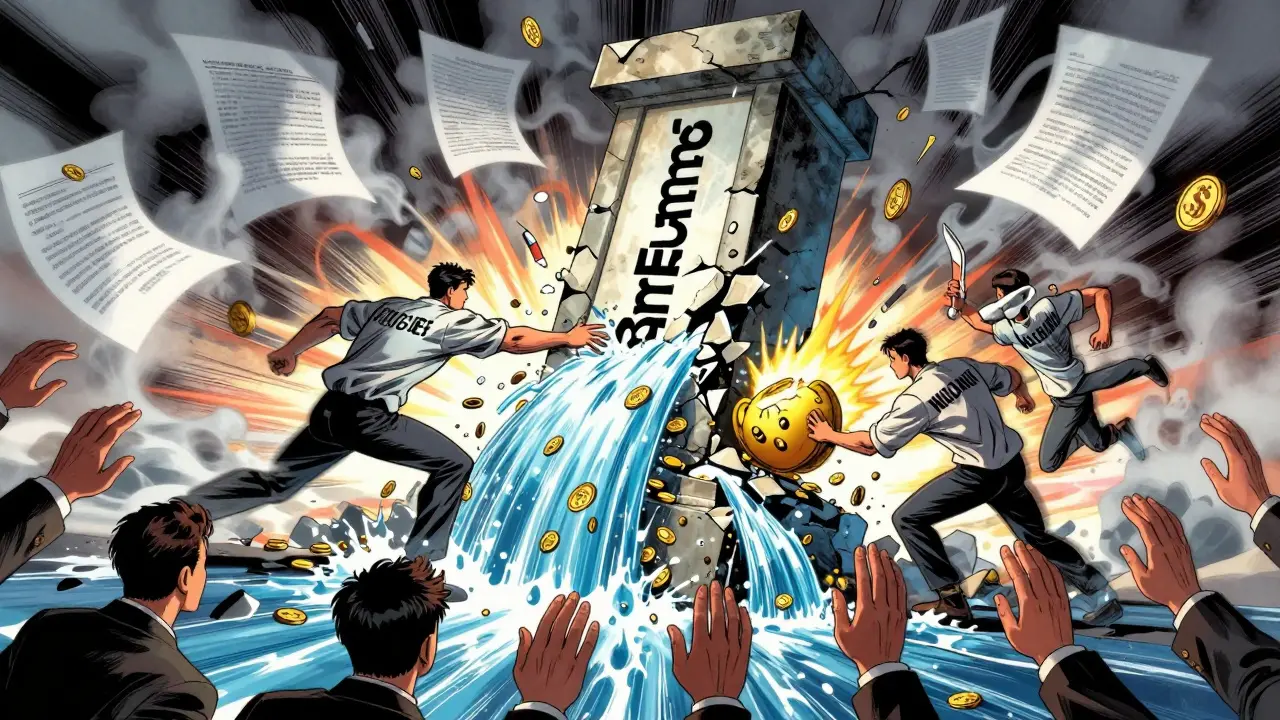
While generics save money overall, the system isn’t perfect. A 2022 study published in JAMA Network Open revealed a troubling trend: some generic drugs are priced significantly higher than others, even when therapeutic alternatives exist. Researchers found that certain "high-cost" generics were up to 15.6 times more expensive than equivalent options. This happens due to a lack of competition. If only one or two companies manufacture a specific generic, they can charge more.
Another issue is "spread pricing" by Pharmacy Benefit Managers (PBMs). PBMs negotiate prices between drug manufacturers, pharmacies, and insurers. Sometimes, a PBM might pay a pharmacy $20 for a generic drug but charge the insurer $30, keeping the $10 difference. This practice can obscure true costs and sometimes results in patients paying more out-of-pocket than necessary, especially if their insurance plan doesn’t factor in the lowest available cash price.
This complexity means that "generic" doesn’t always mean "cheapest." For instance, a patient with a high-deductible plan might find that paying cash for a generic using a coupon service like GoodRx is cheaper than using their insurance. Data shows that 78% of people who compared prices found generics cheaper through cash payment rather than insurance in certain scenarios.
How Much Money Do We Actually Save?
The scale of savings is staggering. In 2022 alone, generic and biosimilar medicines generated $408 billion in savings for the U.S. healthcare system. Over the past decade, cumulative savings have reached $2.9 trillion. For an individual, this translates to lower copays. The average copay for a generic drug is $6.16, compared to $56.12 for a brand-name drug-a nearly ninefold difference. Furthermore, 93% of generic prescriptions are dispensed for under $20, whereas only 59% of brand-name drugs fall into that category.
These savings help keep insurance premiums lower for everyone. If insurers had to cover brand-name prices for every prescription, monthly premiums would skyrocket. By leveraging generics, insurers can allocate funds to other areas of care, such as hospital services or preventive medicine.
Strategies to Maximize Your Savings
Understanding why generics are cheap is one thing; knowing how to get the best deal is another. Here are practical steps you can take:
- Ask for Substitution: Ensure your doctor writes "dispense as written" only if absolutely necessary. Otherwise, allow the pharmacist to substitute the brand with a generic. Most states have laws allowing this automatic substitution.
- Compare Cash Prices: Don’t assume insurance gives you the best rate. Use tools like GoodRx or SingleCare to check the cash price at local pharmacies. For some generics, the cash price with a coupon is lower than your insurance copay.
- Consider Mail-Order: For maintenance medications (like those for blood pressure or cholesterol), mail-order services often offer 90-day supplies at a discounted rate.
- Review High-Cost Generics: If you’re on a generic that seems expensive, ask your doctor or pharmacist if there’s a lower-priced therapeutic alternative. As the JAMA study showed, better options often exist.
- Check for Biosimilars: As complex biologic drugs lose patent protection, "biosimilars" (the generic equivalent for biologics) are entering the market. These are expected to generate an additional $150 billion in savings between 2023 and 2027.
The Future of Generic Pricing
The landscape is evolving. The Inflation Reduction Act of 2022 includes provisions designed to save Medicare beneficiaries $105 billion through 2031, largely by encouraging generic and biosimilar competition. However, challenges remain. The FDA has identified over 200 generic medications as "at-risk" for shortages, which can temporarily spike prices when supply is low. Additionally, regulators are investigating "pay-for-delay" agreements, where brand-name companies pay generic makers to delay launching their cheaper versions.
Despite these hurdles, the consensus among healthcare economists is clear: generic competition remains the most effective tool for reducing drug costs. As more blockbuster drugs lose patent protection in the coming years, we can expect continued annual savings of $250-350 billion. For patients, staying informed and proactive about their prescriptions is the best way to ensure they benefit from these systemic savings.
Are generic medications exactly the same as brand-name drugs?
Yes, regarding active ingredients, dosage, strength, route of administration, and safety. The FDA requires generics to be bioequivalent, meaning they perform identically in the body. Differences may exist in inactive ingredients like colors or flavors, but these do not affect therapeutic efficacy.
Why do some generic drugs still cost a lot?
If only one or two manufacturers produce a specific generic, there is little competition, allowing them to set higher prices. Additionally, pharmacy benefit manager practices like spread pricing can inflate costs for insurers and patients, even for generic items.
Is it ever better to pay cash for a generic instead of using insurance?
Yes. With high-deductible plans or inefficient insurance networks, the negotiated insurance price might be higher than the cash price available through discount cards like GoodRx. Always compare the two before filling your prescription.
What is the Hatch-Waxman Act?
Passed in 1984, this law created the Abbreviated New Drug Application (ANDA) pathway. It allows generic manufacturers to bypass costly clinical trials by proving their drug is bioequivalent to the brand-name version, significantly lowering development costs and time-to-market.
Do generic drugs have the same side effects as brand-name drugs?
Generally, yes, because the active ingredient is identical. However, rare allergic reactions to inactive ingredients (fillers or dyes) can occur if a patient switches between different generic manufacturers. If you experience new issues after switching, consult your doctor.