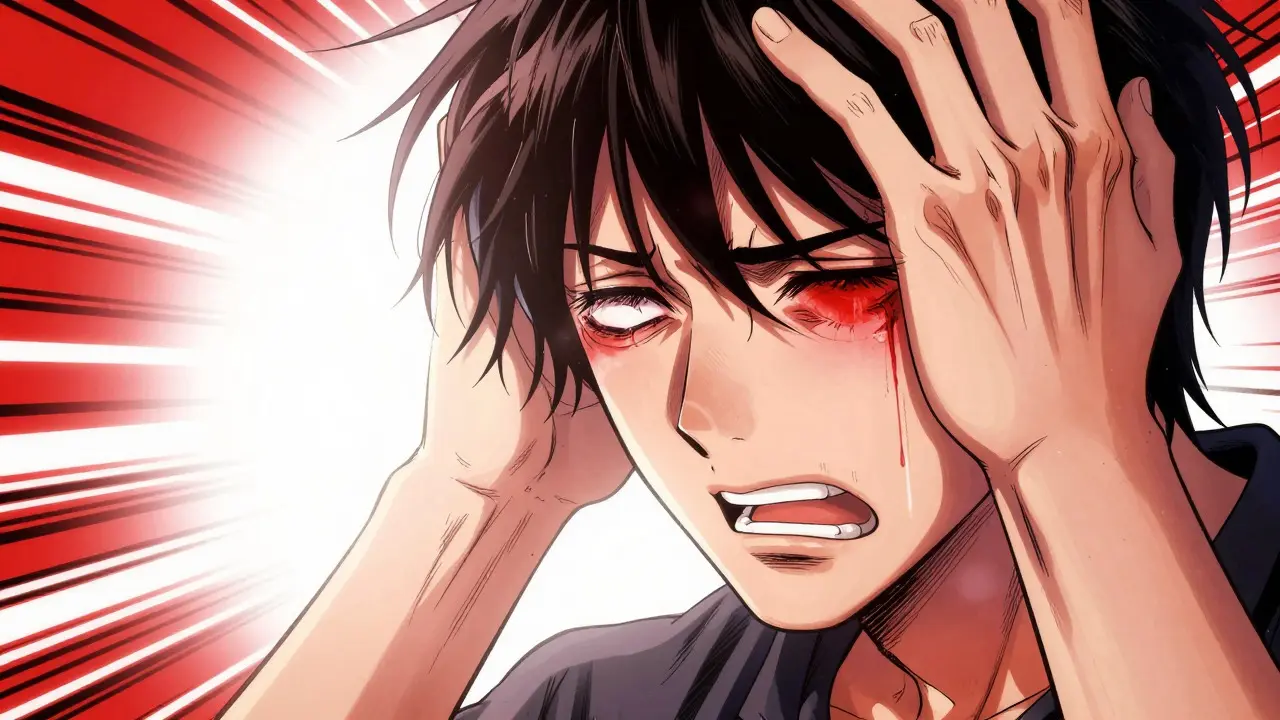
Your eye hurts. It’s red. Light feels like a physical assault. You might think it’s just an infection or tiredness, but if you ignore these signs, you could be staring down the barrel of permanent vision loss. This is Uveitis, defined as an inflammatory condition affecting the uvea, the middle layer of the eye comprising the iris, ciliary body, and choroid. It is not just a nuisance; it is the third leading cause of blindness worldwide. The good news? If you catch it early and treat it aggressively with the right medication, you can save your sight.
We need to talk about what is actually happening inside your eye, why it happens, and how steroid therapy works to stop the damage before it becomes irreversible. Let’s break this down so you know exactly what to look for and what to expect from your doctor.
What Is Uveitis and Why Does It Matter?
To understand uveitis, you first have to understand the anatomy of the eye. Think of your eye like a camera. The lens focuses light, but the parts that keep the camera functioning are vital too. The uvea is the vascular middle layer of the eye that provides essential nutrients to ocular structures. It consists of three main parts: the iris (the colored part), the ciliary body (behind the iris), and the choroid (the blood vessel-rich layer at the back).
When this layer gets inflamed, it swells. That swelling blocks fluid flow, raises pressure, and damages delicate tissues. Without treatment, scar tissue forms. Scar tissue in the eye doesn’t heal nicely-it distorts vision permanently. According to the Lions Eye Institute, uveitis requires urgent detection because untreated inflammation leads directly to scarring and blindness.
The Four Types of Uveitis: Where Is the Inflammation?
Not all uveitis is the same. Doctors classify it based on where the inflammation is located. This classification dictates your symptoms and, more importantly, your treatment plan. The Standardization of Uveitis Nomenclature (SUN) working group established these categories to help clinicians communicate clearly.
| Type | Location Affected | Common Symptoms | Risk Level |
|---|---|---|---|
| Anterior Uveitis | Iris and Ciliary Body | Redness, pain, light sensitivity, blurred vision | High urgency, but generally better prognosis with treatment |
| Intermediate Uveitis | Vitreous Cavity (Pars Planitis) | Floaters, blurred vision, usually less pain | Chronic risk, high chance of macular edema |
| Posterior Uveitis | Retina and Choroid | Gradual vision loss, floaters, often painless initially | Highest risk for permanent vision loss |
| Panuveitis | All layers of the uvea | Combination of all above symptoms | Most severe form, complex management required |
Anterior uveitis is the most common form, accounting for roughly 75-90% of cases. It hits hard and fast. You’ll notice redness and pain immediately. Intermediate uveitis is trickier because it often lacks pain. You might just see floaters-those annoying squiggly lines-and assume it’s normal aging. It isn’t. Posterior uveitis affects the retina, which means if you don’t treat it, you lose central vision. Panuveitis is the worst-case scenario, involving every layer simultaneously.
Why Did This Happen? Understanding the Causes
You’re probably asking yourself, "Why me?" Here is the frustrating truth: in about one-third of cases, doctors never find a specific cause. This is called idiopathic uveitis, which refers to inflammation of unknown origin where no infectious agent or systemic disease is identified. The Cleveland Clinic notes that between 50% and 70% of cases fall into this category. But when there is a cause, it usually falls into three buckets.
- Autoimmune Diseases: Your immune system attacks your own body. Conditions like ankylosing spondylitis, multiple sclerosis, and reactive arthritis are frequent culprits. If you have joint pain along with eye issues, tell your doctor.
- Infections: Germs can invade the eye. We aren’t just talking about pink eye. Viruses like herpes simplex, herpes zoster (shingles), and cytomegalovirus (CMV) can trigger uveitis. Bacterial infections like syphilis and fungal infections like histoplasmosis are also possible.
- Trauma or Surgery: A blow to the eye or complications from previous eye surgery can spark an inflammatory response.
Knowing the cause matters because if it’s an infection, steroids alone won’t fix it-you need antibiotics or antivirals too. If it’s autoimmune, you need long-term immune suppression.
Steroid Therapy: The First Line of Defense
This is the core of treatment. When inflammation threatens your vision, you need to put out the fire quickly. Corticosteroid therapy is the primary medical intervention used to reduce inflammation and prevent permanent ocular damage in uveitis patients. Steroids suppress the immune system’s attack on your eye tissues. But how you get those steroids depends entirely on where the inflammation is.
For Anterior uveitis, doctors prescribe topical corticosteroid eye drops. A common choice is prednisolone acetate 1%. You might start by putting a drop in every hour while awake. Yes, it’s annoying. But as the inflammation subsides, your doctor will taper the dose slowly. Stopping too soon causes a rebound flare-up.
If the inflammation is deeper-like in Intermediate or Posterior uveitis-drops don’t reach the target. Here, doctors use periocular injections (shots around the eye), intravitreal implants (devices placed inside the eye that release steroids over time), or oral steroids like prednisone. Systemic steroids work throughout the body, which helps if the uveitis is linked to a whole-body autoimmune issue.
The Double-Edged Sword: Side Effects of Steroids
Steroids save your vision, but they come with risks. You can’t take them forever without consequences. The two biggest threats are Steroid-induced glaucoma, which is elevated intraocular pressure caused by prolonged corticosteroid use, potentially damaging the optic nerve, and cataracts.
Glaucoma happens because steroids can block the drainage channels in your eye. Pressure builds up. If it stays high, it crushes the optic nerve. Studies suggest that 30-40% of long-term steroid users face elevated eye pressure. That’s why regular monitoring of your intraocular pressure is non-negotiable during treatment.
Cataracts develop faster with steroid use. The lens clouds over, causing blurry vision and glare. While cataract surgery can fix this later, it’s another complication you want to avoid if possible. For chronic cases, doctors may introduce immunomodulatory therapy-drugs that control the immune system without the heavy side effects of steroids. This is known as "steroid-sparing" therapy.
Recognizing the Emergency: When to See a Doctor
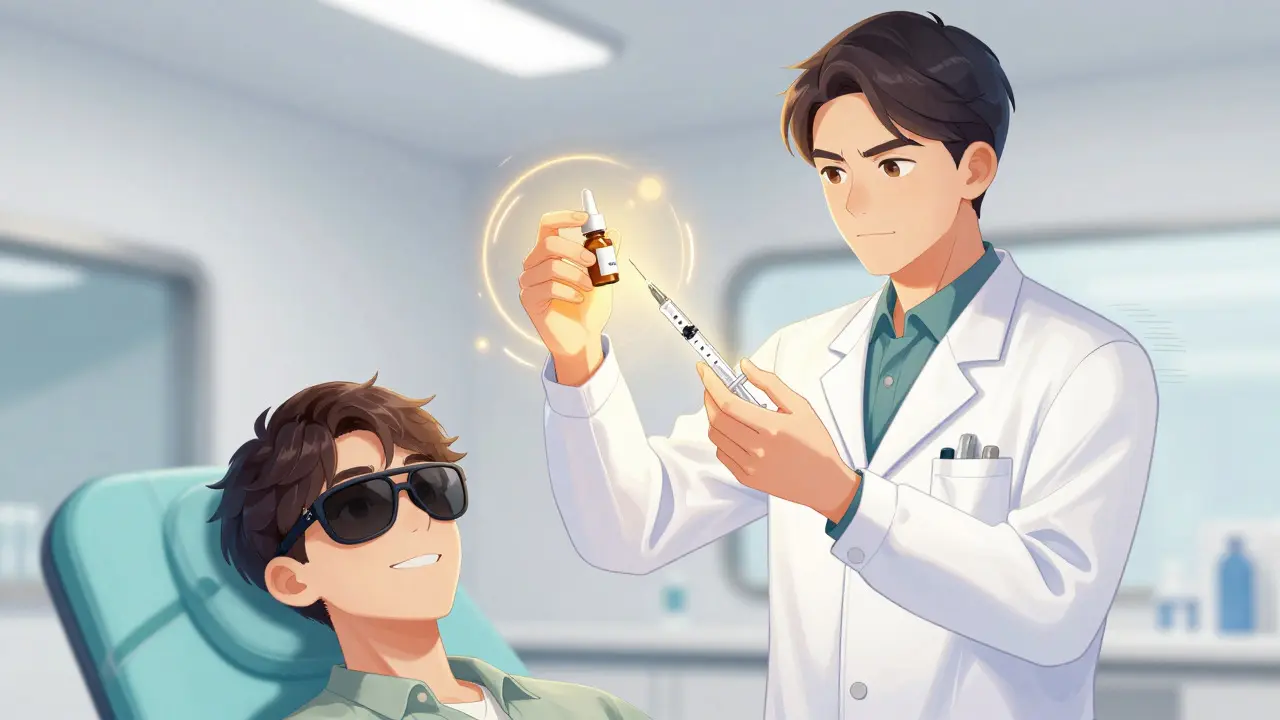
Time is vision. The National Eye Institute stresses that early symptoms usually start suddenly. Don’t wait for a routine checkup. Go now if you experience:
- Eye Redness: Not just a little pink, but a deep, angry red.
- Pain: Especially if it worsens when you read or focus.
- Photophobia: Sensitivity to light that makes you want to close your eyes.
- Blurred Vision: Sudden decrease in clarity.
- Floaters: New spots or squiggles in your field of view.
UCHealth notes that quick action is the best way to prevent vision loss. If you have posterior uveitis, you might not feel pain. You might just notice your vision getting worse over weeks. That delay is dangerous. Assume any new visual disturbance is uveitis until a specialist proves otherwise.
Living With Uveitis: Management and Outlook
Uveitis can be acute (lasting less than six weeks) or chronic (persisting longer). Acute anterior uveitis often resolves completely with proper treatment. Chronic forms, especially intermediate and posterior types, require lifelong management. You’ll need regular visits to your ophthalmologist to monitor for complications like macular edema-swelling of the central retina that compromises detailed vision.
Don’t panic if you’re diagnosed. Modern medicine has powerful tools. Steroids, immunomodulators, and surgical interventions can keep the inflammation at bay. The key is partnership with your eye care team. Take your meds exactly as prescribed. Attend every follow-up. Report new symptoms immediately. Your eyes are worth the effort.
Is uveitis contagious?
Generally, no. Uveitis itself is an inflammatory response, not an infection you can pass to others. However, if the underlying cause is an infectious virus like herpes simplex or syphilis, that specific pathogen can be contagious through direct contact or bodily fluids, even if the eye inflammation isn't directly transmitted via tears.
How long does steroid treatment last?
It varies widely. Acute anterior uveitis might require drops for 2 to 4 weeks, tapered gradually. Chronic or posterior uveitis may require months or years of treatment, often transitioning to steroid-sparing immunomodulatory drugs to reduce side effects like cataracts and glaucoma.
Can uveitis cause total blindness?
Yes, if left untreated or poorly managed. Uveitis is the third leading cause of blindness worldwide. Complications like macular edema, cataracts, glaucoma, and retinal scarring can lead to permanent vision loss. Early diagnosis and aggressive anti-inflammatory treatment are critical to preventing this outcome.
What is idiopathic uveitis?
Idiopathic uveitis refers to cases where no specific cause-such as an infection, trauma, or autoimmune disease-can be identified despite thorough testing. Approximately 30% to 70% of uveitis cases are classified as idiopathic, meaning the exact trigger remains unknown.
Are eye drops enough for all types of uveitis?
No. Topical steroid drops are effective primarily for anterior uveitis, which affects the front of the eye. Intermediate, posterior, and panuveitis involve deeper structures like the vitreous and retina, where drops cannot penetrate effectively. These forms typically require injections, implants, or oral medications.