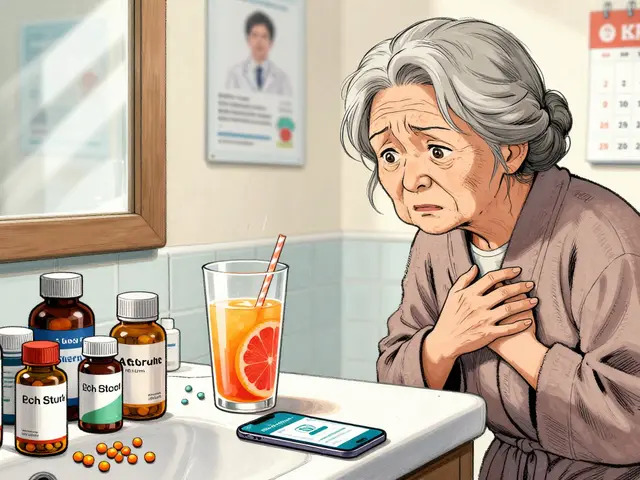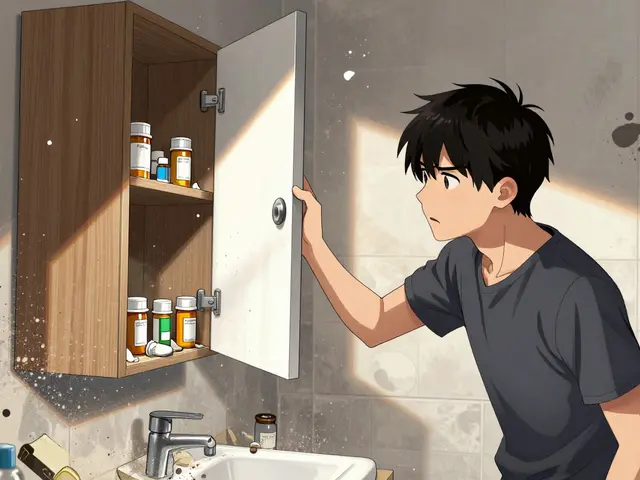
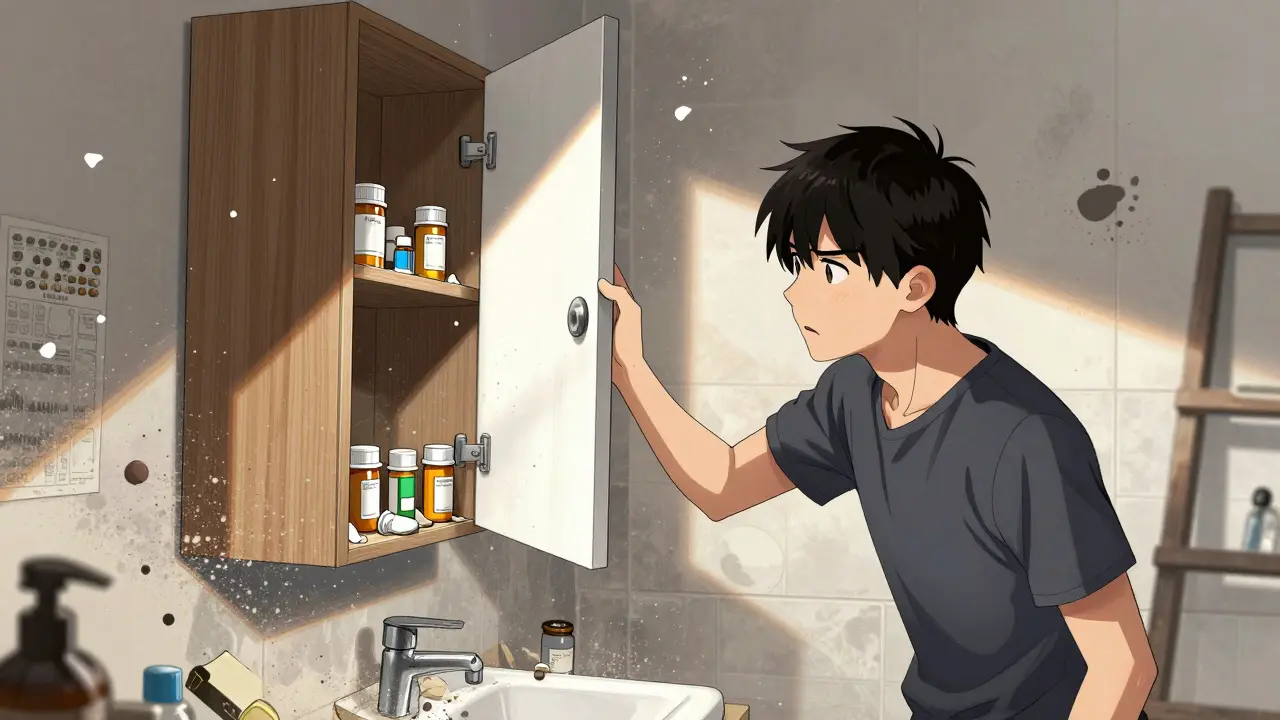
You are halfway through packing boxes for your move, or perhaps the dust from a kitchen renovation is settling on every surface in your house. In the chaos of household transitions, one critical item often gets overlooked until it is too late: your prescription medications. Leaving pills in a bathroom that has been gutted for remodeling, or tossing insulin into a hot car trunk, can ruin expensive drugs and put your health at serious risk. More dangerously, loose medications left in accessible areas during renovations create easy targets for curious children or unauthorized access.
Securing your medicines during these high-stress periods requires more than just finding a dry spot. You need a strategy that maintains strict temperature controls, ensures physical security against tampering, and manages the disposal of expired items you no longer need. This guide breaks down exactly how to protect your pharmaceutical inventory when your home environment becomes unstable.
Understanding the Risks of Transitional Storage
When your home is stable, you likely have a designated drawer or cabinet for your meds. But during a move or renovation, that routine disappears. The primary risks here are environmental damage and accidental ingestion. According to guidelines from Baystate Health, most non-refrigerated medications require storage between 59°F and 77°F (15°C-25°C). They must be kept in cool, dry places away from direct sunlight and moisture.
Bathrooms are common storage spots, but they are terrible for long-term stability due to humidity from showers. If your bathroom is being renovated, the situation worsens. Dust, construction debris, and potential water leaks can contaminate pill bottles. Furthermore, the U.S. Environmental Protection Agency (EPA) warns that medications should never be stored in vehicles exposed to extreme temperatures. On a sunny day in Melbourne, even a short drive can turn your car interior into an oven, degrading the chemical structure of your drugs.
The security aspect is equally critical. Safe Kids Worldwide specifies that medicine should be stored out of sight in a high cabinet or drawer where children cannot see it and it remains out of reach-ideally at or above counter height. When you are living out of suitcases or temporary setups, maintaining this "out of sight, out of mind" barrier becomes difficult if you are not intentional about it.
Creating a Temporary Safe Zone
If you are renovating part of your home, you need to establish a temporary command center for your medications. Do not scatter them across different rooms. Consolidate them into a single, secure location that is unaffected by the construction work.
Here is how to set up this zone effectively:
- Choose a Climate-Controlled Room: Select a bedroom or study that is sealed off from dust and noise. Avoid kitchens if cooking fumes are high, and definitely avoid basements or attics unless they are climate-controlled, as temperature fluctuations there can exceed safe limits.
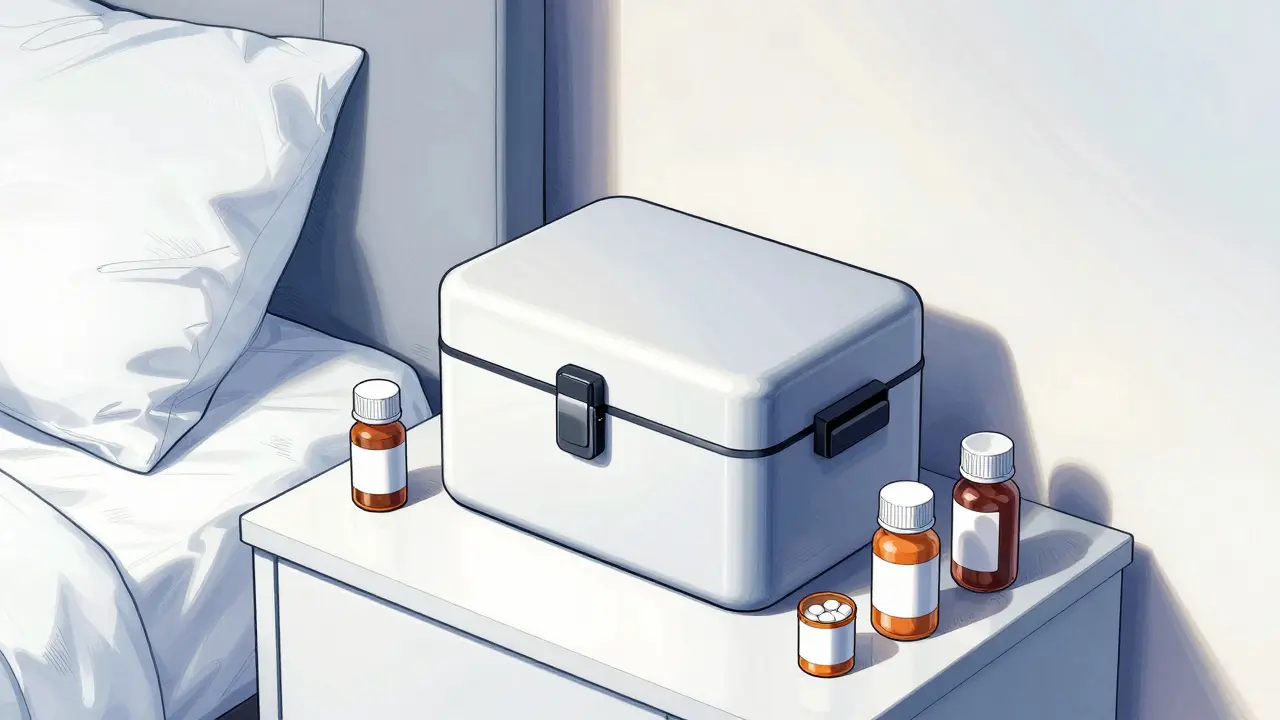
- Use a Locked Container: The EPA explicitly recommends storing medicines in a locked cabinet, closet, or safe. For temporary use, a small portable lockbox or a dedicated fire-safe box works well. These devices resist tampering and limit access to anyone who does not have the key or combination.
- Maintain Original Packaging: Always keep medications in their original prescription bottles. Consumer Reports emphasizes that removing drugs from containers makes identification difficult and increases the risk of errors. The bottle contains vital information like dosage instructions and expiration dates.
- Keep It Accessible to You: While it must be secure from others, ensure you can easily access your daily doses. Place the locked container in a room you frequent daily, such as near your bedside or coffee maker, but ensure it is elevated off the floor to avoid any potential water damage from cleaning or accidents.
This approach satisfies both the environmental needs of the drugs and the security requirements for your household. By centralizing your supply, you reduce the chance of losing track of specific medications amidst the clutter of renovation materials or moving boxes.
Packaging and Transporting Medications During Moves
Moving day brings unique challenges. You are not just storing meds; you are transporting them. The goal is to prevent breakage, maintain temperature, and ensure nothing gets lost in the shuffle of large furniture moves.
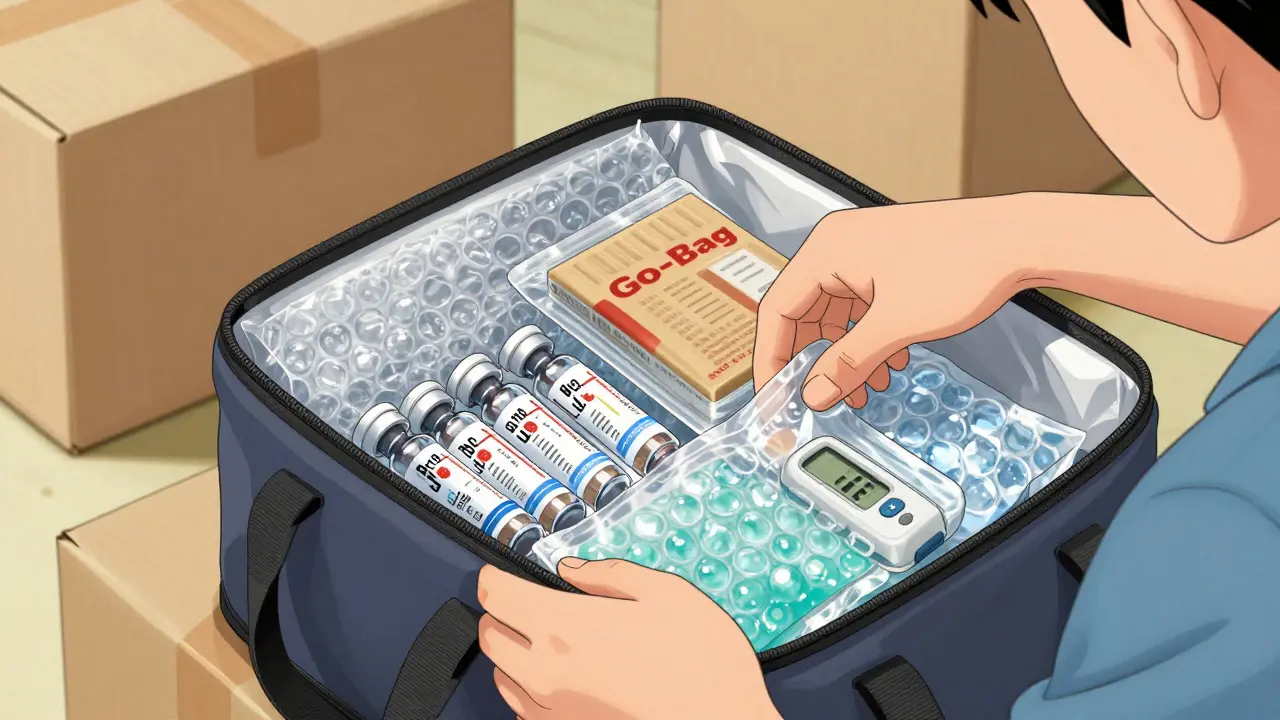
Start by creating a "Medication Go-Bag." This should be a separate, clearly labeled bag that travels with you, not with the main truck. Include all daily essentials, a few extra days' supply in case of delays, and any medical records.
For temperature-sensitive medications, such as insulin or certain biologics, standard packaging is not enough. Insulin, which is a protein, can become unstable if frozen or overheated. There is no visual way to tell if previously frozen medication is still good, so prevention is key. Use insulated cooler bags with gel ice packs. However, be careful not to let the medication touch the ice directly, as freezing can destroy the potency. Monitor the temperature using a simple digital thermometer placed inside the bag.
When packing less urgent medications for transport:
- Cushion Heavily: Wrap each bottle in bubble wrap or clothing to prevent crushing.
- Label Clearly: Mark the box "MEDICATIONS - KEEP COOL AND DRY" in bold letters. This alerts movers to handle it with care.
- Separate Liquids: Place liquid medications upright in a sealed plastic bag to prevent leakage onto other items.
Never leave medications in the moving truck overnight. Temperatures in enclosed trucks can swing wildly, especially if parked in direct sunlight. Keep your Go-Bag in your vehicle's air-conditioned cabin, ensuring it is out of direct sun rays.
Disposing of Expired or Unwanted Drugs
Renovations and moves are excellent opportunities to declutter your medicine cabinet. You likely have expired prescriptions or medications you no longer take. Improper disposal poses significant risks. A PubMed study reveals that in 67% of households, unwanted medications are saved indefinitely, stored poorly, or flushed down the sink or toilet. This creates hazards for children, pets, and the environment.
The EPA strongly recommends using drug take-back options whenever available. Pharmaceutical waste managed through these programs is incinerated at permitted facilities with strict emission controls, ensuring safe destruction. Check with local pharmacies or law enforcement agencies for scheduled take-back events or permanent drop-off kiosks.
If take-back programs are not immediately accessible, you can dispose of non-hazardous medications at home using the trash method:
- Mix with Unappealing Substances: Remove drugs from their containers and mix them with something unpalatable, such as cat litter, used coffee grounds, or dirt.
- Seal Tightly: Place the mixture in a resealable plastic bag to prevent leakage.
- Discard: Throw the sealed bag in your household trash.
Before doing this, check the label or patient information leaflet. Some controlled substances, like fentanyl patches or hydrocodone products, may have specific flushing instructions if a take-back option is not readily available. Consumer Notes indicate that certain high-risk opioids should be flushed to prevent accidental ingestion, as the risk of harm outweighs the environmental impact of flushing in those specific cases. For most other medications, the trash method is preferred over flushing to protect water supplies.
Safety Checklist for Renovators and Movers
To ensure you haven't missed anything, run through this checklist before you start packing or handing over keys to contractors.
| Action Item | Why It Matters | Status |
|---|---|---|
| Audit Inventory | Identify expired or unused meds for disposal. | [ ] |
| Select Secure Location | Ensure temp stays 59°F-77°F (15°C-25°C) and is locked. | [ ] |
| Prepare Go-Bag | Keep daily meds with you, not in the moving truck. | [ ] |
| Protect Temperature-Sensitive Items | Use insulated bags for insulin/biologics. | [ ] |
| Dispose Properly | Use take-back or trash method; avoid flushing unless specified. | [ ] |
| Inform Caregivers/Family | Ensure everyone knows the new temporary storage location. | [ ] |
By following these steps, you transform a potentially chaotic situation into a managed process. Your health depends on the integrity of your medications, and a little planning goes a long way in protecting them during life's messy transitions.
Can I store medications in my car while moving?
Only if the car is air-conditioned and the medications are kept out of direct sunlight. Never leave medications in a parked car, as interior temperatures can rise rapidly, exceeding the safe range of 59°F-77°F (15°C-25°C) and degrading the drugs. For temperature-sensitive items like insulin, use an insulated bag with monitoring.
What is the best way to dispose of old pills during a renovation?
The best method is to use a drug take-back program offered by pharmacies or law enforcement. If unavailable, mix non-hazardous pills with unappealing substances like cat litter or coffee grounds, seal them in a plastic bag, and throw them in the trash. Only flush medications if the label specifically instructs you to do so, typically for high-risk opioids.
Where should I store medications if my bathroom is being remodeled?
Move them to a dry, cool, and secure area away from the construction zone, such as a bedroom closet or a locked kitchen cabinet. Ensure the location is out of reach of children and maintains a stable temperature between 59°F and 77°F (15°C-25°C). Avoid bathrooms due to humidity, even if they are not currently under renovation.
Do I need to keep medications in their original bottles?
Yes, always keep medications in their original prescription bottles during moves or renovations. This prevents confusion, ensures you have access to dosage instructions and expiration dates, and reduces the risk of medication errors. Removing them from containers makes identification difficult and compromises safety.
How do I protect insulin during a move?
Insulin is sensitive to heat and cold. Use an insulated cooler bag with gel ice packs, but ensure the insulin does not touch the ice directly to avoid freezing. Monitor the temperature with a thermometer to keep it within the recommended range (typically 36°F-46°F or 2°C-8°C for refrigerated stock). Never leave it in a hot car or direct sunlight.