
Warfarin & Dong Quai INR Risk Calculator
INR Risk Assessment Tool
Enter your current INR level (typically 2.0-3.0 for therapeutic range) to estimate the potential increase from Dong Quai interaction.
Result
Enter your INR level to see risk assessment
(Predicted INR)
Recommendations:
- Stop Dong Quai immediately and contact your doctor
- Get INR testing within 24-48 hours
- Do not restart Dong Quai without medical approval
Why This Interaction Matters
Mixing Dong Quai with Warfarin isn't just a bad idea-it can be life-threatening. Many people don't realize how dangerous this dong quai warfarin interaction can be when combined with blood thinners. Let's break down exactly why this happens and what you need to know to stay safe.
What is Dong Quai?
Dong Quai is a traditional Chinese herb, scientifically known as Angelica sinensis, used for over 2,000 years. First documented in the Han Dynasty text Shen Nong Ben Cao Jing (100 BCE-200 CE), it's commonly called "female ginseng" and used for menstrual issues, menopause symptoms, and other gynecological conditions. Most Dong Quai comes from Gansu Province in China, where about 70% of global supply is grown. However, the herb's active compounds, including coumarin derivatives like ferulic acid and osthole, can dangerously interact with blood thinners like Warfarin.
What is Warfarin?
Warfarin is a prescription anticoagulant medication first introduced as a rodenticide in 1948 and approved for human use in 1954. It's one of the most commonly prescribed blood thinners worldwide, with over 30 million prescriptions in the U.S. alone in 2022. Warfarin works by inhibiting vitamin K-dependent clotting factors, requiring regular blood tests to monitor International Normalized Ratio (INR) levels. The goal is usually an INR between 2 and 3 for most conditions, but levels outside this range can lead to serious bleeding or clotting risks.
How Dong Quai and Warfarin Interact
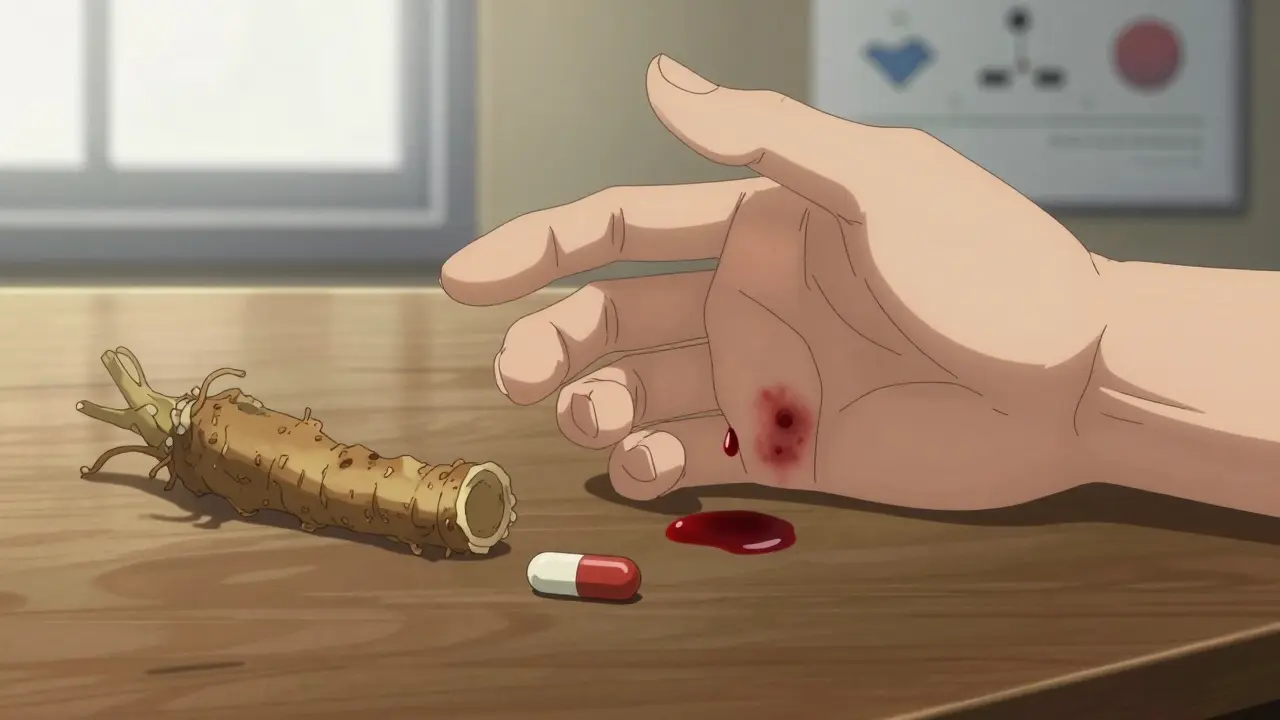
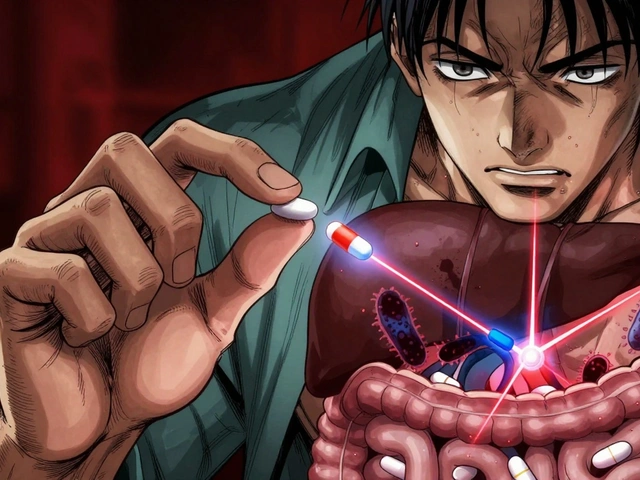
Research shows Dong Quai doesn't just add to Warfarin's effects-it multiplies the risk. According to a 2015 review in the British Journal of Clinical Pharmacology, Dong Quai contains compounds that inhibit platelet aggregation and may also interfere with cytochrome P450 enzymes responsible for breaking down Warfarin. This creates a double threat: increased bleeding from platelet effects and potentially higher Warfarin levels in the blood. A 2014 PMC study found Dong Quai significantly increased prothrombin time (PT) in animal studies without changing Warfarin concentration, confirming a pharmacodynamic interaction. In humans, even small amounts of Dong Quai can push INR levels into dangerous territory. For example, a Reddit user reported their INR spiked from 2.8 to 5.1 after starting Dong Quai for menopause, requiring hospitalization.
What the Research Shows
A 2013 PLOS ONE systematic review identified Dong Quai as one of 90 Chinese herbal medicines with documented interactions with anticoagulants. The review found that 85% of these interactions were classified as moderate to severe. The Memorial Sloan Kettering Cancer Center's 2023 Herb-Drug Interactions Database specifically lists Dong Quai as having "additive anticoagulant effects," though they note human evidence is limited. However, clinical case reports and patient forums show real-world dangers. HealthUnlocked forums documented 23 cases between 2020-2023 where Dong Quai use caused unexplained INR fluctuations, averaging a 1.7-point increase. The National Center for Complementary and Integrative Health's 2022 survey found 68% of Warfarin users didn't know about herbal interactions, yet 82% would stop using supplements if warned.

What Doctors and Guidelines Say
Major medical institutions universally warn against combining Dong Quai and Warfarin. The Cleveland Clinic's 2022 Anticoagulation Guidelines state: "It is recommended to avoid Dong Quai in warfarin-treated patients due to lack of data." The University of California San Diego's guidelines categorize Dong Quai under "Increased Risk of Bleeding" alongside ginkgo, garlic, and fish oil. Dr. Edzard Ernst, former Professor of Complementary Medicine, stated in 2019 that "the theoretical risk of enhanced anticoagulation with Dong Quai is substantial enough to warrant avoidance in patients on warfarin therapy." Dr. Catherine Ulbricht, a senior pharmacist at Massachusetts General Hospital, emphasized that Dong Quai could push INR from therapeutic levels (2.5) to dangerous levels above 4.0, increasing bleeding risk significantly. The American Heart Association's 2020 Scientific Statement lists Dong Quai as a "high-risk herb" for anticoagulant users.
What You Should Do If Taking Both
Here's what to do immediately:
- Stop taking Dong Quai and contact your healthcare provider right away.
- Get an INR test within 24-48 hours to check your blood clotting levels.
- Do not restart Dong Quai without explicit approval from both your doctor and pharmacist.
- Ask your doctor about safer alternatives for your condition-many herbal remedies have proven alternatives with lower interaction risks.
- Keep a medication log of all supplements and medications to share with healthcare providers.
Remember, herbal supplements aren't always safe just because they're natural. The United States Pharmacopeia found Dong Quai products vary up to 8-fold in active ingredient content between batches, making dosing unpredictable. Always inform your doctor about every supplement you take.
Frequently Asked Questions
Can I take Dong Quai if I'm on Warfarin?
No. Medical guidelines from the Cleveland Clinic, UC San Diego, and Memorial Sloan Kettering all advise avoiding Dong Quai entirely while taking Warfarin. The risk of dangerous bleeding is too high, and there's no safe dosage established for this combination.
What symptoms should I watch for?
Watch for unusual bruising, bleeding gums, nosebleeds that won't stop, blood in urine or stool, severe headaches, or dizziness. These could signal dangerously high INR levels. If you experience any of these, seek medical help immediately.
Are there safer herbal options for menopause symptoms?
Yes. Black cohosh and red clover are commonly used for menopause symptoms and have lower interaction risks with Warfarin. However, always consult your doctor first-no supplement is completely risk-free. Your healthcare provider can help you choose the safest option based on your specific health needs.
How often should I get INR tested if I use supplements?
If you're taking Warfarin and any supplement, your doctor may recommend INR tests every 3-5 days after starting a new product, then weekly for the first month. The American Society of Health-System Pharmacists suggests monitoring twice weekly for the first month if Dong Quai must be used (though avoidance is preferred). Always follow your healthcare provider's specific instructions.
Why do some supplements say they're safe for blood thinners?
The Dietary Supplement Health and Education Act (DSHEA) of 1994 doesn't require supplement manufacturers to prove safety before selling. This means products can make claims without rigorous evidence. Always check reputable sources like Memorial Sloan Kettering's database or ask your pharmacist instead of relying on supplement labels.



Katharine Meiler
February 5, 2026 AT 09:49Pharmacokinetic studies indicate Dong Quai's coumarin derivatives significantly inhibit CYP2C9 and CYP3A4 enzymes, leading to elevated warfarin levels and increased bleeding risk. A 2015 BJCP review documented a 3.5-fold increase in adverse events. Always consult a clinical pharmacist before combining these agents.
Danielle Vila
February 6, 2026 AT 14:47Oh sure, the FDA's been suppressing this for decades! Big Pharma's got a monopoly on warfarin, and they're pushing these 'natural' herbs to keep us dependent. Dong Quai is just another victim of corporate greed. I've seen people bleed out because of this combo. They don't want you to know the truth!
Thorben Westerhuys
February 6, 2026 AT 19:22Wow! This is so scary! I'm on warfarin and have been taking Dong Quai for my menstrual issues! Oh my gosh, I had no idea this was dangerous! I need to stop immediately! This is terrifying! I can't believe I didn't know this before! I'm going to call my doctor right now! This is life-threatening! I can't believe it!
Laissa Peixoto
February 8, 2026 AT 06:01From a philosophical perspective, the intersection of traditional medicine and modern pharmacology raises profound questions about the nature of 'natural' versus 'synthetic' treatments. Historically, many herbal remedies have been used for centuries without rigorous scientific scrutiny, leading to a cultural belief that 'natural' equates to 'safe'. However, this case with Dong Quai and Warfarin demonstrates that such assumptions can be dangerously misleading. The active compounds in Dong Quai, such as coumarin derivatives, interact with the body's metabolic pathways in ways that can amplify the effects of prescription medications. For instance, these compounds inhibit cytochrome P450 enzymes responsible for breaking down Warfarin, leading to elevated blood levels of the drug. This interaction isn't merely theoretical; clinical studies have shown measurable increases in prothrombin time and INR levels when Dong Quai is taken with Warfarin. The consequences can be severe, including uncontrolled bleeding episodes that may require hospitalization. It's crucial to recognize that the safety profile of any substance depends on its biochemical properties, not its origin. Natural products can be just as potent and dangerous as synthetic drugs when not properly understood. Healthcare providers must emphasize the importance of disclosing all supplements to avoid harmful interactions. Regulatory frameworks like the DSHEA often fail to require pre-market safety testing for supplements, leaving patients vulnerable. This situation underscores the need for greater public education about supplement risks. Patients should be empowered to ask questions and seek evidence-based advice rather than relying on anecdotal claims. Ultimately, integrating traditional remedies into modern medicine requires rigorous scientific validation to ensure patient safety. We must move beyond the misconception that 'natural' automatically means 'safe' and instead focus on evidence-based practices.
Matthew Morales
February 9, 2026 AT 06:33hey guys thanks for this info! i'm on warfarin and was taking dong quai for menopause. omg i didn't know it was dangerous! :O i'll stop immediately. typos are everywhere sorry! but seriously this is super important. don't mix them! :)
Jenna Elliott
February 10, 2026 AT 04:12Americans must avoid foreign herbs. Warfarin is safe when used properly. Dong Quai is Chinese and should be banned. This is why we need stricter import laws.
Elliot Alejo
February 11, 2026 AT 19:25Multiple studies confirm Dong Quai significantly increases bleeding risk with warfarin. It's critical to discuss all supplements with your healthcare provider. Many patients are unaware of these interactions, so education is key. Always verify supplement safety through reliable sources like the FDA or Mayo Clinic.
Bella Cullen
February 13, 2026 AT 14:59Stop taking Dong Quai. Period.