
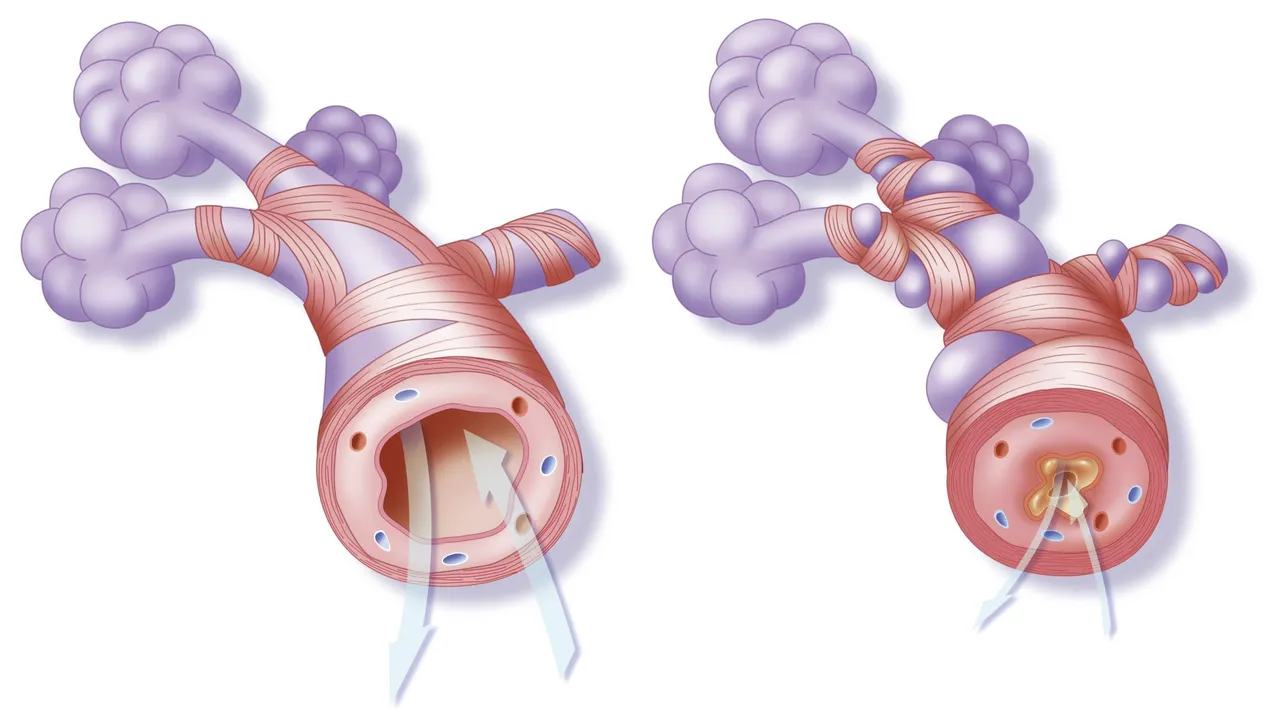
Understanding Asthma and Bronchospasm
Ladies and gents, let's have a chat! Ever caught in the middle of an intense game of frisbee when suddenly it feels like someone has offered your lungs a chokehold? Or perhaps you're enjoying the aroma of a lovely spring day, and then out of nowhere, the air seems cut off? You could be experiencing bronchospasm, a common symptom of the well-known respiratory condition, asthma. But don't get all jittery now; understanding the connection between asthma and bronchospasm is the first step towards effective management. And guess what? I’m here to guide you through this rather windy journey.
Asthma: An Overview
Asthma, my darlings, is like that upturned thumbtack on your living room rug. No one knows how it got there, or why, but you only notice it when it hurts. In the world of medical jargon, it's a chronic condition that inflames and narrows your airways, causing periods of wheezing, chest tightness, shortness of breath, and coughing. And yes, these flares often occur at the worst possible times like during a heartfelt rendition of 'Bohemian Rhapsody' at a karaoke night. Ouch!
Bronchospasm in a Nutshell
Moving to the dark horse of our discussion today — bronchospasm. It occurs when the muscular walls that surround your bronchial tubes tighten, causing them to narrow. Suddenly, that vast, airy hallway leading to your lungs shrinks down to the size of a straw. You can visualize how difficult the poor little air molecules must find just to get by. Kind of like trying to stream the new season of your favorite show on a slow internet connection. Yep, it’s frustrating!
The Asthma-Bronchospasm Connection
Now, let's get to the heart – or should I say lungs – of the matter. Asthma and bronchospasm are two peas in a pod. A somewhat wheezy, somewhat tight-chested pod. When you have asthma, your airways are always inflamed and highly sensitive to certain triggers. Anything from viral infections, allergies, to strong emotions or exercise can incite an asthma flare-up, and bang! Hello, bronchospasms!
Recognizing the Symptoms
How do you know a bronchospasm is elbowing its way in? There are a few tell-tale signs. They're like the unwanted guests at the party, gaining attention and turning heads with the clamor they cause. These include wheezing (a whistling sound when you breathe), chest tightness, or difficulty breathing. If you experience these, do get in touch with a healthcare provider. And remember, no one EVER said that your chest impersonating a cat trying to pass a hairball is normal, okay?
Managing the Problem
Finally, let's not forget that understanding the beast is the first step towards taming it. By identifying triggers, taking appropriate preventative measures, and having the right medications on hand, asthma and associated bronchospasms can be managed effectively. Yes, it may sound like a lot to take in, but hey, who said life was going to be a walk in the park? Well, actually, in your case, that might just be what the doctor ordered.
Alright, here's a small little bonus from my life. A few years back, during a family vacation to the mountains, my aunt suffered what we figured was an asthma attack. Being in a remote location, healthcare was miles away. But with the help of quick thinking and asthma relief medication, she could manage until we reached professional help. That incident clearly demonstrated the importance of being prepared, especially when you know you are susceptible to certain conditions.
So, lesson learned. Keep calm, keep informed, and don’t let asthma or bronchospasms stop you from living your best life. Now, go out there and breathe...responsibly.



Matt Webster
September 6, 2023 AT 09:46Learning to manage it changed everything. Now I carry my inhaler like a wallet. Always.
Stephen Wark
September 8, 2023 AT 08:09Daniel McKnight
September 8, 2023 AT 13:37But honestly? The real hero here is the person who remembers their meds. Not the fancy docs. Not the apps. Just the one who didn’t forget the blue thing in their pocket.
Jaylen Baker
September 10, 2023 AT 07:00Fiona Hoxhaj
September 12, 2023 AT 05:39Merlin Maria
September 12, 2023 AT 13:55Nagamani Thaviti
September 13, 2023 AT 21:19Kamal Virk
September 15, 2023 AT 14:12Elizabeth Grant
September 15, 2023 AT 17:16But here’s the thing-once you learn your triggers, it’s like learning a new dance. You don’t stop dancing. You just learn the steps better.
angie leblanc
September 17, 2023 AT 03:55LaMaya Edmonds
September 18, 2023 AT 22:28So yeah, breathe responsibly. But also demand better.
See Lo
September 20, 2023 AT 16:25Matt Webster
September 22, 2023 AT 02:43