
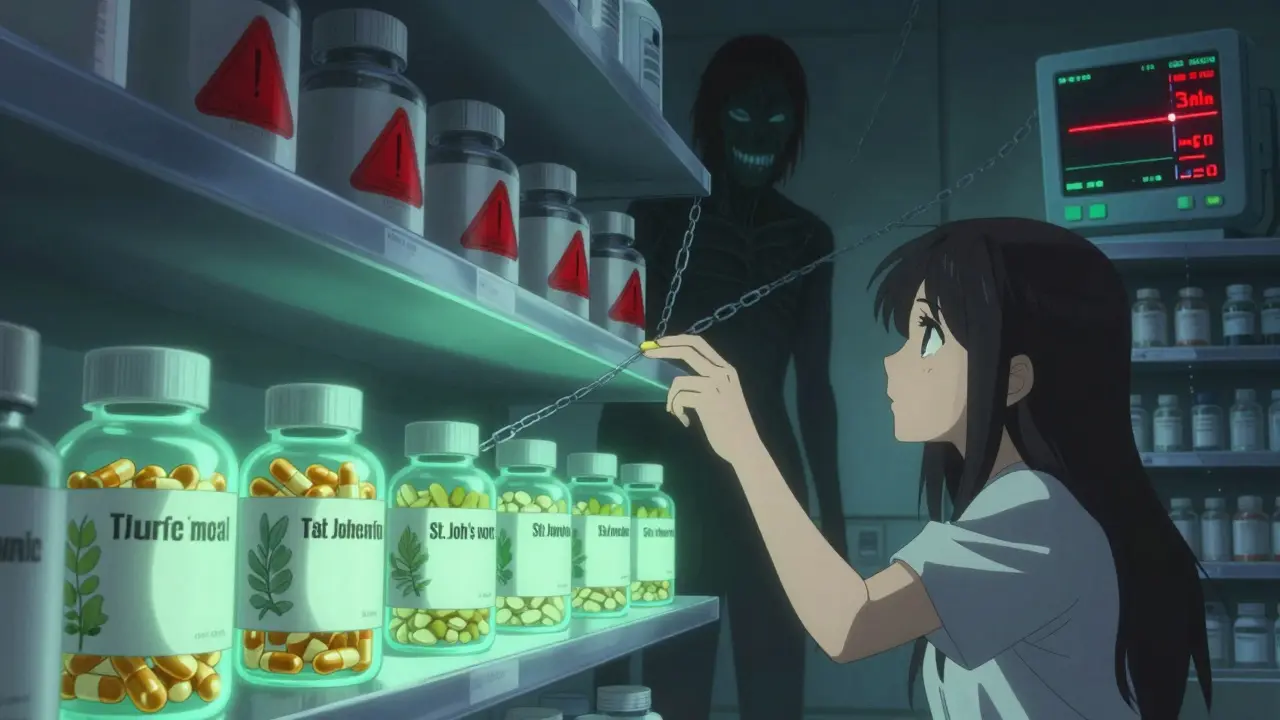
People often assume that if something is labeled "natural," it must be safe. You see it on shelves everywhere: turmeric capsules, echinacea tea, ginkgo tablets - all promising health benefits with no side effects. But here’s the truth: natural doesn’t mean harmless. In fact, some of the most dangerous drug interactions happen when people mix herbal supplements with prescription medications - often without even realizing it.
The Myth of "Natural = Safe"
The idea that nature is inherently better than science is deeply rooted. It’s comforting to believe that a plant-based remedy is gentler than a chemical pill. But plants don’t care about your health. They evolved to defend themselves - to poison insects, deter animals, or compete with other plants. Many of the strongest drugs we use today were originally derived from plants. Digitalis, used for heart conditions, comes from foxglove. Morphine comes from opium poppies. These aren’t "natural cures" - they’re concentrated, purified chemicals extracted from nature and carefully dosed for safety. When you buy a bottle of St. John’s wort at the grocery store, you’re not getting a mild herbal tea. You’re getting a potent substance that affects serotonin levels in your brain. It can reduce the effectiveness of birth control pills, antidepressants, blood thinners, and even some cancer drugs. Yet, most people take it thinking, "It’s just a herb. How bad could it be?"Regulation: A Huge Gap in Safety
Here’s the biggest reason why natural products are riskier than you think: they aren’t held to the same standards as pharmaceuticals. In the U.S., prescription drugs go through years of clinical trials. The FDA requires proof of safety, dosage accuracy, purity, and effectiveness before a drug hits the market. Manufacturers must document every step of production, and facilities are regularly inspected. If something goes wrong after release, the drug is tracked, studied, and sometimes pulled from shelves. Dietary supplements? Not even close. Under the Dietary Supplement Health and Education Act (DSHEA) of 1994, supplements are classified as food, not medicine. That means companies don’t need to prove their products work or are safe before selling them. They don’t have to test for interactions with other drugs. They don’t even need to report adverse events unless someone dies. A 2022 Consumer Reports survey found that 68% of supplement users believed the FDA tests these products before they’re sold. That’s not true. The FDA only steps in after harm is already done - and even then, enforcement is weak. In 2023, the FDA issued just 35 warning letters to supplement makers, despite thousands of potentially dangerous products on the market.Real-World Dangers: What Actually Goes Wrong
The risks aren’t theoretical. They show up in hospitals. Kava, once popular for anxiety, was linked to severe liver damage. The FDA issued warnings, and many countries banned it. Ephedra, used for weight loss and energy, caused heart attacks and strokes - leading to a full FDA ban in 2004. Ginkgo biloba, taken to improve memory, can increase bleeding risk when combined with aspirin or warfarin. One study of over 3,000 older adults found ginkgo did nothing to prevent dementia. And then there’s St. John’s wort. It’s sold as a "natural antidepressant," but it interferes with more than 50 medications. It can make birth control fail. It can stop chemotherapy drugs from working. It can trigger manic episodes in people with bipolar disorder. Yet, most people don’t know this - because the label doesn’t say it. Meanwhile, pharmaceuticals have well-documented side effects. Opioids cause addiction. Statins can damage muscles. Antibiotics can wreck your gut. But here’s the difference: when a drug causes harm, it’s recorded, studied, and communicated to doctors and patients. The warnings are clear. The dosing is precise. The risks are known.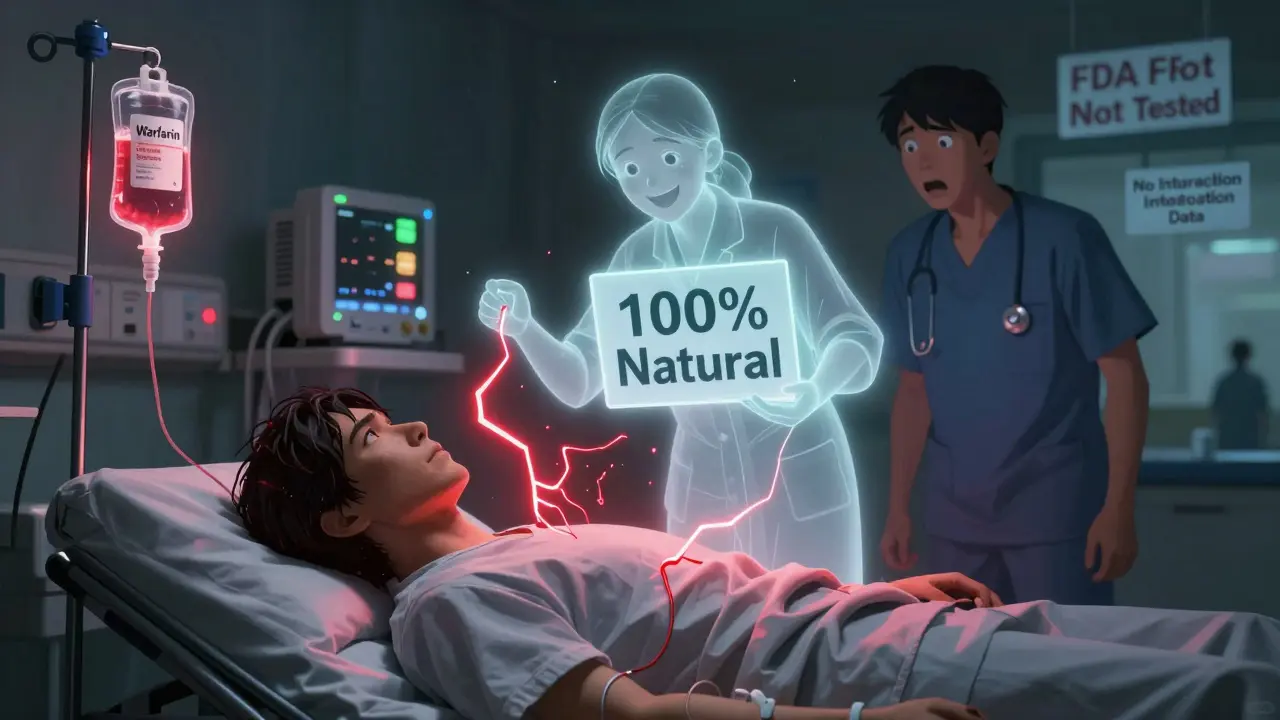
Why People Don’t Tell Their Doctors
One of the most dangerous habits? Not telling your doctor you’re taking supplements. A 2022 study in JAMA Internal Medicine found that 70% of patients never mention their herbal or vitamin use to their physicians. Why? Many think it’s not "real medicine." Others fear being judged. Some just assume it’s harmless. But here’s what happens when that silence meets reality: - A woman on blood thinners starts taking garlic supplements to lower cholesterol. Two weeks later, she ends up in the ER with internal bleeding. - A man on thyroid medication takes kelp tablets for "natural iodine." His hormone levels go haywire, causing heart palpitations and weight loss. - A teenager on antidepressants begins using 5-HTP to feel happier. Within days, she develops serotonin syndrome - a life-threatening condition. These aren’t rare cases. They’re preventable.Quality Control: You Don’t Know What You’re Getting
Even if a supplement doesn’t interact with your meds, it might not even contain what’s on the label. A 2020 study by the New York Attorney General’s office tested 12 herbal supplements sold in major stores. Four of them contained no trace of the advertised herb. Instead, they were filled with rice, soy, or wheat. Another study found that some turmeric supplements contained lead. Some melatonin pills had up to 470% more melatonin than stated. Pharmaceuticals? The active ingredient in your pill is guaranteed to be within 1% of the labeled dose. Supplements? There’s no such guarantee. Only about 15% of supplement brands carry the USP Verified Mark - a third-party seal that confirms purity, potency, and manufacturing standards. The rest? You’re gambling.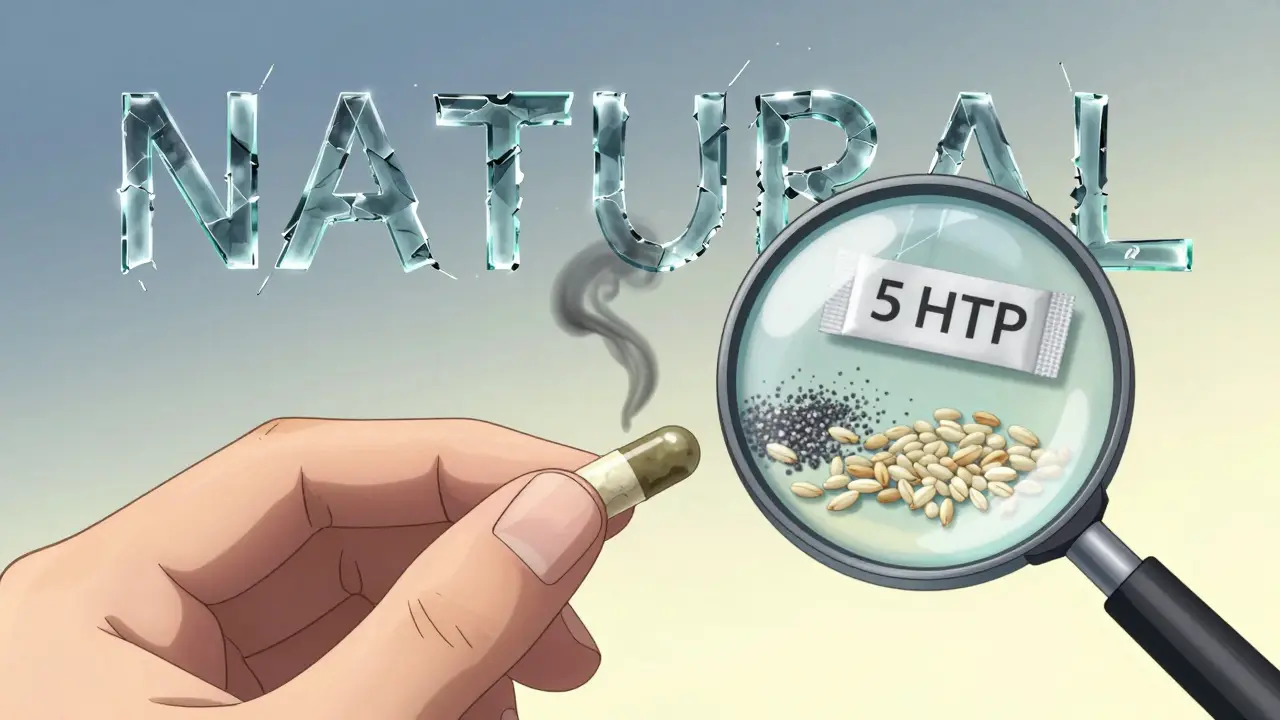
What You Can Do to Stay Safe
You don’t have to give up natural products. But you do need to treat them like medicine - because that’s what they are.- Always tell your doctor and pharmacist what supplements you take - even if you think they’re "just vitamins."
- Check for interactions using reliable sources like the NIH Office of Dietary Supplements or Mayo Clinic’s website. Don’t rely on Amazon reviews.
- Look for the USP Verified Mark on the bottle. It’s not perfect, but it’s the best indicator of quality.
- Avoid products with "proprietary blends" - these hide ingredient amounts. You can’t assess safety if you don’t know how much you’re taking.
- Stop taking supplements before surgery. Many increase bleeding risk. Your surgeon needs to know.
- Don’t assume more is better. High doses of vitamin A, D, E, or K can be toxic. Even natural vitamins have limits.

Annette Robinson
January 9, 2026 AT 09:34I’ve seen so many friends get burned by supplements they thought were "harmless." One lady took St. John’s wort for anxiety and didn’t tell her doctor she was on birth control-ended up pregnant and terrified. It’s not about being anti-natural, it’s about being informed. Your body doesn’t care if it’s a plant or a pill-it just reacts.
Always tell your provider. Even if they roll their eyes. Better safe than sorry.
Luke Crump
January 10, 2026 AT 08:49Oh wow, another capitalist fear-mongering piece disguised as public health. You know what’s more dangerous? The pharmaceutical industry that profits off your fear of plants while selling you pills that make you numb to life. Foxglove? Morphine? Yeah, those were stolen from indigenous knowledge and patented by white men in labs. You call it science. I call it colonial extraction wrapped in a white coat.
Meanwhile, millions in the Global South use herbs safely for generations-no FDA needed. Your fear isn’t about safety. It’s about control.
Manish Kumar
January 11, 2026 AT 18:43Let me tell you something, my friend, the idea that nature is dangerous is a myth perpetuated by Western pharmaceutical monopolies who cannot compete with the low-cost, high-efficiency herbal systems that have been used in Ayurveda, Traditional Chinese Medicine, and Unani for over five thousand years. The FDA does not regulate supplements? True. But do you know how many people die from statins every year? Thousands. And yet no one screams about it. Why? Because Big Pharma owns the media, the doctors, the research funding. You think ginkgo is risky? Try stopping your blood thinner cold turkey after your cardiologist told you it was fine for years. That’s the real danger-the blind trust in pills that have been tested on rats and then sold to humans without long-term data. Natural doesn’t mean unscientific. It means ancient, tested by time, and ignored because it can’t be patented.
And yes, I’ve taken ashwagandha with my hypertension meds for seven years. No liver damage. No serotonin syndrome. Just better sleep and less anxiety. Your fear is not my reality.
Prakash Sharma
January 12, 2026 AT 18:55Westerners always think they know better. We’ve been using turmeric, neem, and ashwagandha since before your ancestors were scratching in caves. Now you want to ban it because some guy in Ohio took 10 capsules and got dizzy? That’s not the herb’s fault-that’s stupidity. Your FDA is a joke. They regulate aspirin like it’s nuclear waste but let Big Pharma sell opioids like candy. Meanwhile, in India, grandma brews ginger tea for colds and no one dies. Stop projecting your chaos onto our traditions. Natural isn’t dangerous. Your greed is.
Donny Airlangga
January 14, 2026 AT 15:09My mom took kava for anxiety after my dad passed. She didn’t know it could hurt her liver. She didn’t even know she was supposed to tell her doctor. She just thought, ‘It’s herbal, so it’s fine.’ She ended up in the hospital with jaundice. It scared the hell out of me.
I’m not anti-supplement. I take magnesium and vitamin D. But I check every single one with my pharmacist. If you’re going to change how your body works, treat it like medicine. Because it is.
Kristina Felixita
January 16, 2026 AT 04:15OMG YES. I just started taking melatonin because I’m always tired, and I didn’t realize the bottle had 10mg?! I woke up at 3am feeling like I’d been hit by a truck. And then I found out some brands have lead?! I’m so done. I only buy USP now. Also, I told my therapist about my turmeric pills and she was like, ‘Oh, that’s fine, but tell your rheumatologist too.’ I didn’t even think to! I’m learning!!
Also, why do all supplement labels say ‘proprietary blend’? That’s just a fancy way of saying ‘we don’t want you to know what’s in here.’ Gross.
Joanna Brancewicz
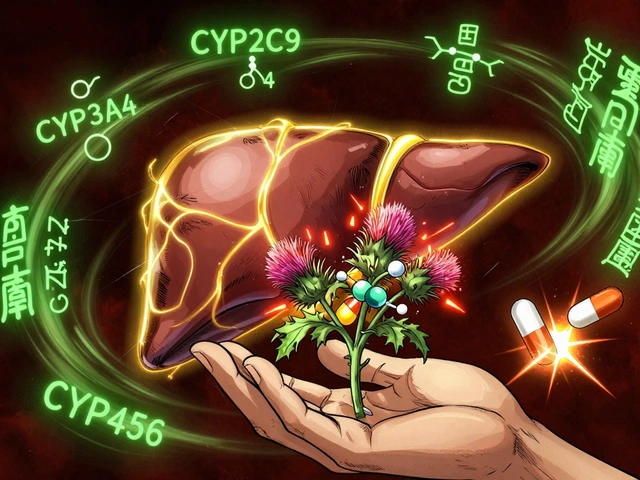
January 16, 2026 AT 04:44Pharmacokinetic interactions. CYP450 modulation. Lack of bioavailability standardization. These are the real issues. Natural products are not inert. They’re bioactive compounds with unregulated pharmacodynamics. Your assumption of safety is a cognitive bias: the naturalistic fallacy. Evidence-based practice requires dose consistency, purity, and interaction profiling-none of which supplements reliably provide. The FDA’s post-market surveillance is inadequate, but the burden of proof should not fall on the consumer. Educate yourself. Or don’t. But don’t pretend ignorance is a virtue.
Lois Li
January 16, 2026 AT 21:55I get why people turn to supplements. Life is stressful. Doctors are rushed. Insurance is a nightmare. I used to take ginkgo because I thought it would help my memory after working 80-hour weeks. Turns out, it didn’t do anything. But I kept taking it because I felt like I was doing something proactive.
What changed for me? My pharmacist sat down with me and asked, ‘What are you taking?’ I didn’t even think to list it. We went through everything. Turned out I was doubling up on vitamin D from my multivitamin and my separate pill. I had borderline toxicity.
It’s not about fear. It’s about awareness. We’re all trying to take care of ourselves. Let’s just do it together-with honesty and a little humility.
christy lianto
January 18, 2026 AT 16:35Listen. I used to think natural = safe too. Then my cousin had a heart attack after taking ephedra for weight loss. He was 28. He had no idea it was banned. The label said ‘energy booster.’ That’s it.
Now I run a wellness group. We talk about supplements like they’re prescriptions. We check interactions. We ask for USP. We share stories. Not to scare people. To empower them. You can use herbs. Just don’t treat them like candy. Your body is not a lab experiment. It’s your life.
Ken Porter
January 18, 2026 AT 20:32So let me get this straight. You’re saying we should trust a plant that evolved to poison bugs over a pill that went through 12 years of trials? Yeah, I’ll take the lab-made drug. Thanks.